
Baking Savings: 9 Tips for Spending Less on Homemade Treats
TDS Money-Saving Strategist: Andrea Norris-McKnight | posted March 2026

Baking at home should save money, not quietly drain your grocery budget. The ingredients are usually simple, but small choices—where you shop, what you substitute and how you bake—can make a real difference over time.
Here’s how to keep home-baked goods affordable.
1. Buy Baking Staples When Prices Dip
Flour, sugar, baking powder, baking soda, yeast and oats go on sale regularly. Holiday baking seasons often bring the best prices, but sales pop up year-round. Buying an extra bag or two when prices are low costs less than paying full price later.
Store dry goods in airtight containers — and pop them in the freezer if you have the space — so they last longer and don’t attract pests.
2. Use Bulk Buying Selectively
Bulk buying works best for ingredients you use often. Flour, oats, sugar and chocolate chips usually cost less per pound when purchased in larger packages or from bulk bins. Skip bulk items you bake with only once or twice a year.
If the package size feels excessive, split it with a friend or family member.
3. Make Simple Ingredient Swaps
Some of the most expensive baking ingredients are also the easiest to replace.
- Buttermilk: Add one tablespoon of vinegar or lemon juice to a cup of milk.
- Cake flour: Use all-purpose flour with a little cornstarch.
- Brown sugar: Mix white sugar with a small amount of molasses.
These swaps work well for everyday baking and save a trip to the store.
4. Go Easy on Costly Add-Ins
Nuts, chocolate, dried fruit and spices can double the cost of a recipe. Use smaller amounts or stretch them with cheaper ingredients. A handful of nuts mixed into oats still adds texture and flavor without the full price tag.
For spices, check store brands, ethnic grocery stores or bulk bins before buying small jars at premium prices.
Want MORE TIPS for Stretching Your Budget?
Get the free eBook with 226 simple money-saving tips — plus the Dollar Stretcher newsletter with practical, real-life ways to make a tight budget go further.
We value your privacy.
Unsubscribe anytime.
5. Bake More Than One Thing at a Time
Ovens are expensive to run. When you preheat, make it count.
Bake multiple trays at once or plan two items back-to-back. First bake up some cookies, then pop in a quick bread while the oven is already hot. This lowers energy costs and saves time — you’ll only have to clean up the kitchen once for multiple baked goods.
6. Freeze Extras Instead of Baking Again
Instead of baking small batches of the same recipe repeatedly, make a double batch and freeze half. Most cookies, muffins, rolls and quick breads freeze well.
Having baked goods on hand cuts down on impulse store runs when you want a sweet treat — those “just one thing” trips add up fast.
Time vs. savings: When it comes to baking, think in batches rather than single recipes. The hands-on time barely changes, but the savings multiply.
What Baking at Home Replaces in Your Budget
When baking is planned and used consistently, it can take the place of:
- Packaged snacks and cookies
- Bakery muffins and breakfast pastries
- Refrigerated biscuit and roll tubes
- Dessert mixes and convenience treats
- Last-minute “pick up something sweet” store trips
Why it works: You’re not just baking—you’re reducing higher-cost convenience foods and impulse “sweet treat” purchases.
7. Turn “Past-Its-Prime” Food Into Baked Goods
Baking is one of the easiest ways to reduce food waste.
- Overripe bananas become banana bread.
- Stale bread turns into bread pudding or croutons.
- Extra oatmeal becomes cookies or snack bars.
Using food you already paid for is one of the biggest money-savers there is.
About The Dollar Stretcher
The Dollar Stretcher shares practical ways to lower everyday costs, build steadier money habits and move from stuck to stable on a tight budget.
Learn more about how we can help you.

Get All 226 Money-Saving Tips—Free Download
You’ll also get our free newsletter each week. It’s full of useful ways to cut costs and stretch your dollars.
8. Stick With Simple Recipes
The more ingredients a recipe uses, the more it costs. Basic cookies, muffins and quick breads rely on pantry staples and still taste great.
Save the fancy desserts for special occasions. Outside of dietary restrictions, everyday baking doesn’t need pricey specialty flours, extracts or decorative toppings.
Since I cook and bake frequently, I was buying a lot of cooking spray, especially the kind with flour in it, because it was so convenient. Finally, I decided to save some money and make my own. I mix 1/2 cup of shortening, 1/2 cup of flour, and one tablespoon of vegetable oil. I mix it up and keep it in an old butter tub in the fridge. I use a crumpled-up paper towel to spread it on my pans.
Darlene
9. Skip Store-Bought Baking Mixes
Pre-made mixes cost more than the ingredients inside them. Pancake, muffin, brownie and biscuit mixes are easy to make in bulk at home.
Mix the dry ingredients ahead of time and store them in jars or bags. When you’re ready to bake, add the wet ingredients and go.
I use a few tricks to reduce our grocery budget in the “baked goods” category. First, when I make a batch of cookies, I make smaller cookies than I used to. My kids don’t notice the difference, and I have to bake fewer batches. I also have been doing the same with cupcakes. I have only been making mini cupcakes. Of course, my family notices the smaller cupcakes, but they don’t seem to mind since it helps us save money.
Rose
Best High-Value Items to Bake at Home
These are the baked goods that usually cost far more at the store than they do to make yourself—and freeze well, which makes the savings stick.
- Muffins: A fraction of the bakery price and easy to make from pantry staples. Bake once, freeze and use for quick breakfasts.
- Quick breads (banana, pumpkin, zucchini): Perfect for using up food that might otherwise go to waste.
- Cookies: Easy to bake and can help keep snack costs down. Homemade dough can be portioned and baked as needed.
- Pizza dough: One of the biggest convenience-food markups. Make extra and freeze in portions.
- Breakfast biscuits or scones: Much cheaper than buying ready-made and useful for grab-and-go mornings.
- Dinner rolls or sandwich buns: Replace higher-cost packaged bread products for special meals or weekly use.
Cost Comparison: Why These Items Are Worth Baking
Bakery muffin: often the price of a whole batch made at home
Homemade muffin: pantry staples + one oven session = breakfast for several days
Tube biscuits or refrigerated rolls: convenience price for a few servings
Homemade biscuits or rolls: similar ingredients, double the quantity, freeze the extra
Bakery cookies: priced per cookie
Homemade cookies: priced per batch — and the dough can be frozen and baked a few at a time
Takeout or delivery pizza: one meal
Homemade pizza: multiple meals from the same amount of dough and toppings
Why this works: You’re replacing the most marked-up convenience and bakery items with foods made from low-cost staples you already use.
If money is extremely tight: Focus on muffins, biscuits and pizza dough first — they give the biggest savings for the lowest ingredient cost.
Budget Level Savings: Where To Start With Budget Baking
No need to tackle every tip at once. Start with the tips best suited for your budget.
If money is stretched and savings need to be meaningful:
Bake only when you already have the ingredients on hand or can use them for multiple recipes. Focus on low-cost basics like quick breads, muffins and simple cookies. Skip nuts, chocolate and specialty items. Bake double batches and freeze so you’re not turning on the oven often.
If you’re cutting back but still have some flexibility:
Stock up on core baking staples when they’re on sale and keep a short list of flexible recipes you make regularly. Use simple substitutions instead of buying one-use ingredients. Combine multiple items in one oven session to lower energy costs.
If you just want small, easy wins:
Build a small, well-used baking pantry so you can bake without last-minute shopping. Buy high-cost ingredients only at their lowest prices and store them properly. Use your freezer to bake ahead and replace more expensive store-bought convenience foods.
TDS Takeaway
Baking at home can be a real budget win, but only if you treat it like one. Buy smart, use what you have and keep things simple. The results taste just as good—and cost a lot less.
Time vs. savings: If your time is tight, start with items you already make often—those give the fastest return.
Did this article help you save or stretch a few dollars or plug a financial leak? The Dollar Stretcher can help you make your dollars go even further.
Join the free Dollar Stretcher newsletter to get money-saving tips and articles delivered to your inbox each week, plus a copy of the 226 money-saving tips eBook — a reference you can use whenever money feels tight.
About the Author
Andrea Norris-McKnight is the Money-Saving Strategist behind The Dollar Stretcher.
She helps people on tight budgets cut everyday costs, build steadier money habits and create a little breathing room—without guilt, gimmicks, or unrealistic advice.
More Ways To Save
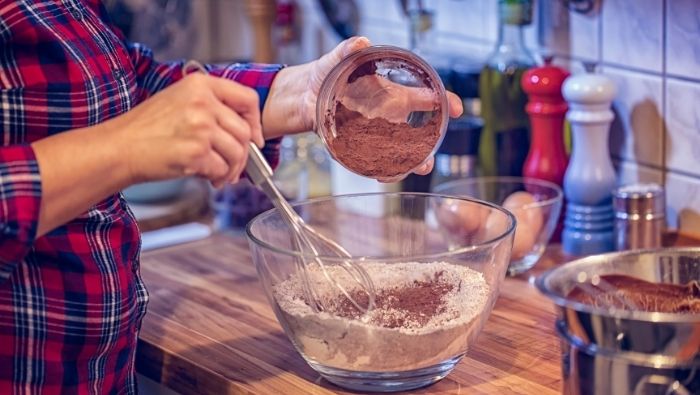
Mix Up Your Own Homemade Chocolate Mixes on the Cheap
Love chocolate? And saving money?
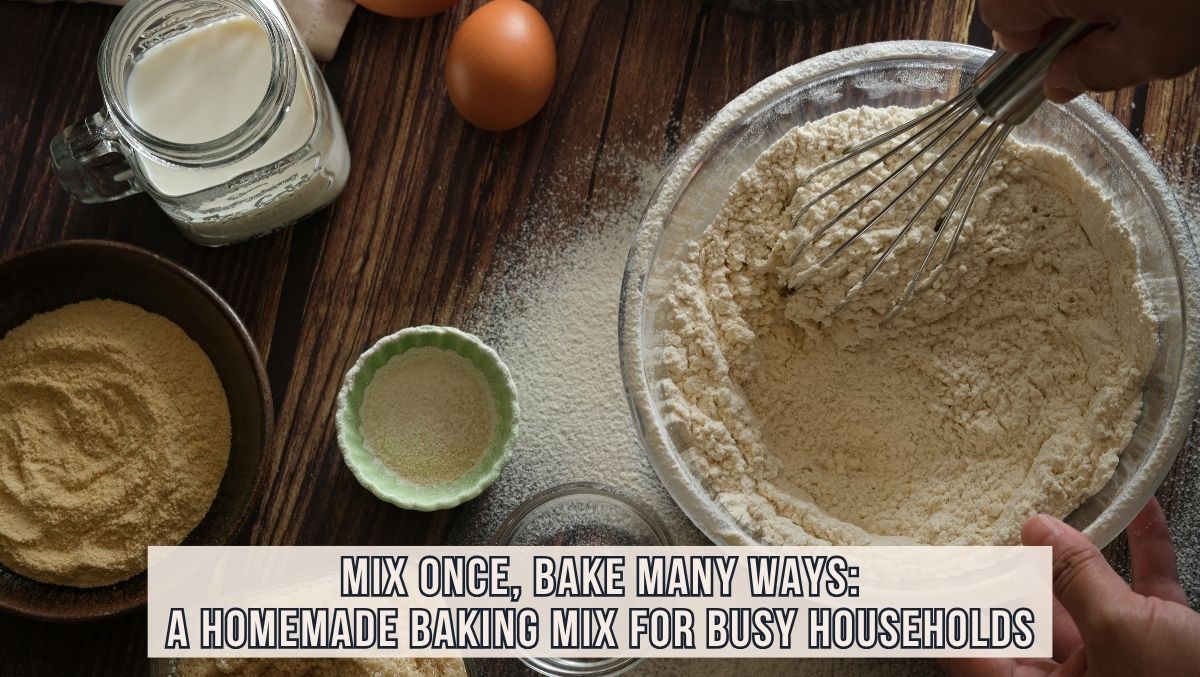
Mix Once, Bake Many Ways: A Homemade Baking Mix for Busy Households
These two make-ahead baking mixes let you mix once and bake often.
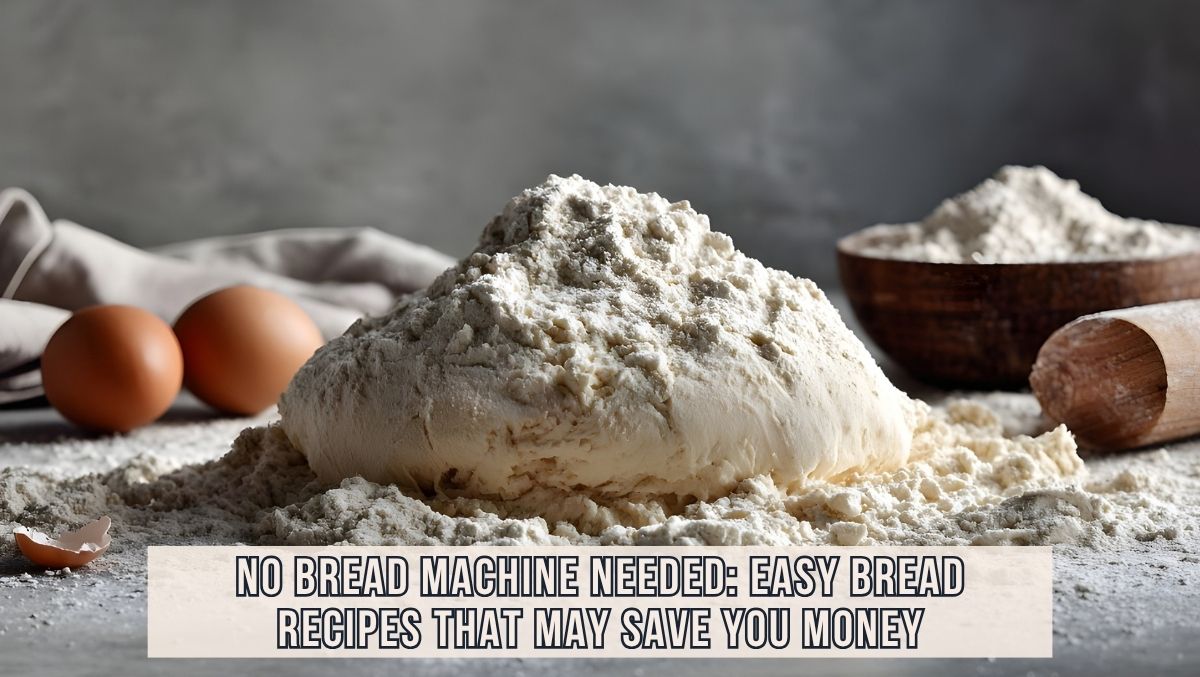
No Bread Machine Needed: 4 Easy Bread Recipes That May Save You Money
You don’t need a bread machine or complicated bread-making skills to make some of the breads your family buys.

Make It or Buy It? 15 Pantry Staples Worth Comparing
Here’s how to decide which convenience foods are worth making yourself and which may be better buys at the store.
About The Dollar Stretcher
The Dollar Stretcher shares practical ways to lower everyday costs, build steadier money habits and move from stuck to stable on a tight budget.
Learn more about how we can help you.