
Energy-Saving Myths That May Not Lower Your Bills
This quick read explores common ways to save energy that may not be worth your time, so you can stop chasing tiny savings and focus on the changes that make a real difference.
TDS Money-Saving Strategist: Andrea Norris-McKnight | posted March 2026

Think you’re cutting your electric bill? Some popular energy-saving habits might not be as effective as you think, and a few could even end up costing you more.
Many energy tips get repeated because they seem like good advice. While some were helpful in the past, others only make a small difference. A few might even waste your time or money.
Let’s take a look at some popular “savings” strategies that often don’t give the results you expect (or the results you may have gotten a few decades ago).
Editor’s note: Keep in mind that money-saving tips are never one-size-fits-all. A money-saving task that suits one household may be a waste of time for another.
1. Line-Drying Clothes To Cut Energy Costs
Line-drying typically only saves a significant amount of energy if you don’t have an energy-efficient (ENERGY STAR) dryer — and if it replaces the majority of your dryer loads. And it doesn’t create other costs.
Where it falls apart: If you rely on the dryer for most loads, the savings from line-drying are minimal.
Additionally, “line-drying” clothes indoors can increase humidity, which may cause your air conditioner or dehumidifier to work harder (and use more energy).
Extra wear, wrinkles, and longer drying times often mean more ironing—another energy user.
Reality: If your dryer is an energy hog, line-drying can save money when it replaces most of your dryer use. And it can make sense indoors during cold months, when your damp clothes can add moisture to your home’s dry winter air. Otherwise, the savings may be minimal. Make sure line-drying is worth the extra time it takes to hang and possibly iron clothing. Shaving $10 to $15 a month off of your electric bill might not be worth the extra hour or two line-drying can take if you have a very busy schedule.
If you decide to line-dry, choose it because of the other benefits of line-drying clothing, rather than just to lower your electric bill.
2. Unplugging Phone Chargers When Not in Use
This one won’t move the needle much.
Most modern chargers draw very little power when nothing is connected—often pennies per year.
Reality: As for saving money, focus on bigger energy users instead. However, daily unplugging may extend the life of your charges and possibly reduce the risk of fire, according to some experts.
3. Turning the HVAC System Completely Off During the Day
Turning off your system may seem like a good idea, but it can backfire, depending on where you live.
What happens:
- Your house heats up or cools down too much.
- The system has to work harder (and longer) to get your home back to a comfortable temperature once you turn the system back on.
- In extreme heat or cold, that recovery can cost more than steady moderation.
Reality: During extreme-temperature seasons, set the thermostat back a few degrees instead of turning it off.
Want MORE TIPS for Stretching Your Budget?
Get the free eBook with 226 simple money-saving tips — plus the Dollar Stretcher newsletter with practical, real-life ways to make a tight budget go further.
We value your privacy.
Unsubscribe anytime.
4. Using Space Heaters To “Save” on Heating
Space heaters can seem like a budget-friendly option since they heat just one room. However, they can actually be one of the pricier ways to stay warm.
Here’s why: They use a significant amount of electricity.
Running multiple heaters can cost more than central heat. People often leave them on longer than planned.
Reality: It’s usually best to think of space heaters as a great solution for short-term heating rather than a main heating source.
5. Replacing Every CFL With an LED and Expecting Big Savings
LEDs are more efficient than CFLs—but most of us already captured the major lighting savings years ago when incandescent bulbs disappeared and we switched to CFLs. That means the jump from CFL → LED is a much smaller money saver than the earlier incandescent → CFL change.
If you:
- Replace working CFLs throughout the house
- Swap bulbs in closets, hallways or spare rooms
- Throw away bulbs that still have plenty of life left
…the payback can be so slow that you don’t come out ahead for a long time.
Reality: Focus on using LEDs in the fixtures you use the most as your CFLs burn out. The real win is avoiding the cost of replacing bulbs that are still working, not rushing to change everything at once.
6. Turning Off Lights Obsessively (While Ignoring Big Appliances)
Flipping off lights matters less than people think—especially compared to appliances that run for hours. Sure, it’s a great habit to turn off the lights as you leave a room, but don’t give it a second thought if someone in your household sometimes forgets.
Instead, focus on what often gets overlooked:
- Old refrigerators or freezers
- Second fridges in garages
- Electric water heaters
- Inefficient HVAC systems
Reality: One inefficient appliance can wipe out months of light-switch vigilance.
About The Dollar Stretcher
The Dollar Stretcher shares practical ways to lower everyday costs, build steadier money habits and move from stuck to stable on a tight budget.
Learn more about how we can help you.
Get All 226 Money-Saving Tips—Free Download
You’ll also get our free newsletter each week. It’s full of useful ways to cut costs and stretch your dollars.
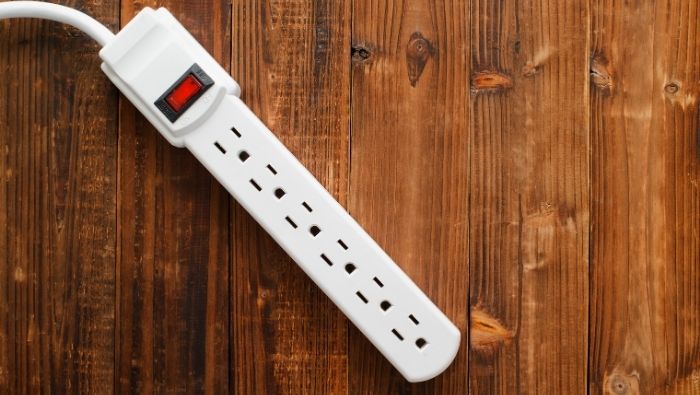
7. Relying on Power Strips Alone To Cut “Phantom” Energy
Smart power strips can help cut energy costs—but only if they’re used correctly.
Common mistakes:
- Plugging in devices that already draw very little standby power
- Forgetting to actually turn the strip off
- Using them where convenience matters more than savings
Reality: Power strips are fine, but the savings are modest unless you’re cutting standby power from TVs, game consoles or home office gear used daily (especially older stuff that isn’t so energy-efficient).
TDS Takeaway: What Does Usually Save Energy (and Money)
If you want results you can see on your electric bill:
- Adjust thermostat settings gradually
- Seal air leaks and improve insulation
- Maintain HVAC equipment
- Replace or retire energy-hungry appliances
- Shift usage (laundry, dishes) to off-peak hours if your utility offers time-of-use rates
Energy savings work best when they’re boring, consistent, and aimed at the biggest users—not the smallest habits.
Did this article help you save or stretch a few dollars or plug a financial leak? The Dollar Stretcher can help you make your dollars go even further.
Join the free Dollar Stretcher newsletter to get money-saving tips and articles delivered to your inbox each week, plus a copy of the 226 money-saving tips eBook — a reference you can use whenever money feels tight.
About the Author
Andrea Norris-McKnight is the Money-Saving Strategist behind The Dollar Stretcher.
She helps people on tight budgets cut everyday costs, build steadier money habits and create a little breathing room—without guilt, gimmicks, or unrealistic advice.
More Ways To Save

226 Simple Money-Saving Ideas for a Tight Budget
A practical list you can skim for inspiration and return to whenever money feels tight.

Practical Ways To Cut the High Cost of Hot Water
12 Energy-Saving Tips for Your Apartment
32 Ways To Save Money on Your Utility Bills
Are utility bills sinking your finances? Try a handful of these tips to lower your electric and water bills instead.
About The Dollar Stretcher
The Dollar Stretcher shares practical ways to lower everyday costs, build steadier money habits and move from stuck to stable on a tight budget.
Learn more about how we can help you.