
The Bathroom Money Traps That Quietly Drain Your Budget
TDS Money-Saving Strategist: Andrea Norris-McKnight | posted March 2026

The bathroom doesn’t look like a high-spending zone. There are no big appliances. No weekly grocery runs. No obvious splurges.
And yet, this small room quietly runs up your water bill, your electric bill and your household spending — month after month.
Here’s where the money slips away and what to change if you want real, steady savings.
Excessive Water Usage
Long showers and a constantly running faucet show up on your utility bill fast.
Dollar-stretching fixes:
- Cut just 2–3 minutes off each shower
- Turn off the water while shaving or brushing teeth
- Run the bath only partway if you don’t need a full soak
Those small habit shifts reduce both water and water-heating costs, where the real savings lie.
Inefficient Bathroom Fixtures
Older showerheads and toilets use far more water than newer models.
You don’t have to remodel the bathroom to save here.
Low-cost upgrades with long-term payoffs:
- Install a WaterSense showerhead
- Add a faucet aerator
- Replace an old toilet with a dual-flush model (this upgrade might be out of reach for tighter budgets)
These are relatively inexpensive changes that keep saving every single day.
Are You Flushing Money?
An older toilet could be quietly adding to your water bill every month. Many older models use 3.5 gallons per flush or more (some as high as 7 gallons), whereas newer dual-flush toilets can use up to 67% less water, according to The Family Handyman.
With water costing roughly $2 to $3 per 1,000 gallons (depending on where you live), and the average person using about 20 gallons per day just from flushing, that extra water use can add up over time. Switching to a more efficient toilet may not seem like a big change, but the ongoing savings can make a noticeable difference.
Overstocking Products
Clearance shampoo. A stockpile of body wash. Five open tubes of toothpaste.
Buying ahead only saves money if you use what you buy.
A better system?
- Keep one or two backups, not five
- Finish one product before opening another
- Store extras where you can see them, or better, keep a bathroom inventory
Hidden products get forgotten — and replaced.
I keep a small calendar in a bathroom drawer. I write down when I replace toothbrushes, start a new bottle of shampoo, open a new deodorant, etc., so I have a good idea of when we’ll need more of something. Then I can watch for sales, so I never have to pay full price for toiletries. This also keeps me from going overboard with a sale and buying two years’ worth of conditioner at once (yes, I speak from experience on that one!). I also note health items like when I get a cold, start or change a medicine or replace my contacts.
Carmen
If you find this tip useful, find out how to get 785 money-saving tips from our budget-savvy readers for getting more from a tight budget.
Overusing Products
Most people use two to three times as much as they actually need.
Overuse shortens the life of:
- Shampoo
- Conditioner
- Toothpaste
- Lotion
- Cleaners
Try this once: use half your usual amount. You’ll probably get the same results and double the product’s lifespan. For more overuse savings, see Are You Using Too Much?
Also, see how a few cheap tools can help you get your money’s worth from your products.
Want MORE TIPS for Stretching Your Budget?
Get the free eBook with 226 simple money-saving tips — plus the Dollar Stretcher newsletter with practical, real-life ways to make a tight budget go further.
We value your privacy.
Unsubscribe anytime.
Expensive Beauty Products
High price doesn’t always mean better performance.
Many drugstore options are made by the same manufacturers as prestige brands.
Where to save without sacrificing results:
- Everyday cleansers and moisturizers
- Body care
- Basic hair care
Save the splurge for the one item that truly makes a difference for you — not the entire routine.
Also, find out how to extend the shelf life of the beauty products you buy.
About The Dollar Stretcher
The Dollar Stretcher shares practical ways to lower everyday costs, build steadier money habits and move from stuck to stable on a tight budget.
Learn more about how we can help you.

Get All 226 Money-Saving Tips—Free Download
You’ll also get our free newsletter each week. It’s full of useful ways to cut costs and stretch your dollars.
Single-Use Products
Disposable items create permanent spending.
Common repeat purchases:
- Makeup wipes
- Disposable razors
- Cotton rounds
- Cleaning wipes
Reusable swaps that pay off quickly:
- Washable makeup remover cloths
- Safety or refillable razors
- Reusable cleaning cloths
You buy them once and stop rebuying forever.
Instead of buying cotton squares for removing eye makeup, I use the soft microfiber cloths that come free with eyeglasses or sunglasses. I can use one for a few days and then toss it in the wash with the towels. These cloths are soft enough for the eye area and indestructible, as I’ve put them through the wash several dozen times.
Annette
Inefficient Heating and Ventilation
A weak bathroom fan leads to moisture.
Moisture leads to mildew.
Mildew leads to repairs and repainting.
Run the fan during showers and for a few minutes after. It protects:
- Paint
- Caulk
- Fixtures
- Cabinets
That’s prevention — the most frugal kind of home maintenance.
One of our bathrooms has no exhaust fan and only a tiny window that offers little ventilation. We bought a small but powerful table fan and run it after each shower to ventilate the bathroom and dry our stall shower quickly. Since we started doing this, we have not had any issues with mildew or mold forming in the shower.
Andrea
Poor Bathroom Maintenance
Small problems turn into expensive ones when ignored.
Watch for:
- Running toilets
- Dripping faucets
- Cracked caulk
- Slow leaks under the sink
These are low-cost fixes early and high-cost repairs later.
Store a scrub bucket under your bathroom and kitchen sink drain traps. In many cases, water leaks from the drain, and even the supply plumbing will naturally drip from the bottom of the trap. When you go to use the bucket for cleaning, the presence of water in it will alert you to the leak. This will allow you to fix any leaks before the water can cause costly damage.
JH
Pricey Cleaning Products
You don’t need a different bottle of cleaner for every surface.
A simple, low-cost DIY cleaning kit can handle most jobs:
- Vinegar for glass and mineral buildup
- A dish soap mix for general cleaning
- Baking soda for scrubbing
Keep a bathroom disinfectant on hand to clean the toilet and sink handles (the germiest places), and use homemade cleaners for everything else.
Fewer products. Lower cost. Less clutter under the sink.
These homemade cleanser recipes can help keep cleaning costs in check.
Thick, Heavy Towels
Plush towels feel luxurious — but they:
- Take up more room in the washer, possibly increasing the number of laundry loads
- Take longer to dry, using more energy
- Stay damp longer between uses, which could require more frequent washing
Lightweight towels dry faster, stay fresher, and you can fit more per load in the washer.
That’s an ongoing utility savings.
Budget Level Savings: Where To Start in Your Bathroom
No need to tackle every tip at once. Start with the tips best suited for your budget.

Start Here First if Money Is Tight:
Focus on changes that cost nothing but save right away:
- Cut shower time by a few minutes
- Use half the amount of shampoo, toothpaste and cleaners
- Turn off the faucet while brushing teeth or shaving
- Fix obvious leaks (running toilet, dripping faucet)
- Stop opening new products before finishing old ones
Why this works: These are habit changes that lower your bills immediately without spending a dime.

Small Spending, Steady Savings:
Make a few low-cost swaps that keep saving over time:
- Install a low-flow showerhead or faucet aerator
- Switch to reusable items (cloths, razors, makeup removers)
- Replace expensive beauty products with lower-cost alternatives
- Simplify cleaning supplies to a few multi-use basics
Why this works: A small upfront cost leads to repeat savings every month.

Bigger Upgrades, Long-Term Payoff:
Invest a little more to reduce ongoing costs:
- Upgrade to a water-efficient toilet or adjust your current one
- Improve bathroom ventilation to prevent moisture damage
- Replace thick towels with quick-drying options
Why this works: These changes reduce utility costs and help prevent expensive repairs later.
Quick Win Tip: If you pick only one place to start, reduce water and product use. Those two changes alone can lower both your utility bills and your household spending almost immediately.
TDS Takeaway: The Real Dollar Stretcher Strategy
You don’t need a bathroom makeover to spend less.
Focus on:
- Using less
- Buying less
- Making small efficiency upgrades
- Preventing repairs
The bathroom is a perfect example of how tiny daily habits add up to long-term savings.
Fix these quiet leaks in your budget, and you’ll lower your monthly costs without feeling deprived.
Did this article help you save or stretch a few dollars or plug a financial leak? The Dollar Stretcher can help you make your dollars go even further.
Join the free Dollar Stretcher newsletter to get money-saving tips and articles delivered to your inbox each week, plus a copy of the 226 money-saving tips eBook — a reference you can use whenever money feels tight.
About the Author
Andrea Norris-McKnight is the Money-Saving Strategist behind The Dollar Stretcher.
She helps people on tight budgets cut everyday costs, build steadier money habits and create a little breathing room—without guilt, gimmicks, or unrealistic advice.
More Ways To Save

Homemade Daily Shower Spray for a Cleaner Shower for Less
Store-bought daily shower sprays promise an easier clean — but the cost adds up fast.
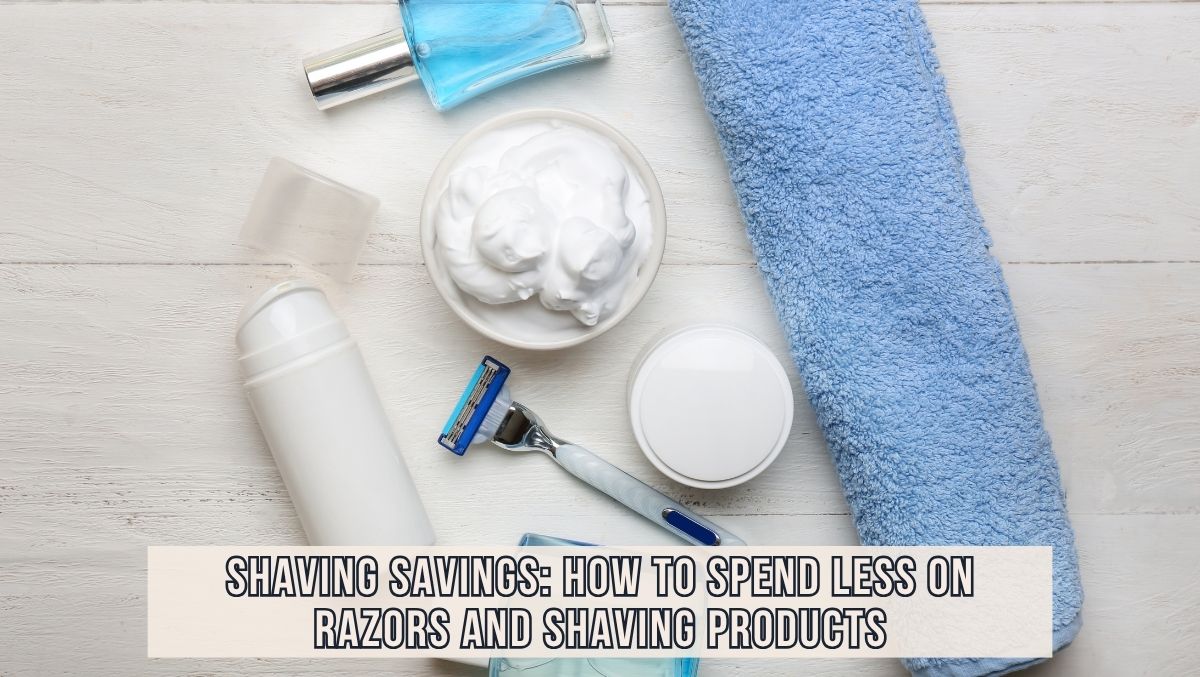
Shaving Savings: How To Spend Less on Razors and Shaving Products
These 12 simple changes can help ‘shave’ costs.
5 Inexpensive Homemade Hair Treatments

The Hidden Costs That Quietly Drain Your Budget
The price tag isn’t the full cost. Learn how to spot hidden expenses that can add up over time.
About The Dollar Stretcher
The Dollar Stretcher shares practical ways to lower everyday costs, build steadier money habits and move from stuck to stable on a tight budget.
Learn more about how we can help you.