
How To Strategically Fill Up Your Freezer for the Biggest Savings
TDS Money-Saving Strategist: Andrea Norris-McKnight | posted March 2026

You’ve probably heard the advice to keep your freezer full to save energy. It’s good advice—but it’s often oversimplified.
The usual suggestion is to add jugs of water and call it a day.
There’s a more useful way to fill your freezer that saves energy and stretches your grocery dollars.
Why a Full Freezer Uses Less Energy
A freezer that’s mostly full holds its temperature better than one with a lot of empty space. Frozen items act like ice packs. When you open the door, the cold stays put instead of rushing out, so the freezer doesn’t have to work as hard to cool back down.
That doesn’t mean cramming it wall-to-wall. Cold air still needs to circulate. Think “comfortably full,” not packed tight.
Beyond Savings: Other Benefits of a Full Freezer
Keeping your freezer comfortably full helps in ways that go beyond your electric bill.
- Holds temperature longer during power outages: A fuller freezer acts like a block of ice. If the power goes out, the cold is retained longer, which can help prevent food from thawing as quickly.
- Handles frequent door openings better: In busy households, the freezer door is opened often. A fuller freezer loses less cold air each time, so temperature swings are smaller.
- Protects food quality: More stable temperatures mean less thawing and refreezing at the surface of foods, which helps prevent freezer burn and keeps food tasting better.
- Gives you a built-in buffer: When your freezer holds cold well, you have a little more time to deal with unexpected situations—whether it’s a power outage or just a door left open a bit too long.
A fuller freezer isn’t just efficient. It’s more reliable day-to-day, especially when life gets a little unpredictable.
Better Ways To Fill Freezer Space (That Also Save Money)
Instead of freezing plain water, use the space for items that benefit from long-term storage or protect food you already buy.
Flour and grains: Flour, cornmeal, rice and oats all keep longer in the freezer. This helps prevent bugs, slow spoilage and free up pantry space. Store them in airtight bags or containers.
Nuts and seeds: These go rancid faster than many people realize. Freezing extends their life and keeps them tasting fresh.
Extra bread and baked goods: If you already buy bread on sale or bake in batches, freezing makes sense. Slice first and store in portions so you can pull out only what you need.
Cheese (shredded or block): Many cheeses freeze well and can help fill awkward gaps in the freezer. Shred before freezing for later convenience.
Broth and cooking liquids: Homemade broth, leftover cooking water from vegetables or even milk close to its date can be frozen in measured portions.
“Future use” foods: Vegetable scraps for broth, leftover tomato paste, citrus zest or herbs you don’t want to waste. These add bulk without adding clutter.
Flat freezer fillers: Freeze items flat in bags—rice, flour, beans or even freezer-safe towels wrapped around ice packs. They stack neatly and are easy to move when you need space.
What a Full Freezer Can Save You Over Time
Keeping your freezer comfortably full does more than trim energy use.
- Lower electric costs: A fuller freezer holds cold better, so it runs less often. Even small monthly savings add up over the year.
- Less food waste: Freezing flour, nuts, bread and scraps keeps them from spoiling or getting tossed.
- Fewer last-minute purchases: Having frozen basics and ready-to-use ingredients on hand reduces the need for emergency grocery runs.
- More value from sales: When you can store food safely, buying on sale actually pays off instead of turning into clutter or waste.
One small habit that quietly saves on utilities, groceries and frustration—without changing what you eat.
The 75–85% Rule: How Full Is “Full Enough”?
Aim to keep your freezer about 75–85% full.
Leave one small open area or a single jug of water so you can shift things around as needed. This way, your freezer stays efficient, your food lasts longer and the space is doing real work instead of just holding ice.
Too Empty:
- Cold air escapes quickly
- Freezer cycles on more often
- Food warms faster during door openings
Just Right (75–85% Full):
- Frozen items hold cold like ice packs
- Air still circulates freely
- Room to shift items or add food
- Best balance of energy savings and usability
Too Full:
- Poor air circulation
- Uneven freezing
- Harder to find and rotate food
- Freezer works harder, not less
Easy visual cue: If you can slide a hand between items and still move things around without forcing them, you’re in the sweet spot.
Want MORE TIPS for Stretching Your Budget?
Get the free eBook with 226 simple money-saving tips — plus the Dollar Stretcher newsletter with practical, real-life ways to make a tight budget go further.
We value your privacy.
Unsubscribe anytime.
Should You Fill Up Your Fridge?
Most energy experts agree that the energy savings of a full fridge are minimal. However, a reasonably full fridge holds cold better than an empty one, which can help reduce how often it cycles on, especially if you have a household where the fridge door gets held open several times a day.
Just don’t take filling the fridge too far. Leave enough open space so you and your family can see what you have and air can circulate.
When food gets shoved to the back and forgotten, it often turns into a spoiled surprise—or a duplicate purchase you didn’t need. A fridge that’s comfortably full, visible and easy to scan prevents waste, and that’s where the real savings show up over time.
About The Dollar Stretcher
The Dollar Stretcher shares practical ways to lower everyday costs, build steadier money habits and move from stuck to stable on a tight budget.
Learn more about how we can help you.
Get All 226 Money-Saving Tips—Free Download
You’ll also get our free newsletter each week. It’s full of useful ways to cut costs and stretch your dollars.
Budget Level Savings: Filling Your Freezer
No need to tackle every tip at once. Start with the tips best suited for your budget.
If money is stretched and you’re living paycheck to paycheck:
Use what you already have. Freeze pantry items like flour, rice, oats and nuts to fill space and prevent waste. Save scraps and leftovers instead of adding anything new. Skip buying freezer fillers just for the sake of filling space.
If your budget is stable, but irregular expenses knock you off track:
Be intentional with sale items you already buy—extra bread, cheese or meat you know you’ll use. Freeze in flat portions so items stack neatly and don’t block airflow.
If your budget is strong, but you want additional savings:
Use freezer space as part of a longer-term plan. Stock up selectively on sale items, freeze bulk staples and keep ready-to-use cooking components on hand so food gets used instead of forgotten.
TDS Takeaway: Fill Up Your Freezer but Don’t Overfill
A freezer stuffed to the point where air can’t move around actually works harder. You also want a little flexibility—space to shift items around or add something new without playing freezer Tetris. So keep the freezer about 75–85% full.
One or two water jugs are fine. Make the rest of the space work harder for you – and save more for you.
Did this article help you save or stretch a few dollars or plug a financial leak? The Dollar Stretcher can help you make your dollars go even further.
Join the free Dollar Stretcher newsletter to get money-saving tips and articles delivered to your inbox each week, plus a copy of the 226 money-saving tips eBook — a reference you can use whenever money feels tight.
About the Author
Andrea Norris-McKnight is the Money-Saving Strategist behind The Dollar Stretcher.
She helps people on tight budgets cut everyday costs, build steadier money habits and create a little breathing room—without guilt, gimmicks, or unrealistic advice.
More Ways To Save

Don’t Lose Food (or Dollars) to This Freezer Mistake
Your freezer is supposed to save money—but one small habit turns good food into rock-hard ice bricks that never get used.
How To Stretch Your Food Budget With the Freezer Space You Have
You don’t need a big freezer to get meaningful grocery savings.

8 Refrigerator Mistakes That Can Cost You Money
See if you’re making any of these fridge faux pas.
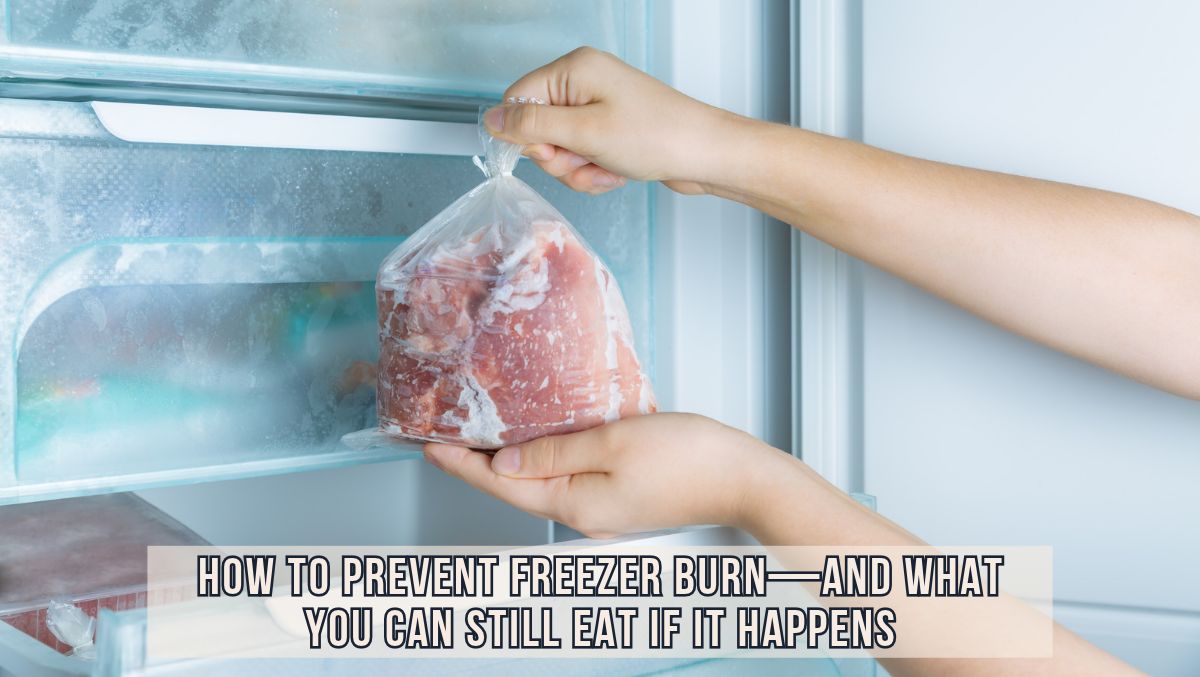
How To Prevent Freezer Burn—and What You Can Still Eat If It Happens
Freezer burn can turn a grocery bargain into a disappointing meal.
About The Dollar Stretcher
The Dollar Stretcher shares practical ways to lower everyday costs, build steadier money habits and move from stuck to stable on a tight budget.
Learn more about how we can help you.