
Waste Less, Save More: Clever Kitchen Reuses
TDS Money-Saving Strategist: Andrea Norris-McKnight | posted March 2026

A lot of what gets tossed in the kitchen still has value.
Reusing everyday leftovers and packaging can stretch your grocery budget, reduce waste and save a few extra trips to the store.
Reuses for Food Scraps and Leftovers
Simple ways to turn what’s left behind into ingredients you can use again.
Cooking oil
Let used cooking oil cool, then strain out food bits using a fine strainer or coffee filter. You can reuse it a few times for similar foods. When it’s no longer usable for cooking, pour it into a sealed container and dispose of it properly—never down the drain.
Regarding the article on reusing cooking oil, you can fry a slice of ginger in used cooking oil to absorb and remove some of the smell and taste of whatever you cooked in the oil. Strain the oil after doing this.
Claudia
Bacon grease
Instead of tossing bacon grease, pour it into a heat-safe jar and refrigerate. A small amount adds flavor to eggs, vegetables, beans or homemade cornbread.
Coffee grounds
Used coffee grounds work well as a deodorizer for the fridge or freezer. Place them in a small open container to absorb odors. They can also be added to compost or sprinkled around acid-loving plants.
Tip: Dry your grounds first so they don’t get moldy in the fridge.
Find out more ways to reuse used coffee grounds.
When I clean the kitchen after dinner, I clean my coffee pot too. If I have a pan with baked-on crud, I take a handful of coffee grounds and scrub the pan. They won’t scratch non-stick pans and do a better job than a scrubbing pad.
Renee
Banana peels
Banana peels can be chopped and buried in the garden to add nutrients to the soil. They also work as a mild leaf cleaner for houseplants.
Ham bones
A leftover ham bone can flavor a large pot of beans, lentils or split pea soup. Freeze it until needed.
Try out some of these frugal, hearty ham bone soups.
Want MORE TIPS for Stretching Your Budget?
Get the free eBook with 226 simple money-saving tips — plus the Dollar Stretcher newsletter with practical, real-life ways to make a tight budget go further.
We value your privacy.
Unsubscribe anytime.
Chicken bones
Freeze chicken bones until you have enough to make broth. Simmer the bones with vegetable scraps and water for a homemade stock that replaces store-bought broth.
Vegetable scraps
Ends, peels and skins from vegetables don’t have to go straight to the trash. Save items like onion skins, carrot ends, celery tops and herb stems in a freezer container. When it’s full, use them to make broth or stock. Scraps that aren’t good for broth can still go into compost.
For years, I would throw out a few tablespoons of leftover vegetables from our meals. One day several years back, when I was shopping, I saw that my local grocery was selling soup/stew vegetables in the freezer section and realized I could keep a ziplock bag in my freezer of all the leftover boiled potatoes, corn, green beans, peas, etc.). Just unzip and add to your bag. When you feel like making soup, stew or even a casserole, you have your ingredients all together and ready to add. Don’t worry about any butter or seasonings you may have added to those veggies. It adds additional flavor to your recipe.
Waste not, want not!
Sue
Egg shells
Rinse and crush eggshells before adding them to compost or garden beds. They provide calcium and may help deter pests.

About The Dollar Stretcher
The Dollar Stretcher shares practical ways to lower everyday costs, build steadier money habits and move from stuck to stable on a tight budget.
Learn more about how we can help you.

Get All 226 Money-Saving Tips—Free Download
You’ll also get our free newsletter each week. It’s full of useful ways to cut costs and stretch your dollars.
Reuses for Kitchen Product Packaging
Before you toss it, see how everyday packaging can save you money one more time.
Glass jars
Empty jars from pasta sauce, salsa and pickles are sturdy and reusable. Wash and reuse them to store leftovers, dry goods, dried beans soaking overnight or even bacon grease. They also work well for freezer storage if you leave enough headspace (allowing room for foods to expand during freezing so your jars don’t break and food doesn’t go to waste).
Egg cartons
Cardboard egg cartons work well for starting seeds indoors, and plastic ones make great mini greenhouses.
Egg cartons also make handy organizers for small items like screws or craft supplies.
I do a lot of online selling and some things are breakable. I discovered that egg cartons make excellent cushions for shipping. You can cut them to any size and they weigh almost nothing. I have a few friends and family members who save them for me.
If you store them open, they’ll stack and won’t take up much closet space. You can also use them for packing breakables when moving.
DD
Aluminum foil
If foil isn’t heavily soiled, rinse and reuse it. It works for wrapping food, lining pans or sharpening scissors.
Bread bags
Bread bags are useful for storing leftovers, packing lunches or marinating foods. They’re sturdier than they look.
You can also close an empty bread bag over a new bag of bread before popping it into the freezer to add another layer of protection from freezer burn.
Cereal bags
The inner bags from cereal boxes are sturdy and reusable. Use them to roll out dough, store baked goods or crush crackers into crumbs.
Using my Salad Shooter, I can quickly grate a two-pound brick of cheese to go into freezer bags for later use in cooking. Not wanting to grate the cheese into a bowl, which I would have to wash, I lay down a large piece of waxed paper that I get free in boxes of non-sugared, dry cereal. Simply separate the seams of the waxed paper, brush off any cereal flour, and you have a good-sized sheet of waxed paper. It’s easy to clean up since the cheese doesn’t stick to the paper.
I use some of the waxed sheets for rolling out pie crust and cut up others to place between hamburger patties before putting them in freezer bags.
Teri B.
Sugar bags
According to some Dollar Stretchers, heavy paper sugar bags can be reused for storing dry goods, packing lunches or small household projects.
Reusing packaging saves money, reduces waste and cuts down on how often you need to buy storage bags.
Try this:
- Set aside one spot for reusable packaging
- Keep only the sturdy pieces you’ll actually reuse
- Empty the bin regularly so it doesn’t turn into clutter
TDS Takeaway: One Small Habit That Adds Up
Reusing items you already paid for helps lower grocery and household costs over time. Look twice before tossing something—you may find it still has a job to do.
Did this article help you save or stretch a few dollars or plug a financial leak? The Dollar Stretcher can help you make your dollars go even further.
Join the free Dollar Stretcher newsletter to get money-saving tips and articles delivered to your inbox each week, plus a copy of the 226 money-saving tips eBook — a reference you can use whenever money feels tight.
About the Author
Andrea Norris-McKnight is the Money-Saving Strategist behind The Dollar Stretcher.
She helps people on tight budgets cut everyday costs, build steadier money habits and create a little breathing room—without guilt, gimmicks, or unrealistic advice.
More Ways To Save
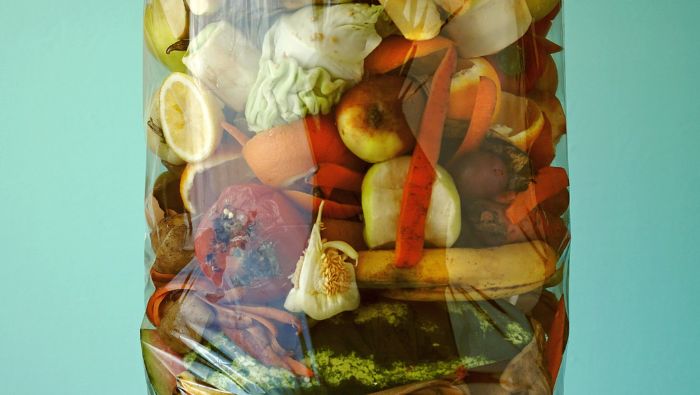
11 Creative Ways To Use Food Scraps To Reduce Food Costs
When you toss those food scraps, you could be tossing money in the trash.
How To Waste Less Fresh Produce: A Simple 4-Step Plan
Stop throwing away expensive fruits and vegetables.
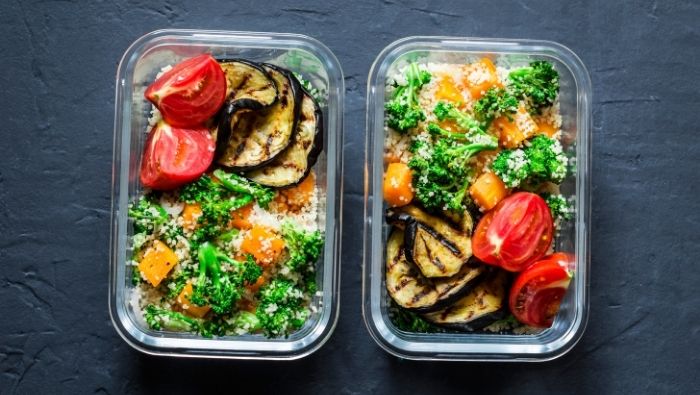
Smart Food Storage That Can Save You Money and Time in the Kitchen
A few minutes today can save you both time and money tomorrow.

10 Uses for Extra Fruit Juices in the Kitchen
Don’t pour leftover fruit juice down the drain.
About The Dollar Stretcher
The Dollar Stretcher shares practical ways to lower everyday costs, build steadier money habits and move from stuck to stable on a tight budget.
Learn more about how we can help you.