
How To Make Your Spices and Herbs Last Longer
TDS Money-Saving Strategist: Andrea Norris-McKnight | posted July 2026

A well-stocked spice cabinet can make simple meals taste anything but ordinary.
But if you only cook occasionally—or rarely use certain spices—you’ve probably discovered a frustrating problem.
You buy a full jar for one recipe, use a teaspoon and the rest sits in the cupboard for years.
While dried spices don’t usually spoil the way fresh food does, they do lose their flavor and aroma over time. That means you’re paying for seasonings that may not deliver the taste you’re expecting.
Fortunately, a few simple habits can help you get more value from every jar.
Buy Only What You’ll Actually Use
Warehouse clubs and large containers aren’t always the best value.
If you only make pumpkin pie once a year, you probably don’t need the largest container of cinnamon or nutmeg.
Smaller jars may cost more per ounce but can actually save money if you finish them before they lose their flavor.
Store Them Away From Heat and Light
Many people keep spices in a rack next to the stove.
It looks convenient—but it’s one of the worst places for preserving freshness.
Heat, light and moisture all shorten the life of dried herbs and spices.
Instead, store them:
- In a cool, dry cabinet
- Away from direct sunlight
- Away from the stove and dishwasher whenever possible
Some Dollar Stretcher readers take it a step further.
“Whenever I purchase new spices, I put the containers in the freezer in a plastic shoebox container. They stay fresher, especially if you do not bake regularly.” — Jane
Freezing spices can be a good option for herbs and seasonings you use only occasionally. Just be sure the containers are tightly sealed to help keep moisture out when they’re removed from the freezer.
Proper storage helps preserve both flavor and aroma, allowing you to get more value from every jar.
Keep Lids Tightly Closed
Every time moisture and air enter the container, spices lose a little more of their potency.
After measuring out what you need, close the lid promptly.
Also avoid shaking spices directly over steaming pots, where moisture can enter the container.
Instead, measure into a spoon or your hand first.
Want MORE TIPS for Stretching Your Budget?
Get the free eBook with 226 simple money-saving tips — plus the Dollar Stretcher newsletter with practical, real-life ways to make a tight budget go further.
We value your privacy.
Unsubscribe anytime.
Label the Purchase Date
It’s easy to forget how long a spice has been sitting on the shelf.
When you bring home a new jar, write the purchase date on the bottom with a permanent marker.
You don’t necessarily have to throw spices away after a certain amount of time, but the date gives you a better idea of when flavor may begin to fade.
Buy From Bulk Bins
If your grocery store or natural foods market has a bulk spice section, take advantage of it.
Buying only the amount you need is often one of the most economical ways to purchase spices you rarely use.
You can buy just a tablespoon or two instead of an entire jar.
Split Larger Containers With Someone Else
If bulk bins aren’t available, consider sharing.
Split the cost—and the spices—with a friend, neighbor or family member.
This works especially well for spices used primarily during the holidays or for special recipes.
Everyone spends less and wastes less.
About The Dollar Stretcher
The Dollar Stretcher shares practical ways to lower everyday costs, build steadier money habits and move from stuck to stable on a tight budget.
Learn more about how we can help you.
Get All 226 Money-Saving Tips—Free Download
You’ll also get our free newsletter each week. It’s full of useful ways to cut costs and stretch your dollars.
Borrow Before You Buy
Need one teaspoon of cardamom for a recipe you’ll probably never make again?
Ask around before buying a full jar.
Many neighbors or family members are happy to share a small amount of an uncommon spice.
You can return the favor the next time they need something from your pantry.
Build Your Collection Slowly
You don’t need a cabinet filled with dozens of spices.
Start with the ones you use regularly.
Then add new spices only as recipes call for them, and you know they’ll get used again.
A small collection of fresh spices is more useful than a large collection of stale ones.
Know Which Spices Lose Flavor the Fastest
Not all spices age at the same rate.
Ground spices generally lose their flavor faster than whole spices.
For example, whole cumin seed lasts longer than ground cumin.
If you use certain spices frequently and don’t mind a little extra prep, buying whole spices and grinding them as needed can help preserve flavor longer.
Give Older Spices the Smell Test
Before replacing a spice, open the jar and smell it.
If the aroma is still strong, it’s probably still useful.
If it has little or no scent, it likely won’t contribute much flavor to your cooking.
That doesn’t necessarily mean it has become unsafe—it simply means it may be time for a replacement.
TDS Takeaway: A Small Spice Cabinet Can Still Add Big Flavor
You don’t need dozens of expensive seasonings to cook flavorful meals.
A thoughtfully stocked spice cabinet—filled with herbs and spices you actually use and store properly—can save money while making everyday meals more enjoyable.
Sometimes the smartest way to stretch your grocery budget isn’t by buying more.
It’s getting the full value from what you already have.
Did this article help you save or stretch a few dollars or plug a financial leak? The Dollar Stretcher can help you make your dollars go even further.
Join the free Dollar Stretcher newsletter to get money-saving tips and articles delivered to your inbox each week, plus a copy of the 226 money-saving tips eBook — a reference you can use whenever money feels tight.
About the Author
Andrea Norris-McKnight is the Money-Saving Strategist behind The Dollar Stretcher.
She helps people on tight budgets cut everyday costs, build steadier money habits and create a little breathing room—without guilt, gimmicks, or unrealistic advice.
More Ways To Save
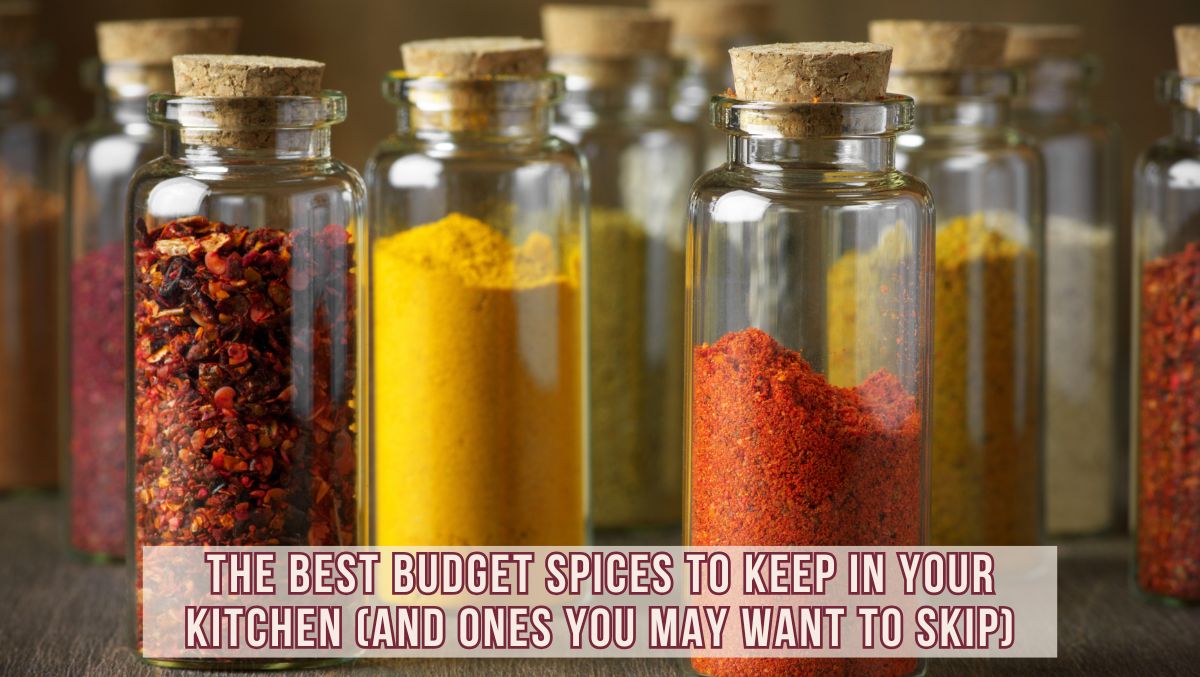
The Best Budget Spices To Keep in Your Kitchen (and Ones You May Want To Skip)
Learn which seasonings earn their shelf space—and which ones may not be worth buying.
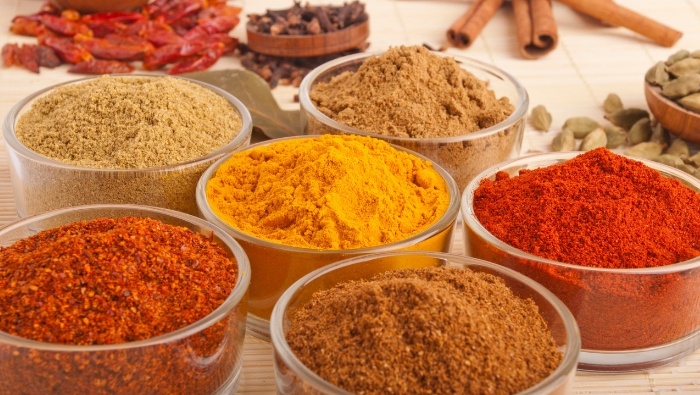
7 Recipes for Inexpensive Homemade Seasoning Mixes
Why pay someone to mix up a few spices?
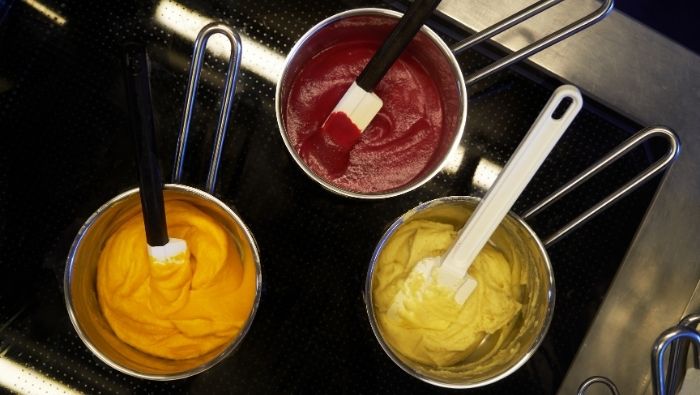
Perk Up Frugal Recipes With These Cheap Sauces
Inexpensive meals don’t need to be boring.

Easy Flavor Boosters for Frugal Meals
You can easily transform frugal meals from bland to grand with these simple flavor boosters.
About The Dollar Stretcher
The Dollar Stretcher shares practical ways to lower everyday costs, build steadier money habits and move from stuck to stable on a tight budget.
Learn more about how we can help you.