
Surprising Uses for Cat Litter (Even If You Don’t Own a Cat)
TDS Money-Saving Strategist: Andrea Norris-McKnight | posted March 2026

Cat litter is often thought of as having one use, but that’s not the case. A simple, unscented clay litter can actually help with several common household problems.
And it’s often cheaper than buying specialty products for the same tasks.
Before you get started, keep in mind: it’s best to use plain, unscented clay litter. For most of these uses, avoid the clumping, crystal or scented kinds.
1. Absorb Oil and Grease Spills
Motor oil on the driveway. Cooking oil on the garage floor. Even greasy messes in the trash can.
To clean them up, try this trick: pour some cat litter over the spill and let it sit for a few hours – overnight is even better. Then just sweep it up. It’s way better at soaking up oil from porous surfaces than paper towels, and it’s a lot cheaper than commercial absorbents.
2. Deodorize Trash Cans
Sprinkle a thin layer of litter to the bottom of your trash can, whether it’s in the kitchen or outside. This helps soak up moisture and odors before they become a problem.
This works especially well in summer or for cans that hold food scraps.
3. Control Basement and Closet Odors
Damp spaces smell musty because moisture lingers. Cat litter absorbs moisture naturally.
Just fill an old sock, a mesh bag, or a small container with litter and stick it in a basement, closet, laundry room, or near your shoes. Then, swap it out every few weeks and you’re good to go.
4. Improve Traction on Ice
Keep a small bucket of cat litter near your door in winter. When sidewalks or steps get slick, sprinkle it for instant traction.
It doesn’t melt ice, but it helps prevent slips—and it’s cheaper than most ice-melt products.
5. Dry Out Wet Shoes
Stuff damp shoes or boots with dry litter wrapped in paper towels or socks. It pulls moisture out faster than air-drying alone and helps cut odor at the same time.
This works well after rain, snow or muddy yard work.
Want MORE TIPS for Stretching Your Budget?
Get the free eBook with 226 simple money-saving tips — plus the Dollar Stretcher newsletter with practical, real-life ways to make a tight budget go further.
We value your privacy.
Unsubscribe anytime.
6. Absorb Spills in the Fridge or Freezer
A dropped jar of sauce or a leaking package of meat can turn into a cleanup nightmare.
Cat litter absorbs liquids quickly, making it easier to scrape up the mess. Toss it afterward—no lingering smells.
7. Freshen Ashtrays and Fireplaces
A small amount of litter in the bottom of an ashtray or fireplace helps absorb odors and moisture.
Plus, it makes cleanup a breeze once the ashes have cooled down.
8. Protect Stored Tools and Hardware
Moisture leads to rust. Try putting some cat litter in a small open container in your toolboxes, tackle boxes, or storage bins. This helps cut down on humidity and keeps your metal stuff from rusting.

9. Stabilize Wobbly Outdoor Furniture
If your patio furniture starts sinking into the ground, try putting some cat litter under the legs. It’s a temporary fix that works pretty well, especially after it rains.
10. Emergency Spill Control in the Car
Stash a small container of litter in your trunk. It’s handy for unexpected liquid messes, muddy shoes or slippery areas if something leaks.
About The Dollar Stretcher
The Dollar Stretcher shares practical ways to lower everyday costs, build steadier money habits and move from stuck to stable on a tight budget.
Learn more about how we can help you.

Get All 226 Money-Saving Tips—Free Download
You’ll also get our free newsletter each week. It’s full of useful ways to cut costs and stretch your dollars.
Don’t Use Cat Litter for These Jobs
Cat litter is handy, but it’s not a cure-all. Avoid using it for the following:
- Drains or plumbing: Cat litter hardens when wet. Pouring it down a drain can cause serious clogs.
- Vacuum cleanup: Never vacuum cat litter. The fine dust can damage your vacuum’s motor and clog its filter. Just sweep it up.
- Food-contact surfaces: Keep cat litter off countertops, cutting boards and anywhere you prep food. It isn’t food-safe.
- Delicate flooring: Gritty litter can scratch hardwood, laminate, vinyl and finished concrete.
- Garden soil or compost: Cat litter doesn’t break down like organic material and can interfere with drainage.
- Around pets or children as a play surface: Even if it’s unused, it’s not meant for skin, paws or mouths to come into contact with it.
A reminder: Clumping or scented varieties of cat litter are designed for litter boxes, not household tasks. Clumping litter expands and hardens, and scented types can leave residue or strong smells behind.
Best Type of Cat Litter for Household Uses
Not all cat litter works well outside the litter box. If you plan to use it around the house, here’s what to look for—and what to skip.
Best choice: Plain, unscented clay cat litter
- Absorbs moisture and odors well
- Doesn’t expand or harden
- Inexpensive and widely available
- Easy to sweep up and dispose of
This is the workhorse type for spills, odors, traction and moisture control.
Use with caution: Non-clumping clay litter
- Works for odor control and traction
- Slightly less absorbent than basic clay
- Still fine for most household uses
Skip these types
Clumping litter:
- Expands and hardens when wet
- Can damage surfaces and cause clogs
Scented litter:
- Leaves residue and strong smells
- Not ideal for enclosed spaces
Crystal or silica litter:
- Expensive
- Dusty and less effective for heavy spills
Natural or biodegradable litter (corn, wheat, pine):
- Breaks down too quickly
- Can mold or attract pests
TDS Takeaway
Cat litter isn’t fancy—and that’s the point. It’s one product that can replace several single-purpose items, saving both money and storage space.
If you’re already buying it, you might as well get the most out of it. And if you’re not, you might consider keeping a small bag on hand.
TDS Tip: Buy the smallest bag you can find and label it “Household Use Only.” It keeps costs down and avoids mix-ups with the litter box.
Did this article help you save or stretch a few dollars or plug a financial leak? The Dollar Stretcher can help you make your dollars go even further.
Join the free Dollar Stretcher newsletter to get money-saving tips and articles delivered to your inbox each week, plus a copy of the 226 money-saving tips eBook — a reference you can use whenever money feels tight.
About the Author
Andrea Norris-McKnight is the Money-Saving Strategist behind The Dollar Stretcher.
She helps people on tight budgets cut everyday costs, build steadier money habits and create a little breathing room—without guilt, gimmicks, or unrealistic advice.
More Ways To Save

Cornstarch: The Household Powder Nobody Uses Enough
Cornstarch isn’t just for cooking. See how this inexpensive powder can replace a few specialty products in your home.
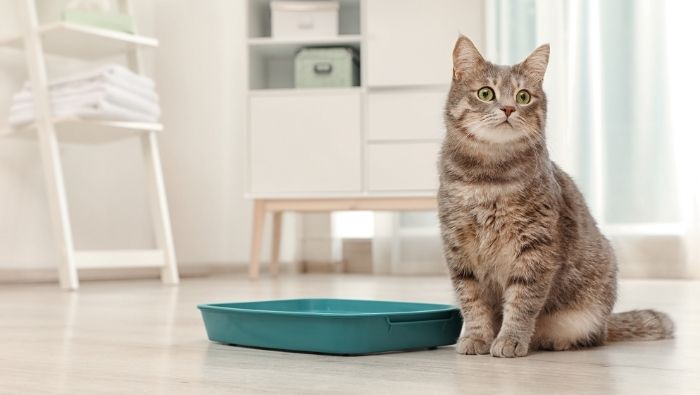
9 Cheap Cat Litter Alternatives
Our cost-savvy readers share their most cost-effective (and odor-effective!) solutions.

Alternate Uses for Mouthwash That May Help You Save
Mouthwash has a lot of uses beyond oral care. Here are a dozen household uses and home remedies to try.

226 Simple Money-Saving Ideas for a Tight Budget
A practical list you can skim for inspiration and return to whenever money feels tight.
About The Dollar Stretcher
The Dollar Stretcher shares practical ways to lower everyday costs, build steadier money habits and move from stuck to stable on a tight budget.
Learn more about how we can help you.