
7 Ways Home Maintenance Saves Money
Put off maintenance and the bills show up later. But stay ahead of these small tasks and that’s where the savings add up.
$avings Potential: 100s–1000s
TDS Money-Saving Strategist: Andrea Norris-McKnight | posted January 2024 | updated February 2026

Home maintenance is easy to postpone because it doesn’t feel urgent — and it rarely shows up as a line in your monthly budget.
But every small task you keep up with is a bill you don’t get later.
When you stay ahead of basic upkeep, you avoid emergency repairs, stretch the life of what you already own and keep your utility costs lower.
Here’s where the real savings show up.
1. Stops Small Problems From Turning Into Budget Wreckers
A loose shingle, a slow drip under the sink or a cracked caulk line around the tub looks minor — until it isn’t.
Fixing something early usually means:
- a $5–$20 DIY repair instead of
- a $500–$5,000 replacement
A five-minute gutter clean-out can prevent water damage.
A $3 washer in a leaky faucet can stop higher water bills and cabinet damage.
Small maintenance tasks protect your cash flow.
2. Helps You Avoid High-Cost Emergency Repairs
Emergency service calls almost always cost more because you’re paying for:
- urgency
- after-hours labor
- temporary fixes
Routine maintenance lets you:
- plan repairs
- price-compare
- wait for a sale on parts or appliances
That turns a financial crisis into a manageable expense.
3. Makes Appliances and Systems Last Longer
Replacing appliances too soon is one of the most expensive “hidden” budget drains.
Simple upkeep can add years to:
- your HVAC system (filter changes)
- your refrigerator (coil cleaning)
- your dryer (lint removal)
- your water heater (sediment flushing)
Every extra year you get is a year you don’t have to come up with hundreds — or thousands — of dollars.
Want MORE TIPS for Stretching Your Budget?
Get the free eBook with 226 simple money-saving tips — plus the Dollar Stretcher newsletter with practical, real-life ways to make a tight budget go further.
We value your privacy.
Unsubscribe anytime.
4. Lowers Your Utility Bills
Maintenance is one of the easiest ways to cut monthly expenses without changing your lifestyle.
A well-maintained home uses less:
- electricity
- heating and cooling
- water
Examples:
- Clean HVAC filter → lower energy use
- Sealed air leaks → lower heating bill
- Proper attic ventilation → less AC run time
These are permanent monthly savings.
5. Protects Your Home’s Value
Even if you’re not planning to sell, your home’s condition affects:
- insurance claims
- refinancing options
- resale value later
A well-maintained home:
- needs fewer last-minute repairs
- shows better
- sells faster
- often brings a higher price
That’s long-term financial protection.
6. Keeps Warranties Valid
Many warranties require basic maintenance.
Skipping simple tasks can mean paying out of pocket for a repair that would have been covered.
Keeping a short maintenance checklist (and receipts for filters or service) protects those benefits.
7. Helps You Avoid Health-Related Costs
Moisture, dust buildup, and poor ventilation can lead to:
- mold
- mildew
- poor air quality
That can turn into:
- medical expenses
- missed work
- expensive remediation
Preventive maintenance is far cheaper than fixing a health hazard.
About The Dollar Stretcher
The Dollar Stretcher shares practical ways to lower everyday costs, build steadier money habits and move from stuck to stable on a tight budget.
Learn more about how we can help you.
Get All 226 Money-Saving Tips—Free Download
You’ll also get our free newsletter each week. It’s full of useful ways to cut costs and stretch your dollars.
The Cost of Putting Off Home Maintenance
Most maintenance tasks are cheap.
Most repairs are not.
Here’s what procrastination often looks like in real numbers:
- $10 HVAC filter skipped → $300–$800 repair from system strain
- $5 tube of caulk ignored → $1,000+ water damage repair
- 20 minutes of cleaning gutters avoided → $2,000–$10,000 foundation or roof issues
- Lint buildup in dryer → higher energy bills and a potential fire risk
- Slow plumbing leak → higher water bill + cabinet or flooring replacement
Dollar Stretcher rule: If a task costs a few dollars and a few minutes, it’s almost always protecting you from a three- or four-figure expense later.
TDS Takeaway: The Real Payoff? Fewer Surprise Expenses
Home maintenance isn’t just about protecting your house — it’s about protecting your budget.
Every task you do on a regular schedule:
- reduces financial stress
- smooths out spending
- keeps you out of emergency mode
It’s one of the most reliable ways to turn unpredictable costs into planned, affordable ones.
Here are some tips to help you with DIY home maintenance tasks:
Budget Level Savings: Where To Start With Home Maintenance
The best savings for your budget level

Focus on the “Prevent Expensive Damage” Tasks
Do the free or nearly free jobs that stop big repair bills:
- Change HVAC filters on schedule
- Clean lint from the dryer vent
- Check for leaks under sinks and around toilets
- Keep gutters and downspouts clear
- Seal obvious air leaks with weatherstripping or caulk
Why this works: These tasks cost little but prevent the most expensive emergencies.

Add Efficiency Upgrades That Lower Monthly Bills
Once the basics are covered, move to the jobs that pay you back every month:
- Install a programmable or smart thermostat
- Add door sweeps and outlet gaskets on exterior walls
- Flush the water heater
- Clean refrigerator coils
- Service your HVAC system if it hasn’t been done in years
Why this works: You’ll see ongoing savings in your utility bills and fewer repair calls.

Plan Ahead for Replacements and Long-Term Protection
This is where maintenance turns into future cost control:
- Start a sinking fund for appliances and home systems
- Replace failing caulk and grout before damage starts
- Upgrade insulation in problem areas
- Schedule preventative roof or chimney inspections
Why this works: You replace items on your timeline — not during a financial emergency.
Did this article help you save or stretch a few dollars or plug a financial leak? The Dollar Stretcher can help you make your dollars go even further.
Join the free Dollar Stretcher newsletter to get money-saving tips and articles delivered to your inbox each week, plus a copy of the 226 money-saving tips eBook — a reference you can use whenever money feels tight.
About the Author
Andrea Norris-McKnight is the Money-Saving Strategist behind The Dollar Stretcher.
She helps people on tight budgets cut everyday costs, build steadier money habits and create a little breathing room—without guilt, gimmicks, or unrealistic advice.
More Ways To Save

226 Simple Money-Saving Ideas for a Tight Budget
A practical list you can skim for inspiration and return to whenever money feels tight.
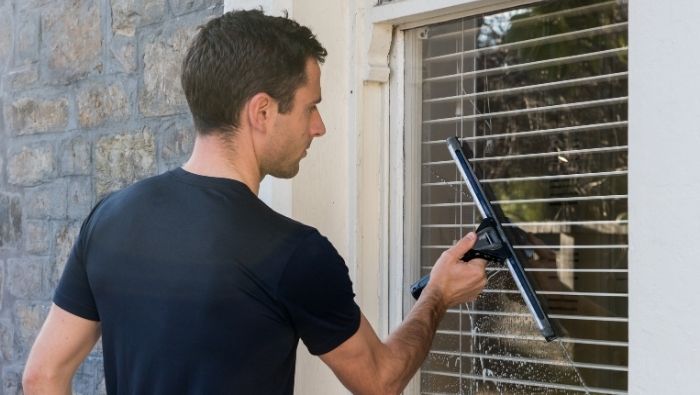
Spring Cleaning Your Home's Exterior Inexpensively
These inexpensive tasks take some time, but can save you on future repair bills.

How To Prolong the Life of Your Mattress: Care Tips
The lifespan of any mattress is only 7–10 years, but it may be much shorter without proper care.
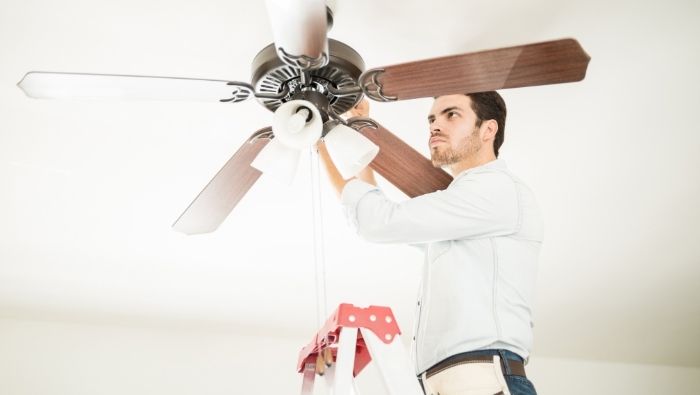
DIY Ceiling Fan Cleaning and Maintenance
About The Dollar Stretcher
The Dollar Stretcher shares practical ways to lower everyday costs, build steadier money habits and move from stuck to stable on a tight budget.
Learn more about how we can help you.