
How Dollar Stretchers Are Saving on Fabric Softeners
TDS Money-Saving Strategist: Andrea Norris-McKnight | posted July 2026

Small savings reminder: These tips alone won't save hundreds of dollars. But a collection of small savings habits working together is often what makes a tight budget easier to manage..
Fabric softener is one of those laundry products that can quietly add to your grocery bill month after month. Whether you prefer liquid softener, dryer sheets or a homemade alternative, there are plenty of ways to reduce the cost without sacrificing soft, fresh-smelling clothes.
We asked Dollar Stretcher readers how they save on fabric softener. Some have stopped buying commercial products altogether, while others have found creative ways to make a bottle last much longer.
Here are some of their best ideas.
1. Use White Vinegar Instead
White vinegar was by far the most frequently recommended fabric softener substitute.
Readers typically add about ½ cup during the rinse cycle. They say it softens clothing, helps remove detergent residue and can reduce odors without leaving a vinegar smell behind.
Reader Allison originally switched because commercial fabric softeners reduce the absorbency of cloth diapers, but she found vinegar worked so well that she kept using it.
“Vinegar is a natural fabric softener. It also helps remove soap residue.“ — Allison
I have devised a formula for making my fabric softener last three times as long, and my clothes are softer than with the softener alone. I buy a large bottle of softener. Then, I pour two cups of softener, two cups of white vinegar and two cups of water into a smaller container. I shake this mixture well and then use it just as I would the full-strength softener.
My clothes are soft, and the towels are fluffier than with full-strength softener. My daughter is now using this formula for her clothes, too, and loves it for her kids’ clothes.
Donna
2. Try Other Low-Cost Fabric Softener Alternatives
Several readers recommend inexpensive household products that can replace commercial fabric softener.
Suggestions include:
- Borax added during the rinse cycle
- Diluted glycerin mixed with water
- A baking soda, vinegar and water mixture
- Diluted inexpensive hair conditioner
Every household seems to have a favorite, so you may need to experiment to see which works best with your water and washing machine.
“A 1/4 cup of 20 Mule Team Borax in your rinse water will do the trick. This isn’t a homemade option, but it is cheaper and just as effective as products labeled as fabric softeners.” — Mary Sue
“Mix 1 cup of Glycerin and 1 gallon of water. Add 1/2 cup of this mixture to the wash or rinse cycle to soften clothing. Not only is it cheaper, but it is also much safer for the environment!” — Jo
“Buy one of the jumbo jugs of cheap hair conditioner and dilute it approximately 3:1 (water—3, conditioner—1). This works just as well as any fabric softener I’ve ever used. It is cheap, and you can even choose your own scents!” — Martina
Years ago, I found a recipe for fabric softener in an issue of Tightwad Living:
2 cups baking soda
2 cups white vinegar
4 cups water
Mix ingredients and store in a plastic or glass container in your laundry area. Label the container and keep it out of the reach of children. To use: Shake the mixture and add 1/4 cup to the final rinse in your washing machine. If you have hard water, use 1/3 cup.
Brittany
3. Make Reusable Dryer Balls
One reader skips dryer sheets by making reusable dryer balls from worn-out socks.
The homemade balls are dipped in a mixture of water and white vinegar before going into the dryer. According to the reader, they reduce static, soften clothing and help eliminate odors.
It’s also a practical way to reuse socks that would otherwise be thrown away.
“I bunch a few up, stuff them into another sock, roll them up, flip a side of the sock over the rolled ball, and sew the ends shut. They last forever!” — N.
Want MORE TIPS for Stretching Your Budget?
Get the free eBook with 226 simple money-saving tips — plus the Dollar Stretcher newsletter with practical, real-life ways to make a tight budget go further.
We value your privacy.
Unsubscribe anytime.
4. Dilute Store-Bought Fabric Softener
If you prefer commercial fabric softener, several readers recommend simply using less of it.
One popular method is mixing one part fabric softener with three or four parts water before using it. Others combine fabric softener with both water and white vinegar.
Many readers report that the diluted mixture softens clothing just as well while making each bottle last two to four times longer.
5. Make Your Own Reusable Softener Cloths
Instead of buying disposable dryer sheets, one reader soaks small pieces of washcloth in a diluted fabric softener solution.
After wringing out the excess liquid, one cloth goes into the dryer with each load.
She notes that it’s best to make only small batches of the mixture because it can become slimy if stored too long.
I make a Downy mixture in an old butter tub with a lid of approximately 1 part fabric softener to 4 parts water. I have a large wash cloth that I cut into fourths, and I throw those pieces in the Downy mixture. I wring the Downy cloth out well and toss it in the dryer. If you line dry, bring your clothes in off the line and throw them in the dryer for about 5 minutes with one of the Downy cloths.
This should make your clothes soft and save you money. A bottle of Downy used this way will last a really, really long time.
A hint I learned is not to make a large amount of the Downy/water mixture because it will get slimy as it sits for a few weeks. I never make a batch using more than 2 cups of water.
L.
About The Dollar Stretcher
The Dollar Stretcher shares practical ways to lower everyday costs, build steadier money habits and move from stuck to stable on a tight budget.
Learn more about how we can help you.

Get All 226 Money-Saving Tips—Free Download
You’ll also get our free newsletter each week. It’s full of useful ways to cut costs and stretch your dollars.
6. Use Fabric Softener Only When You Really Need It
Several readers point out that not every load needs fabric softener.
Instead of adding it automatically, consider saving it for items like:
- Towels
- Bedding
- Dress clothes
- Fabrics prone to static
Using softener selectively can make each bottle last much longer.
7. Switch to Wool Dryer Balls
If your main goal is reducing static and softening clothes, you may be able to eliminate fabric softener for most loads altogether.
Reader Barb says she rarely uses liquid fabric softener anymore except on flannel sheets, where it is specifically recommended. Instead, she relies on wool dryer balls that have lasted for years.
While there’s an upfront cost, reusable wool dryer balls can replace hundreds of disposable dryer sheets over their lifetime, making them an economical long-term investment for many households.
“I bought six wool dryer balls online. They still work after more than two years.” — Barb
8. Dollar Stretchers Stretch Dryer Sheets Too
Not everyone wants to give up dryer sheets completely. Several readers have found simple ways to make each box last much longer.
One reader saves used dryer sheets in a resealable container and moistens them with a small amount of inexpensive liquid fabric softener so they can be used again.
“I save my used dryer sheets, put them into a container (I use an old baby wipe container) and add some inexpensive liquid fabric softener to the container. This way, I can use the same dryer sheets over and over.” — TSH
Jana takes an even simpler approach by cutting each dryer sheet in half before using it. She says the smaller pieces work just as well for most loads while doubling the number of sheets in every box. Other readers cut them into fourths.
These small changes can significantly reduce the ongoing cost of softening laundry without changing your routine.
TDS Takeaway
Some Dollar Stretchers replace fabric softeners with inexpensive household ingredients like vinegar. Others dilute commercial products, make reusable alternatives, or simply use softener less often.
Even adopting one or two of these ideas can noticeably reduce your laundry costs over the course of a year.
Did this article help you save or stretch a few dollars or plug a financial leak? The Dollar Stretcher can help you make your dollars go even further.
Join the free Dollar Stretcher newsletter to get money-saving tips and articles delivered to your inbox each week, plus a copy of the 226 money-saving tips eBook — a reference you can use whenever money feels tight.
About the Author
Andrea Norris-McKnight is the Money-Saving Strategist behind The Dollar Stretcher.
She helps people on tight budgets cut everyday costs, build steadier money habits and create a little breathing room—without guilt, gimmicks, or unrealistic advice.
More Ways To Save

Make Your Clothes Last Longer With These Simple Habits
Learn simple ways to wash, dry, repair and refresh your wardrobe so you can keep your cash focused on more pressing expenses.
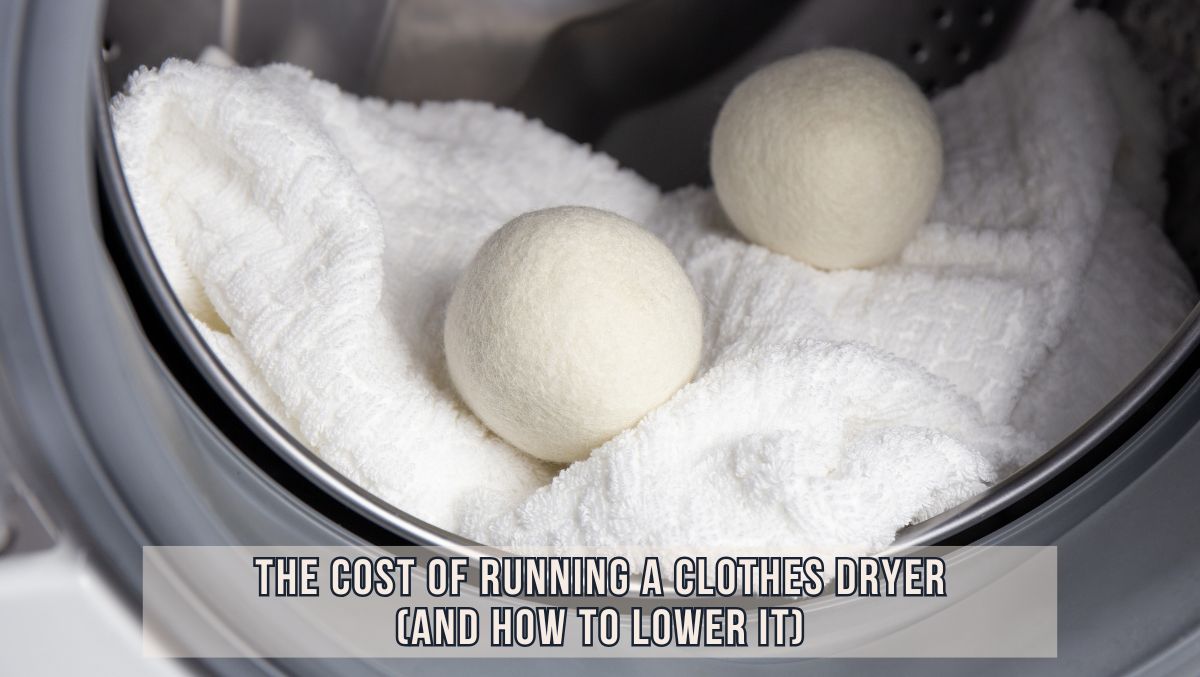
The Cost of Running a Clothes Dryer (and How To Lower It)

Powder, Liquid or Pods: Which Laundry Detergent Saves the Most Money?
Not all laundry detergents cost the same per load.

Cheap Laundry Detergent: When It Is and Isn’t a Bargain
Is bargain detergent costing you more in the long run?
About The Dollar Stretcher
The Dollar Stretcher shares practical ways to lower everyday costs, build steadier money habits and move from stuck to stable on a tight budget.
Learn more about how we can help you.