
The Spending Category That Grows When Life Feels Stressful
TDS Money-Saving Strategist: Andrea Norris-McKnight | posted June 2026
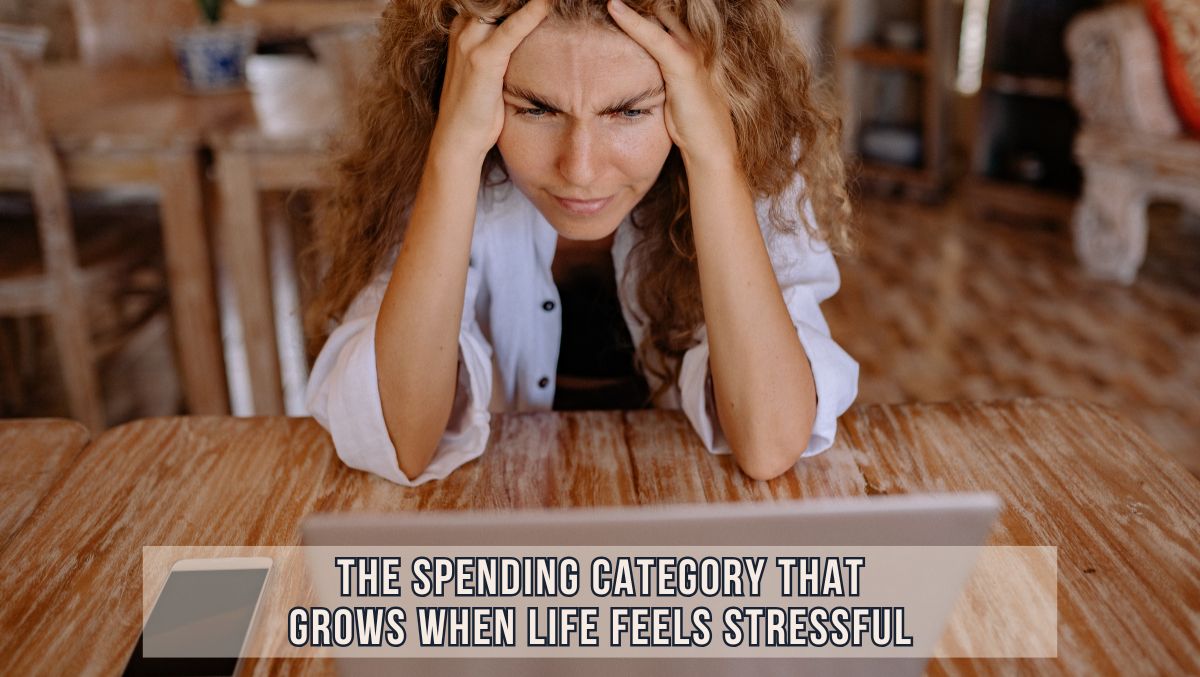
When budgets get tight, most people expect spending to rise in certain places.
Utilities. Groceries. Gas.
But there’s another category that often grows quietly during difficult or stressful periods—and many people don’t notice it happening.
Convenience spending.
This isn’t necessarily reckless spending.
In fact, it often feels reasonable in the moment.
Life gets stressful, schedules get busy and energy runs low. Suddenly convenience becomes easier to justify—and the budget absorbs the cost.
Here’s why this happens and how to keep convenience spending from quietly taking over the budget.
Stress Changes How We Make Spending Decisions
Money decisions often look different when we’re tired, overwhelmed or emotionally drained.
During stressful periods, people tend to:
- Plan less
- Make faster decisions
- Prioritize relief or convenience
- Think more about getting through today than protecting next week’s budget
That’s understandable.
But it also creates conditions where convenience spending grows.
Convenience Spending Doesn’t Always Look Obvious
Most people think of impulse shopping when they hear “stress spending.”
But convenience spending is often quieter.
It may look like:
- Extra takeout
- Grocery delivery fees
- Convenience foods
- Coffee or snack runs
- Paying for speed or ease
- Small online purchases made for comfort or convenience
None of these are automatically bad.
The issue is frequency.
When stressful periods last longer, convenience spending can become routine.
The “I’m Too Tired” Spending Trap
One of the most common drivers of convenience spending is exhaustion.
After a difficult day, it becomes harder to:
- Cook
- Meal plan
- Shop carefully
- Compare prices
- Think through purchases
Convenience spending often fills that gap.
And again, this isn’t about blame.
It’s about recognizing the pattern.
Because when the budget feels tight, but spending still creeps upward, exhaustion is sometimes part of the story.
Want MORE TIPS for Stretching Your Budget?
Get the free eBook with 226 simple money-saving tips — plus the Dollar Stretcher newsletter with practical, real-life ways to make a tight budget go further.
We value your privacy.
Unsubscribe anytime.
Stress Can Make Small Purchases Feel Necessary
Stress doesn’t always lead to large purchases.
More often, it creates lots of smaller ones.
Examples:
- A vending machine snack because the day feels overwhelming
- Delivery because cooking feels impossible
- A quick purchase for comfort or distraction
Individually, these may seem insignificant.
But repeated over days or weeks, they can noticeably affect the budget.
Why Convenience Spending Feels Different From Other Spending
Convenience spending often escapes scrutiny because it feels productive or justified.
You aren’t necessarily buying luxury items.
You’re solving a problem:
- Saving time
- Reducing stress
- Making life easier
That’s why this category can grow without much attention.
The spending feels practical—even as it quietly becomes expensive.
About The Dollar Stretcher
The Dollar Stretcher shares practical ways to lower everyday costs, build steadier money habits and move from stuck to stable on a tight budget.
Learn more about how we can help you.
Get All 226 Money-Saving Tips—Free Download
You’ll also get our free newsletter each week. It’s full of useful ways to cut costs and stretch your dollars.
Create “Low-Energy” Budget Solutions
The goal isn’t to eliminate convenience entirely.
That’s usually unrealistic.
Instead, create lower-cost solutions for stressful or low-energy days.
Examples:
- Keep a few easy meals on hand
- Plan simple backup dinners
- Create low-cost comfort options at home
- Leave some room in the budget for convenience spending instead of pretending it won’t happen
This approach works better than relying on willpower alone.
How Monitoring Convenience Spending Helps Your Budget
Being more aware of convenience spending can help replace:
- Budget leaks during stressful periods
- End-of-month money surprises
- Feeling confused about where your money went
You’re not just cutting spending. You’re understanding what drives it.
TDS Takeaway: Stress Spending Isn’t About Weakness
This is important to remember.
Convenience spending during stressful periods doesn’t mean you’re bad with money.
It usually means you’re human.
Life gets busy. Energy runs low. Decisions become harder.
The goal isn’t perfection.
It’s noticing when stress is influencing spending and building a few gentler, lower-cost solutions before convenience quietly becomes a habit.
Did this article help you save or stretch a few dollars or plug a financial leak? The Dollar Stretcher can help you make your dollars go even further.
Join the free Dollar Stretcher newsletter to get money-saving tips and articles delivered to your inbox each week, plus a copy of the 226 money-saving tips eBook — a reference you can use whenever money feels tight.
About the Author
Andrea Norris-McKnight is the Money-Saving Strategist behind The Dollar Stretcher.
She helps people on tight budgets cut everyday costs, build steadier money habits and create a little breathing room—without guilt, gimmicks, or unrealistic advice.
More Ways To Save

Costs That Multiply When You’re Tired, Busy or Overwhelmed
Here’s how stress quietly raises expenses—and how to limit the damage.

A Side Gig Isn’t Always the Fix for a Tight Budget
Here’s how to decide whether a side hustle makes sense — or if a steady part-time job is the smarter move right now.
The Hidden Costs That Quietly Drain Your Budget
The price tag isn’t the full cost.
When Prices Go Up, You Don’t Always Have To Spend More
These simple shifts in how you use gas, groceries and utilities can help keep your budget steady.
About The Dollar Stretcher
The Dollar Stretcher shares practical ways to lower everyday costs, build steadier money habits and move from stuck to stable on a tight budget.
Learn more about how we can help you.