
Frugal Without Being Stingy
TDS Budget Expert: Andrea Norris-McKnight | posted January 2026

Most of us know someone who takes saving money a little too far. The friend who never brings anything to the potluck but leaves with leftovers. The family member who treats any spending as a mistake. If that’s what frugality looks like, it’s easy to want no part of it.
Here’s the thing: being frugal doesn’t mean being cheap. It doesn’t mean skipping every treat, avoiding fun, or leaning on others to save a few dollars. When done right, frugality helps you spend intentionally while still enjoying your life.
Frugal vs. Cheap: There Is a Difference
Frugal people think ahead. They spend with purpose and look for value. Cheap behavior focuses only on spending less, even when it causes problems later.
Frugality asks:
- Is this worth the money?
- Will this save me more down the road?
- Does this fit my priorities?
Cheapness skips those questions and looks only at the price tag.
Related: 7 Times Buying Cheap Can Cost More
How to Be Frugal (Without Being “That Person”)
Give appropriately.
Set a gift budget you can afford, then buy something the other person will actually enjoy. A bargain isn’t a good deal if the gift misses the mark.
Buy quality where it matters.
Some items cost less over time when you buy better once. Mattresses, cookware, shoes, and tools are common examples. Replacing cheap items again and again usually costs more.
Pay your fair share.
Saving money shouldn’t come at someone else’s expense. Tip fairly. Split group expenses honestly. Don’t rely on other people’s generosity to fund your lifestyle.
Protect the basics.
Routine medical care, car maintenance, home repairs, and proper insurance help prevent much bigger bills later. Skipping these often backfires.

About The Dollar Stretcher
The Dollar Stretcher shares practical ways to lower everyday costs, build steadier money habits and move from stuck to stable on a tight budget.
Learn more about how we can help you.
Get All 226 Money-Saving Tips—Free Download
You’ll also get our free newsletter each week. It’s full of useful ways to cut costs and stretch your dollars.
Warning Signs You’re Sliding Into Cheapness
- You spend excessive time chasing tiny savings.
- You regularly expect freebies, favors, or hand-me-downs.
- You skip social activities solely to avoid spending anything.
- You put off health care or maintenance to save short-term cash.
- Money stress is starting to strain your relationships.
Saving money should reduce stress, not create new problems.
The Goal of Frugality
Frugality works best when it supports your life instead of shrinking it. The goal isn’t to spend as little as possible. It’s to spend wisely, stay prepared for the future and still enjoy the present.
That balance is what makes frugality sustainable—and worth sticking with.
Did this article help you save or stretch a few dollars or plug a financial leak? The Dollar Stretcher can help you make your dollars go even further.
Join the free Dollar Stretcher newsletter to get money-saving tips and articles delivered to your inbox each week, plus a copy of the 226 money-saving tips eBook — a reference you can use whenever money feels tight.
About the Author
Andrea Norris-McKnight is the Money-Saving Strategist behind The Dollar Stretcher.
She helps people on tight budgets cut everyday costs, build steadier money habits and create a little breathing room—without guilt, gimmicks, or unrealistic advice.
More Ways To Save

226 Simple Money-Saving Ideas for a Tight Budget
A practical list you can skim for inspiration and return to whenever money feels tight.
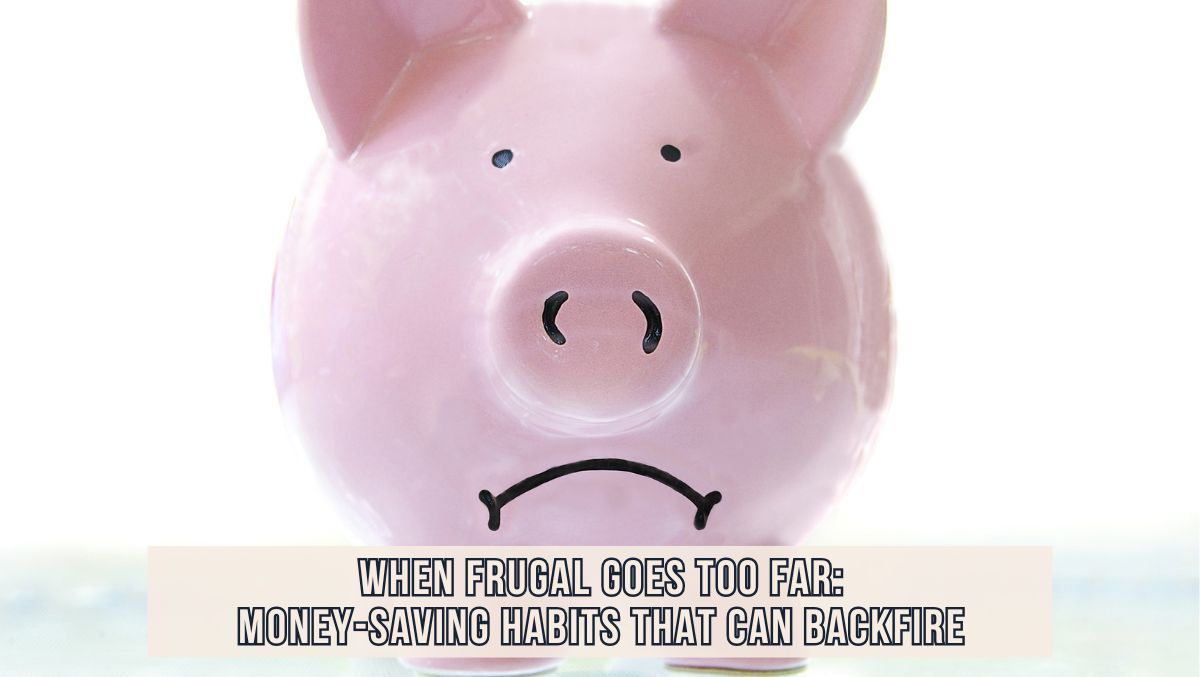
When Frugal Goes Too Far: 8 Money-Saving Habits That Can Backfire

3 Easy Ways To Start Trimming Your Budget Without Feeling Deprived

12 Ways Being Frugal Pays Off
About The Dollar Stretcher
The Dollar Stretcher shares practical ways to lower everyday costs, build steadier money habits and move from stuck to stable on a tight budget.
Learn more about how we can help you.