
Create a “Cost Per Meal” List, Troubleshoot Common Electrical Problems — Plus 3 More Ways To Save This Week
The Weekly Stretch: 5 Ways To Save This Week
TDS Money-Saving Strategist: Andrea Norris-McKnight | posted July 1, 2026
Here are five practical ways to save money this week.
1. Check These Four Things Before Calling an Electrician
This tip comes from the wife of an electrical contractor who says these are among the most common service calls they receive—and many of them don’t require an electrician at all.
Before scheduling a service call, check these four things:
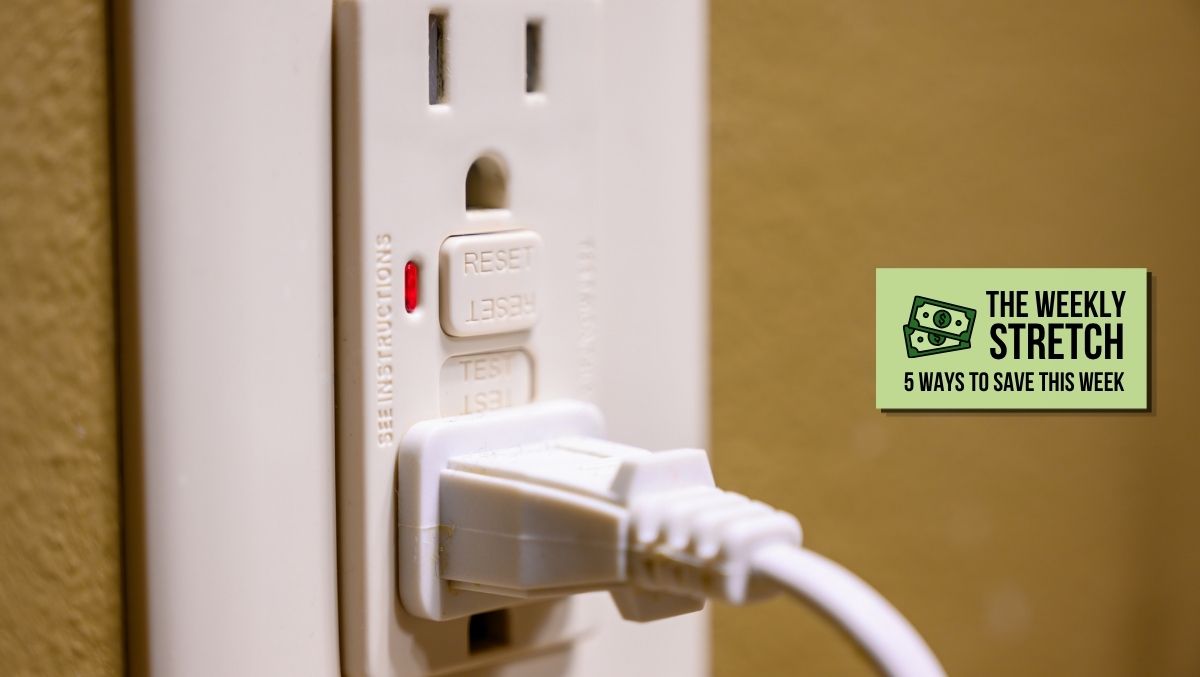
- Press the Reset button on any GFCI outlet. If outlets in the bathroom, kitchen, garage or outside stop working while the rest of the house still has power, a tripped GFCI outlet is often the cause.
- Look for a switched outlet. Some outlets are controlled by a wall switch. Make sure the switch hasn’t been turned off.
- Try another bulb or appliance. Sometimes the outlet has power, but the lamp, fixture or appliance is the real problem.
- Check your breaker panel. A tripped breaker can leave part of the house without power and is often a quick fix.
Spending just a few minutes troubleshooting may save you the cost of an unnecessary service call.
2. Create a “Cost Per Meal” List
We all have favorite meals—but some are much more budget-friendly than others.
Try making a simple list of the meals your family enjoys and estimate what each one costs to prepare.
You may discover that:
- Chili costs half as much as tacos.
- Pasta dishes stretch your grocery dollars farther than grilled chicken.
- Breakfast-for-dinner is one of your least expensive meals.
Once you know the approximate cost of each meal, plan the lower-cost ones more often and reserve the pricier favorites for occasional treats.
The exercise can also motivate you to find new recipes that deliver the same satisfaction for less money.
3. Auto-Pay Your Bills—But Still Read the Statements
Automatic bill payments are a great way to avoid late fees and simplify your finances.
But don’t let convenience turn into neglect.
Take a minute each month to review your statements before or after the payment is made.
A steadily increasing utility bill, an unexpected subscription charge or a billing error may be the first sign that something needs attention.
For example, an unusually high electric bill might point to an air conditioner that isn’t running efficiently. Catching problems early can prevent months of unnecessary costs.
Auto-pay should save you time—not keep you from noticing when something changes.
Want MORE TIPS for Stretching Your Budget?
Get the free eBook with 226 simple money-saving tips — plus the Dollar Stretcher newsletter with practical, real-life ways to make a tight budget go further.
We value your privacy.
Unsubscribe anytime.
4. Compare Products, Not the Marketing
Some products are marketed separately for men and women, even though they’re remarkably similar.
Before assuming you need the version aimed at you, compare the product itself.
This can apply to items such as:
- Antiperspirants
- Shaving cream
- Socks
- Basic toiletries
Sometimes the ingredients, quality or construction are nearly identical while the prices are not.
Buying the version that offers the better value—regardless of the marketing—can be an easy way to trim everyday spending.
5. Be Honest About Your Budget With Friends and Family
Financially difficult times don’t have to mean isolating yourself.
If money is tight, let family and close friends know you’re pressing pause on things like restaurant outings or exchanging gifts until you’re back on your feet.
Most people appreciate honesty, and many have been in the same position themselves.
Instead, suggest free or low-cost ways to spend time together:
- Meet for a walk.
- Visit a local park.
- Attend a free community event.
- Share coffee at home instead of meeting at a café.
The goal isn’t to stop seeing people you care about. It’s to remove the pressure to spend money you simply don’t have.
Often, your company means far more than an expensive meal or gift.
About The Dollar Stretcher
The Dollar Stretcher shares practical ways to lower everyday costs, build steadier money habits and move from stuck to stable on a tight budget.
Learn more about how we can help you.

Get All 226 Money-Saving Tips—Free Download
You’ll also get our free newsletter each week. It’s full of useful ways to cut costs and stretch your dollars.
Did this article help you save or stretch a few dollars or plug a financial leak? The Dollar Stretcher can help you make your dollars go even further.
Join the free Dollar Stretcher newsletter to get money-saving tips and articles delivered to your inbox each week, plus a copy of the 226 money-saving tips eBook — a reference you can use whenever money feels tight.
About the Author
Andrea Norris-McKnight is the Money-Saving Strategist behind The Dollar Stretcher.
She helps people on tight budgets cut everyday costs, build steadier money habits and create a little breathing room—without guilt, gimmicks, or unrealistic advice.
More Ways To Save




About The Dollar Stretcher
The Dollar Stretcher shares practical ways to lower everyday costs, build steadier money habits and move from stuck to stable on a tight budget.
Learn more about how we can help you.