
Purchases That Make the Rest of the Month Harder When Money Is Tight
TDS Money-Saving Strategist: Andrea Norris-McKnight | posted May 2026
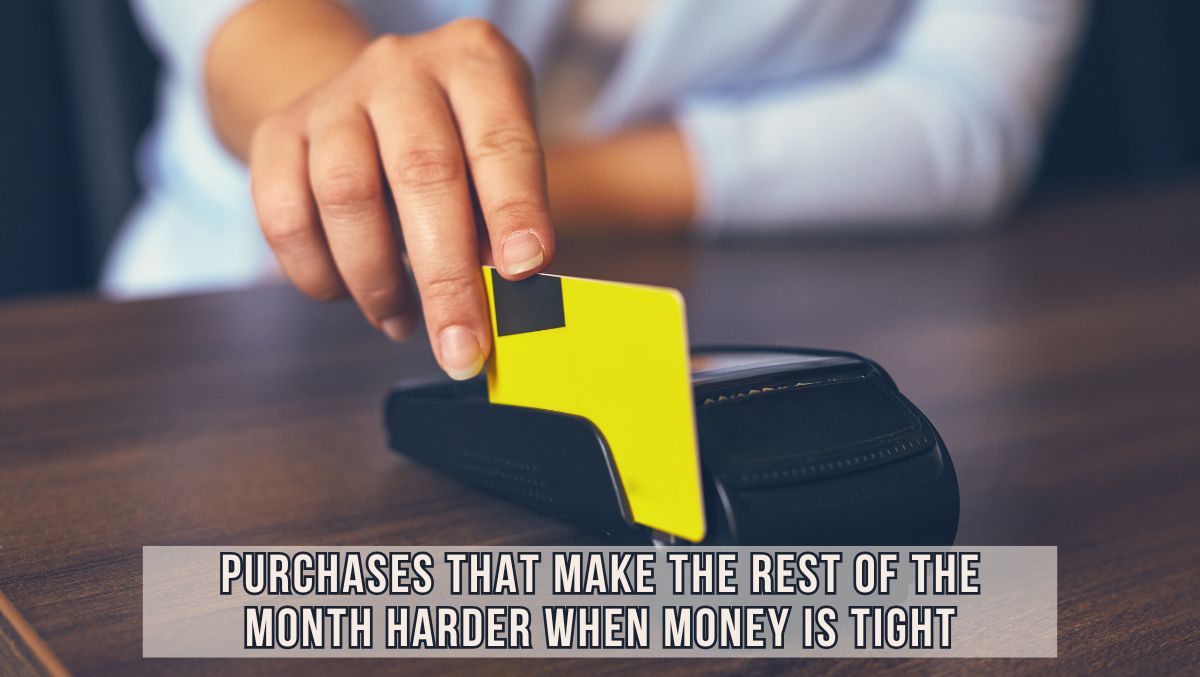
Often it’s not the biggest expenses that make a tight budget feel tighter.
It’s the purchases that quietly make everything afterward harder.
A larger-than-usual grocery trip. A few convenience purchases. An impulse buy that didn’t seem unreasonable at the time.
None of these things may wreck your budget on their own.
But they reduce your flexibility for the rest of the month.
That’s the part many people don’t think about.
Every dollar spent early in the month is one less dollar available later—for bills, groceries, gas or unexpected expenses.
Here are some purchases and habits that can make the rest of the month harder than it needs to be when money is tight.
Overspending Early in the Pay Cycle
It’s easy to feel more relaxed right after payday.
That’s often when people:
- Spend more freely
- Stock up without a plan
- Add extra “treat” purchases
- Say yes to things they might normally skip
The problem isn’t necessarily the spending itself.
It’s that the rest of the month still has to be funded afterward.
When too much money leaves early, the second half of the month often feels much tighter.
Convenience Purchases That Become Habits
A convenience purchase here and there usually isn’t a big problem.
But repeated convenience spending can quietly crowd out essentials later.
Examples include:
- Frequent takeout
- Delivery fees
- Convenience snacks
- Pre-prepared foods
These purchases often happen during busy or stressful periods—which also makes them harder to notice.
Grocery Shopping Without a Plan
One large grocery trip can affect the rest of the month more than people realize.
This often happens when:
- Too much fresh produce goes bad
- Meals aren’t planned around what was bought
- Convenience foods fill the cart
- Multiple “good deals” add up
A grocery bill doesn’t just affect this week. It affects how much room you have left afterward.
Want MORE TIPS for Stretching Your Budget?
Get the free eBook with 226 simple money-saving tips — plus the Dollar Stretcher newsletter with practical, real-life ways to make a tight budget go further.
We value your privacy.
Unsubscribe anytime.
Monthly Payments That Quietly Reduce Flexibility
Small monthly payments can make a budget feel permanently tight.
Examples:
- Subscription services
- Financing plans
- Buy now/pay later purchases
- Memberships
Individually, many don’t seem large.
Together, they reduce how much flexibility you have when something unexpected comes up.
Buying Things That Create More Ongoing Costs
Some purchases continue affecting your budget long after checkout.
Examples include:
- Appliances or devices with expensive replacements
- Vehicles with high fuel or insurance costs
- Products that require ongoing refills or accessories
The purchase itself may fit your budget. The ongoing costs may not.
About The Dollar Stretcher
The Dollar Stretcher shares practical ways to lower everyday costs, build steadier money habits and move from stuck to stable on a tight budget.
Learn more about how we can help you.
Get All 226 Money-Saving Tips—Free Download
You’ll also get our free newsletter each week. It’s full of useful ways to cut costs and stretch your dollars.
Emotional Spending During Stressful Periods
Stress spending doesn’t always look dramatic.
Sometimes it looks like:
- Extra convenience purchases
- “I deserve this” spending
- Buying things to make a difficult week feel easier
The issue isn’t guilt. It’s that these purchases often happen when the budget is already under pressure.
The Small Purchases That Add Up Quietly
Many budgets don’t get squeezed by one major decision.
They get squeezed by:
- Small add-ons at the store
- Frequent snack or drink purchases
- “Only a few dollars” spending
These purchases often feel too small to matter individually.
But they reduce the margin that helps the rest of the month go more smoothly.
Being more aware of these purchases can replace:
- End-of-month stress
- Feeling short unexpectedly
- Relying on credit cards or payment plans to finish the month
You’re not just controlling spending. You’re protecting future flexibility.
TDS Takeaway: The Real Issue Isn’t Always the Purchase
Many purchases feel manageable in the moment.
The problem is what they leave behind.
Less room. Less flexibility. Less ability to handle the rest of the month comfortably.
That’s why it helps to ask a simple question before spending:
“Will this make the rest of the month harder?”
Sometimes the answer is worth it.
But sometimes that one pause can protect your budget far more than you expect.
Did this article help you save or stretch a few dollars or plug a financial leak? The Dollar Stretcher can help you make your dollars go even further.
Join the free Dollar Stretcher newsletter to get money-saving tips and articles delivered to your inbox each week, plus a copy of the 226 money-saving tips eBook — a reference you can use whenever money feels tight.
About the Author
Andrea Norris-McKnight is the Money-Saving Strategist behind The Dollar Stretcher.
She helps people on tight budgets cut everyday costs, build steadier money habits and create a little breathing room—without guilt, gimmicks, or unrealistic advice.
More Ways To Save
How To Stretch a Household Stockpile Through Tight Money Times
A household stockpile can provide valuable breathing room during tough times.

How To Get on the Same Page During Tough Financial Times
Financial stress can strain any relationship.
Struggling To Trim a Tight Budget? Look for Wants Disguised as Needs
Wants often hide inside everyday spending categories.

The Best Ways To Reduce Meat and Poultry Costs When Money Is Tight
These practical tips can help you lower costs by stretching meals, shopping smarter and wasting less.
About The Dollar Stretcher
The Dollar Stretcher shares practical ways to lower everyday costs, build steadier money habits and move from stuck to stable on a tight budget.
Learn more about how we can help you.