
How To Stretch a Household Stockpile Through Tight Money Times
TDS Money-Saving Strategist: Andrea Norris-McKnight | posted June 2026
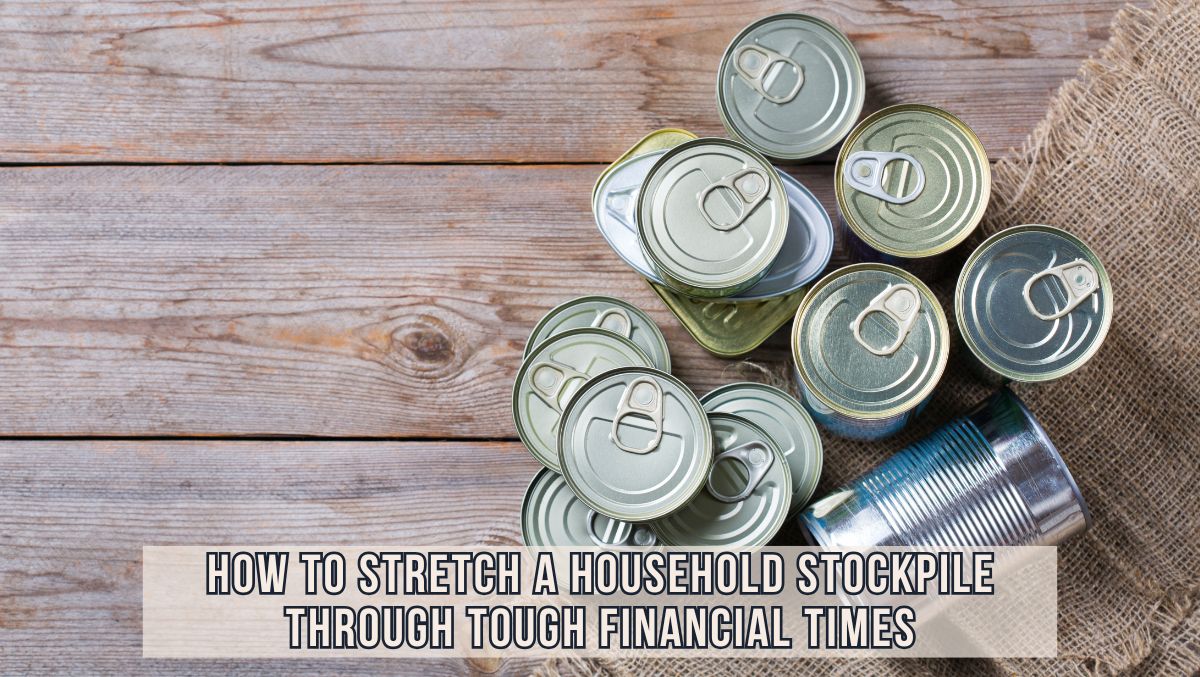
One of the biggest benefits of building a household stockpile is that it can help you weather difficult financial periods.
Whether you’re dealing with rising prices, reduced income, unexpected expenses or simply a tighter-than-usual budget, a stockpile can act as a financial buffer.
But when money gets tight, it’s important to use that stockpile more strategically than you usually do.
The goal isn’t to make it disappear in a month. The goal is to help it last long enough to provide meaningful relief while protecting your budget.
Here’s how to make your stockpile go further during tough financial times.
Use Your Stockpile on Purpose
Many people build a stockpile but hesitate to use it.
They continue shopping as usual while stockpiled items sit on shelves.
Remember why you built it.
If money is tight, this is exactly the type of situation your stockpile was meant to help with.
Instead of viewing it as an emergency-only resource, think of it as a tool to reduce pressure on your current budget.
Inventory What You Actually Have
If you don’t have an inventory of your stockpile, create one before making any more shopping decisions.
Remember to check:
- Pantry shelves
- Refrigerator
- Freezer
- Household supply storage areas around your home
You may have more food and supplies than you realize.
An inventory helps you:
- Avoid duplicate purchases
- Plan meals around what you already own
- Identify items that should be used first
Build Meals Around Your Stockpile
Instead of deciding what you want to eat and then shopping for ingredients, reverse the process.
Look at what you already have and build meals around it.
Examples:
- Use canned vegetables in soups and casseroles
- Build meals around stored rice, beans or pasta
- Use frozen meats before buying more
- Create “use-it-up” meals from odds and ends
This can significantly reduce grocery spending during difficult months.
Want MORE TIPS for Stretching Your Budget?
Get the free eBook with 226 simple money-saving tips — plus the Dollar Stretcher newsletter with practical, real-life ways to make a tight budget go further.
We value your privacy.
Unsubscribe anytime.
Stretch Higher-Cost Items
If your stockpile includes expensive items such as meat, poultry or convenience foods, look for ways to make them last longer.
Examples:
- Stretch meat with beans, rice or vegetables
- Use smaller portions of higher-cost ingredients
- Save leftovers intentionally
The goal is to extend the number of meals each item provides.
Protect Household Supplies Too
A stockpile isn’t just food.
It may also include:
- Laundry detergent
- Toilet paper
- Soap
- Cleaning products
- Personal care items
When money is tight, these supplies become even more valuable.
Avoid overuse and pay attention to how much product you’re using.
Small reductions in usage can help supplies last weeks longer.
About The Dollar Stretcher
The Dollar Stretcher shares practical ways to lower everyday costs, build steadier money habits and move from stuck to stable on a tight budget.
Learn more about how we can help you.
Get All 226 Money-Saving Tips—Free Download
You’ll also get our free newsletter each week. It’s full of useful ways to cut costs and stretch your dollars.
Don’t Fall Into “Stockpile Panic”
Sometimes people see a stockpile shrinking and immediately try to rebuild it.
That can create financial strain when money is already tight.
Remember: The purpose of a stockpile is to be used.
If you’re relying on it right now, that doesn’t mean you’re failing.
It means it’s doing its job.
Look for Ways To Reduce Consumption
One of the best ways to stretch a stockpile is simply to use less.
Examples:
- Smaller snack portions
- More intentional use of paper products
- Measuring detergent instead of guessing
- Serving appropriate food portions
Small changes add up over time.
How a Stockpile Protects Your Budget
A well-managed stockpile can replace:
- Full-price grocery purchases
- Emergency shopping trips
- Some short-term budget stress during difficult periods
That breathing room is one of the biggest reasons to build a stockpile in the first place.
Replenishing a Stockpile When the Budget Is Tight
When money is tight, focus on replenishing slowly and strategically.
A few simple rules can help:
1. Replace Essentials First
Start with the items your household uses most often.
These may include:
- Rice
- Pasta
- Beans
- Canned vegetables
- Toilet paper
- Laundry detergent
Don’t worry about rebuilding everything at once.
2. Replace What You Use, Not What Is on Sale
A sale isn’t a reason to buy something you rarely use.
Focus on rebuilding the items that genuinely support your household.
3. Add One or Two Items Per Shopping Trip
Rather than trying to rebuild an entire stockpile in one month, add a few items at a time.
Small, steady replenishment is easier on the budget.
4. Use Sales to Your Advantage
If a core stockpile item goes on sale and the budget allows, that may be the best time to replace it.
Just avoid turning every shopping trip into a stock-up trip.
5. Keep the Goal Realistic
During difficult financial periods, maintaining a smaller stockpile is perfectly acceptable.
A two-week supply of essentials can still provide significant peace of mind and budget flexibility.
TDS Takeaway: A Stockpile Is Meant To Help During Difficult Times
A stockpile isn’t a collection.
It’s not something that sits untouched forever.
Its purpose is to help your household through periods when money is tight, prices are high or life becomes unpredictable.
If you’re using your stockpile right now, that’s a sign that you planned ahead, not a sign you’re failing financially.
And by using it carefully and rebuilding it gradually, you can keep it serving your household for years to come.
Did this article help you save or stretch a few dollars or plug a financial leak? The Dollar Stretcher can help you make your dollars go even further.
Join the free Dollar Stretcher newsletter to get money-saving tips and articles delivered to your inbox each week, plus a copy of the 226 money-saving tips eBook — a reference you can use whenever money feels tight.
About the Author
Andrea Norris-McKnight is the Money-Saving Strategist behind The Dollar Stretcher.
She helps people on tight budgets cut everyday costs, build steadier money habits and create a little breathing room—without guilt, gimmicks, or unrealistic advice.
More Ways To Save

How a Household Stockpile Is Beneficial to Your Budget
Find out how even a small stockpile can help you save.

11 Foods You’ll Find in a Frugal Pantry
Here are six to consider and a list of frugal pantry foods to stock up on when they’re on sale.

Buying in Bulk: An Investment Anyone Can Afford

Foods Worth Buying in Bulk To Save Money + Storage Tips
Some foods are worth buying in bulk if you have the space and means to store them properly to prevent spoilage.
About The Dollar Stretcher
The Dollar Stretcher shares practical ways to lower everyday costs, build steadier money habits and move from stuck to stable on a tight budget.
Learn more about how we can help you.