
9 Foods Worth Buying in Bulk (and When To Buy Less)
A lower unit price only saves you money if you use what you buy. Here’s what’s worth stocking in your pantry or freezer and how to tell when the big package is too big for your household.
TDS Money-Saving Strategist: Andrea Norris-McKnight | posted November 2026

A 10-pound bag of rice can be a good buy if rice is on your table twice a week. A large bottle of olive oil might sit half full for months if you only use it for an occasional salad dressing.
The best foods to buy in bulk are the ones you already use, can store properly and can buy for less than you usually pay. And buying in bulk doesn’t have to mean bringing home a warehouse-size package. It can be as simple as buying six cans of tomatoes on sale instead of one.
Start With What You Already Buy
Look at what you’ve replaced more than once in the past month or two. That’s a better starting point than browsing the bulk aisle for bargains.
Compare the unit price with what you usually pay, including sales you can count on. Then ask how long it will take to finish the larger amount. If a pound of oats lasts you a month, a five-pound bag represents about five months of breakfasts or baking.
Knowing that makes it easier to decide whether the discount is worth the shelf space and the money you’ll spend today.
1. White Rice, Oats and Pasta
These are good first buys because they fit into many meals. Rice stretches a skillet dinner, oats can cover breakfast or baking and pasta gives you a quick meal when plans change.
Choose the varieties you already cook with. A sale on a grain you’ve never tried is a good reason to buy a small package first.
Keep opened packages in airtight food storage containers in a cool, dry spot. Be more conservative with brown rice, which has natural oils and doesn’t keep as long in the pantry as white rice.
2. Dried Beans and Lentils
Buy larger bags of the beans you already use in soups, chili and other meals. Lentils are a useful option if you like the savings of dried beans but often forget to soak them.
Store them in airtight containers away from heat and moisture. If you usually reach for canned beans because dinner needs to be ready quickly, keep some cans on hand. A big bag of dried beans won’t lower your food bill if you keep buying canned beans while it sits untouched.
3. Canned Goods You Reach for Every Week
Canned tomatoes, beans, tuna and vegetables are easy to stock without using freezer space. You can also buy exactly as many as your budget and shelves allow.
Check whether a case is cheaper per can than your supermarket’s sale price. If it contains more than you’ll use, buy individual cans on sale instead.
Store cans in a cool, dry place and put newer purchases behind older ones. For small households, several regular cans may be a better buy than one oversized can, even at a higher price per ounce. You can open just what you need for dinner.
I have very little pantry space, but I found a great storage solution that lets me build a stockpile of canned goods. I found an old dresser drawer (or you could cut a box down to about six inches high), and I put my extra canned goods in it. I used a Sharpie to note the contents and ‘Use By’ date on one end of each can so I can tell what’s inside without pulling all the cans out (for instance, ‘Corn, November 2027’).
Then I pushed the box of canned goods under our bed. With our dust ruffle, no one would ever notice our stash. I keep one of each can in our pantry, and once I use it, I replace it with one from under the bed.
C.
Want MORE TIPS for Stretching Your Budget?
Get the free eBook with 226 simple money-saving tips — plus the Dollar Stretcher newsletter with practical, real-life ways to make a tight budget go further.
We value your privacy.
Unsubscribe anytime.
4. Flour and Sugar You Bake With Regularly
A larger bag of all-purpose flour can make sense if you bake bread, make pizza dough or go through several bags during holiday baking. Sugar can be a good bulk buy if you use it steadily.
Have a clean, dry food storage container ready for the extra before bringing home a big paper bag. If you only bake occasionally, buy enough for the projects you have planned. Be especially selective with whole-wheat flour, which loses freshness faster than all-purpose flour.
5. Meat and Poultry You Can Portion Right Away
Family packs of ground beef, chicken thighs or pork chops can lower the cost of several meals if the price per pound is right.
Decide how many meals the package will cover before you buy it. Divide it into those portions when you get home, label each package and freeze what you won’t use soon. For longer freezer storage, rewrap meat in freezer packaging or add a protective outer layer to the original supermarket wrap.
When comparing cuts, think about how much usable meat you’re getting. A lower price per pound on a bone-in cut may still be a good buy, especially if you’ll use the bones for stock.
About The Dollar Stretcher
The Dollar Stretcher shares practical ways to lower everyday costs, build steadier money habits and move from stuck to stable on a tight budget.
Learn more about how we can help you.
Get All 226 Money-Saving Tips—Free Download
You’ll also get our free newsletter each week. It’s full of useful ways to cut costs and stretch your dollars.
6. Frozen Produce and Fresh Produce You Can Use in Time
A large bag of frozen peas, berries or mixed vegetables makes sense if you can take out what you need and reseal the rest. Compare it with smaller bags on sale. Buying several small bags at the same unit price lets you keep the extras sealed until you need them.
For fresh produce, have a plan for the whole purchase. If you buy a flat of berries, decide what you’ll eat fresh and freeze the rest while it’s still in good condition. Most fresh vegetables benefit from blanching before freezing, so check the directions for that vegetable and count the prep time before buying.
If you’re short on freezer space, stick with quantities you can eat fresh or look for a sale on canned produce you already use.
7. Nuts and Dried Fruit You Use in Several Ways
A larger bag can pay off if you put walnuts in oatmeal, use them in baking and snack on them regularly. The same goes for raisins or dried cranberries if they turn up in several meals or recipes.
Store dried fruit in a cool, dry cupboard in a tightly closed container, and follow the package directions. If you buy more nuts than you’ll use soon, divide the bag and freeze the extra in airtight portions. If you only need a handful for one recipe, see whether a store with bulk bins lets you buy just that amount.
8. Spices You Refill Often
Buying from a bulk spice bin can save money in two ways: You can refill a spice you use constantly or buy just enough of one you rarely need. You don’t have to buy a large amount to get the bulk price.
Cinnamon, chili powder or garlic powder might be worth refilling if they’re staples in your kitchen. For a spice you use once or twice a year, buy a small amount. Keep it tightly closed and away from the stove’s heat.
Bulk spices from places like Sam’s Club or BJ’s come in large containers and are often way too much for one household to use before they go stale. But they are much less expensive than the ones from the supermarket.
My daughters, my sisters, and I divide the large containers into smaller bottles (saved from when we used to buy from the supermarket), so we each get fresh spices for less.
Anita
9. Your Everyday Cooking Oil
A larger bottle of your regular cooking oil makes sense if you use it steadily. A specialty oil you use by the teaspoon is a different purchase.
Before going bigger, check how long it took you to finish your last bottle. Follow the label’s storage directions and keep oils meant for pantry storage tightly capped away from heat and light. Include the cost of a smaller bottle if you’d need to buy one just to make the bulk container easy to pour from.
How Much Does the Bigger Package Really Save?
Say a two-pound bag of rice costs $3.60 and a five-pound bag costs $7.50. At the smaller bag’s price per pound, five pounds would cost $9. The bigger bag saves you $1.50 if you use all five pounds.
If you use only four pounds and throw the rest away, you’ve paid about $1.88 per pound for the rice you ate. That’s more than the smaller bag’s $1.80 per pound. And you still had to spend an extra $3.90 at checkout.
Budget Level Savings: How Much Should You Buy in Bulk?
No need to tackle every tip at once. Start with the tips best suited for your budget.
If money is stretched and savings need to be meaningful:
Buy one or two extras when you can. If pasta or canned tomatoes are on sale and you have room in this week’s grocery budget, pick up an extra package or can.
Start with something you know you’ll use in the next few weeks. If the larger package would leave you short for other groceries, buy the smaller one and keep the cash available.
If you’re cutting back but still have some flexibility:
Stock up enough to get to the next sale. Set aside a small part of your grocery budget for deals on staples you use regularly.
If you go through a bag of oats every two weeks and a good sale usually comes around once a month, two bags may be all you need.
Check what you have at home before deciding how many to buy.
If you just want small, easy wins:
Go bigger where the savings justify the work. A case of canned tomatoes or a family pack of chicken can be worth buying if the price beats what you usually pay and you have room to store it.
Pick one or two foods you go through quickly, then see how long it takes to use them up. That will tell you more about what size to buy next time than the unit price alone.
Make Room for the Purchase Before You Shop
Check where the food will go and whether you have the right containers. Buying a set of storage bins to save a few dollars on flour may wipe out the savings from your first few purchases. Start with suitable containers you already own and label anything you repackage.
If money is tight this week, stock up on one staple you know you’ll use. An extra bag of rice or a few cans at a good price can lower a future grocery bill without crowding out what you need today.
Did this article help you save or stretch a few dollars or plug a financial leak? The Dollar Stretcher can help you make your dollars go even further.
Join the free Dollar Stretcher newsletter to get money-saving tips and articles delivered to your inbox each week, plus a copy of the 226 money-saving tips eBook — a reference you can use whenever money feels tight.
About the Author
Andrea Norris-McKnight is the Money-Saving Strategist behind The Dollar Stretcher.
She helps people on tight budgets cut everyday costs, build steadier money habits and create a little breathing room—without guilt, gimmicks, or unrealistic advice.
More Ways To Save

Don’t Lose Food (or Dollars) to This Freezer Mistake
Your freezer is supposed to save money. Here’s the simple fix that makes freezer food easier to grab, cook and actually eat.

Is a Warehouse Club Membership Worth It on a Tight Budget?
This quick guide explains when a warehouse club membership saves money and when it doesn’t

Why a Small Household Stockpile Can Save You Money and Stress
You don’t need a large inventory of household supplies, food or toiletries to see the benefits of stockpiling.
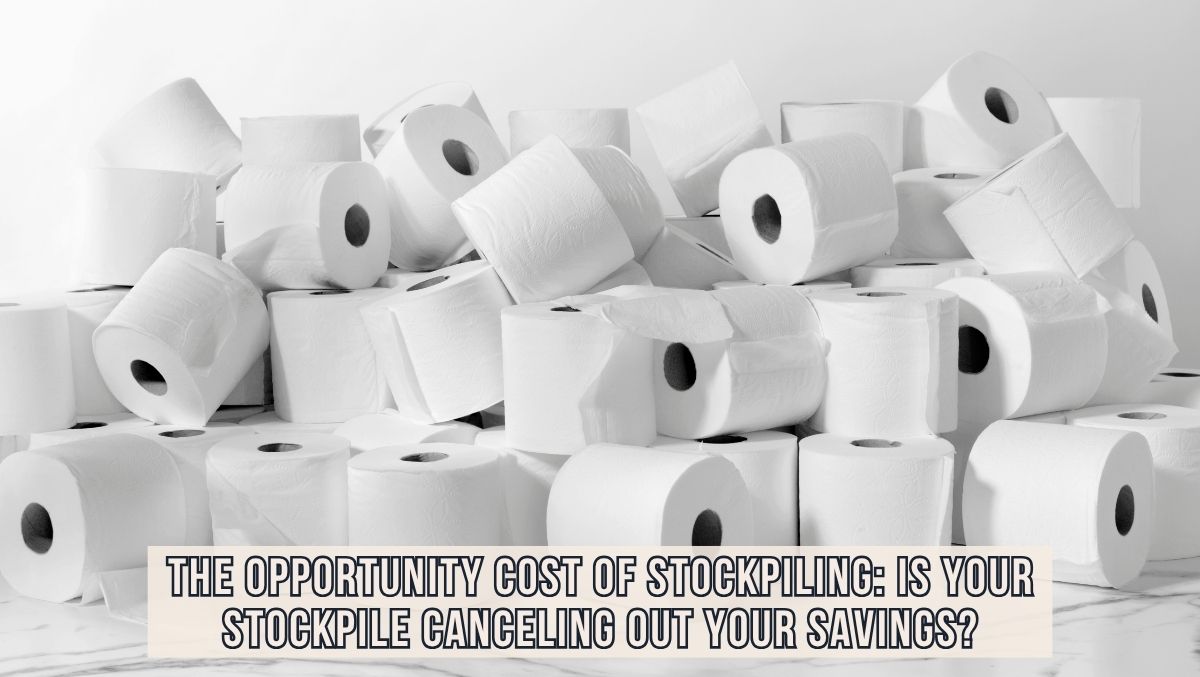
The Opportunity Cost of Stockpiling: Is Your Stockpile Canceling Out Your Savings?
There’s a point where buying more may work against your financial goals.
About The Dollar Stretcher
The Dollar Stretcher shares practical ways to lower everyday costs, build steadier money habits and move from stuck to stable on a tight budget.
Learn more about how we can help you.