
How To Prevent Freezer Burn—and What You Can Still Eat If It Happens
Freezer burn can turn a grocery bargain into a disappointing meal. These simple storage habits help protect your food, plus give you options for using safe food whose texture has suffered.
TDS Money-Saving Strategist: Andrea Norris-McKnight | posted September 2026
These tips may contain affiliate links. The Dollar Stretcher is an Amazon Associate and may earn a small commission if you purchase through a link, at no extra cost to you. Prices fluctuate, and featured products aren’t guaranteed to be the lowest price. As always, we recommend checking prices and buying only when it makes sense for your budget. Learn how we choose and recommend products.
You bought chicken at a good price, froze leftover soup or tucked away berries before they spoiled. Then you pulled them out and found dry patches, a coating of ice or food that no longer looked very appetizing.
Freezing food can help you save money, but it doesn’t protect quality indefinitely. Poor packaging and forgotten purchases can leave you with food you’re reluctant to eat.
Fortunately, preventing freezer burn usually takes a few simple habits rather than expensive equipment. And food that has already developed freezer burn doesn’t always need to go in the trash.
What Is Freezer Burn?
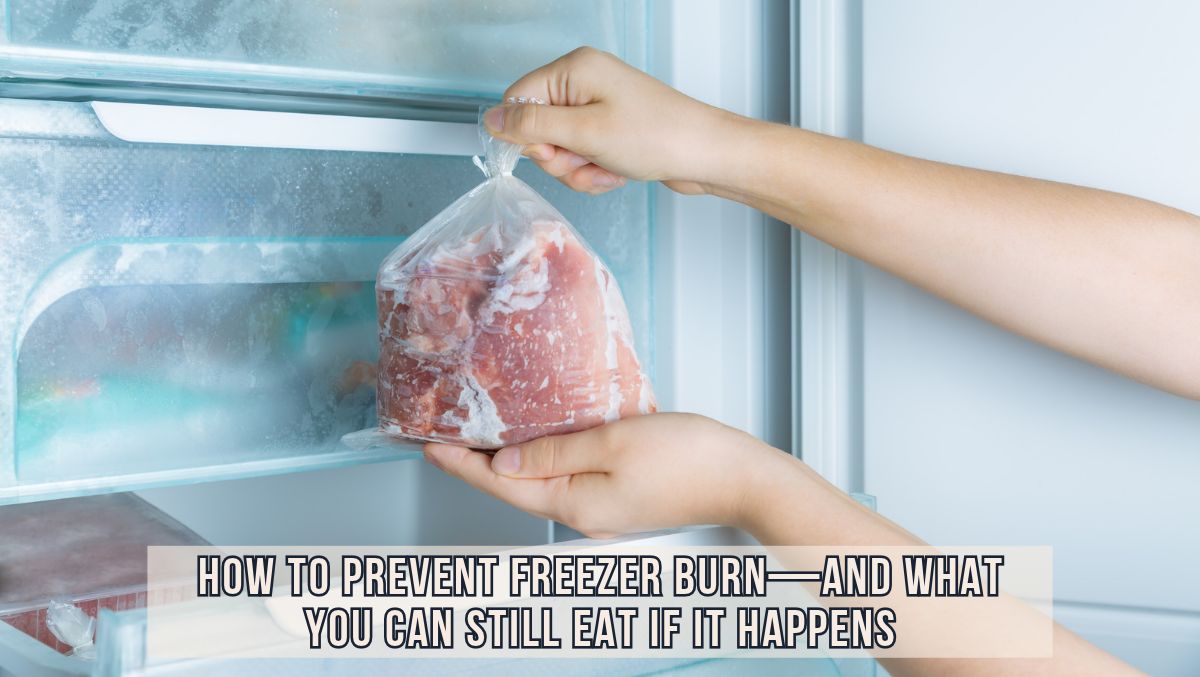
Freezer burn happens when frozen food loses moisture, leaving dry areas on its surface. Exposure to air contributes to the problem.
On meat and poultry, it may appear as pale or grayish-brown patches with a dry, leathery texture. Other foods may look shriveled or have dry, discolored areas.
Freezer burn itself does not make food unsafe. It affects quality, including flavor and texture. That distinction applies to food that was handled safely before freezing and stored safely. (Source: fsis.usda.gov)
Ice crystals inside a package can accompany quality changes, but ice alone doesn’t tell you whether food is safe or how much freezer burn it has.
Use Packaging That Protects Your Food
If you’ll freeze something for just a few weeks, a simple freezer zipper bag will work. If you’re planning to keep an item frozen for months, you’ll need to be more careful with packaging.
And a loosely closed bag may keep food from spilling, but it won’t do much to protect it from drying out.
Choose freezer bags, freezer paper or containers designed for freezing. These provide better protection against moisture loss than flimsy packaging. Remove as much air as practical from bags and seal them securely.
A few habits help:
- Press excess air from freezer bags before sealing.
- Use a container close to the size of the portion.
- Leave the recommended expansion space when freezing liquids.
- Check that lids and bag closures are fully sealed.
- Replace torn packaging promptly.
You don’t need a vacuum sealer to freeze food successfully. It may be useful if you regularly freeze large quantities, but start by improving how you use the packaging you already have.
Be Careful How You Save on Freezer Supplies
You’ll be tempted to save on supplies. You cannot reuse freezer paper. Some people reuse freezer bags, but they wash them and use them only with the same type of meat each time. Unless you’re committed to being very careful, it’s safer to use them only once.
A better way to save on supplies is to buy on sale and choose generic brands.
Freeze in Portions You Will Actually Use
A large package may seem convenient until you need only a small amount.
Divide food into meal-sized portions before freezing. This lets you take out what you need without repeatedly opening a larger package or thawing more food than you can use.
Think about how you cook. Ground beef might be useful in one-pound portions, while cooked chicken may work better in smaller amounts for soup, sandwiches or casseroles.
For leftovers, freeze both individual servings and family portions according to your household’s needs.
Want MORE TIPS for Stretching Your Budget?
Get the free eBook with 226 simple money-saving tips — plus the Dollar Stretcher newsletter with practical, real-life ways to make a tight budget go further.
We value your privacy.
Unsubscribe anytime.
Protect Opened Packages (Again)
Opening a bag changes how well it protects the remaining food.
After taking out vegetables, fruit or other frozen food, press out excess air and close the package tightly. If the original bag tears or won’t reseal properly, transfer the remaining food to a freezer bag or suitable container.
Don’t rely on a loosely folded top to protect something you won’t use for several weeks.
Check the Open Bags
Before your next grocery trip, check opened freezer packages. Reseal them properly and put one or two on this week’s meal plan. Using them now protects both your food and the money you spent on it.
Keep the Freezer Cold and Avoid Overloading It
The USDA recommends keeping your freezer at 0°F or below and using an appliance thermometer to check it.
Keep vents clear, close the door securely and follow the manufacturer’s loading instructions.
When freezing fresh purchases or prepared food, avoid adding more unfrozen food than the appliance can freeze efficiently. A large load can freeze slowly and reduce food quality. Spread out the work when necessary.
For cooked food, cool it promptly and safely in shallow containers in the refrigerator before freezing. Don’t leave a pot on the counter for hours while it cools.
About The Dollar Stretcher
The Dollar Stretcher shares practical ways to lower everyday costs, build steadier money habits and move from stuck to stable on a tight budget.
Learn more about how we can help you.
Get All 226 Money-Saving Tips—Free Download
You’ll also get our free newsletter each week. It’s full of useful ways to cut costs and stretch your dollars.
Label Food and Give It a Place in Your Meal Plan
Even well-packaged food can lose quality during long storage.
Label packages with the contents and freezing date. Move older food where you can see it and check your freezer before buying more.
An occasional freezer meal night can help you use:
- Older meat packages
- Opened bags of vegetables
- Small portions of cooked ingredients
- Leftover meals
- Fruit you froze for a recipe you never made
For recommended quality storage times, consult the FoodSafety.gov cold food storage chart. Food kept continuously at 0°F remains safe much longer than it necessarily remains enjoyable.
Common Freezer Burn Mistakes
- Leaving opened bags loosely folded
- Freezing meat for months without improving its packaging
- Leaving tray-frozen produce uncovered after it freezes
- Using oversized containers for small portions
- Buying more than you can rotate through
- Assuming every texture change means food is unsafe
- Assuming freezer burn explains away damage from unsafe thawing
Freezer Burn Prevention for Meat and Poultry
Meat can make up a substantial part of your grocery spending, so careful packaging is especially worthwhile.
Add Protection to Store Packaging
Supermarket meat wrapping allows air through. It is safe to freeze meat in that packaging, but for longer storage, USDA recommends adding an outer layer of suitable freezer wrapping or packaging to protect quality.
You can also divide a family pack and repackage it in meal-sized portions.
Keep wrapping snug against the food and avoid leaving large air pockets.
Protect Awkward Shapes
Bones and sharp edges can puncture bags. Check packages after wrapping and add suitable protection where needed.
If you discover a tear while the food is still frozen, rewrap it promptly.
Package Cooked Meat With Its Intended Meal in Mind
Storing cooked chicken with a little broth, or meat with an appropriate sauce, can be convenient for later meals. Use freezer-safe containers and allow room for liquids to expand.
This won’t repair existing freezer burn, but it can give you a ready-to-use ingredient for soup, chili or a casserole.
Freezer Burn Prevention for Produce
Good packaging matters for produce, but preparation also affects how well it holds up.
Start With Produce in Good Condition
Freezing preserves food; it doesn’t restore it.
Freeze fruit and vegetables while they are still good quality rather than waiting until they are close to spoiling. Decide how you’ll use them later so you can prepare useful portions.
Blanch Vegetables When Recommended
Many vegetables need blanching before freezing to help preserve flavor, color and texture. Blanching means briefly heating them in boiling water or steam, then cooling them rapidly.
Use instructions specific to the vegetable. The blanching time matters, and some vegetables require different preparation. Blanching protects quality, while proper packaging helps prevent freezer burn.
Follow tested guidance such as University of Minnesota Extension’s freezing instructions.
Drain Produce Well
After washing fruit or blanching and cooling vegetables, drain them well before packing.
For foods you want to remove by the handful, freeze prepared pieces in a single layer on a tray first. Transfer them to freezer packaging as soon as they are frozen. Leaving them uncovered on the tray exposes them to drying. ccetompkins.org
Expect Some Texture Changes
Some produce softens after freezing even when it has no freezer burn.
Frozen berries may work beautifully in a sauce but poorly as a fresh-looking garnish. Frozen peppers may suit cooked meals better than a crisp salad.
Choosing the right use prevents you from dismissing perfectly useful food as a failed purchase.
Freezer Burn Protection for Leftovers
If you are storing leftovers or a casserole, don’t just put it in a plastic container. Even though these containers are sealed, they still trap a lot of air, which can cause freezer burn.
If the food isn’t too messy, wrap it in plastic like you would meat before placing it in the plastic tub or box. If it is messy to wrap, go ahead and freeze it in the container. Once it is frozen, pop it out, wrap the frozen block in plastic, then reseal it and label it.
Does Freezer-Burned Food Really Need To Be Tossed?
Before discarding it, ask two questions:
- Was the food stored safely?
- Is the remaining quality good enough to use?
Freezer burn alone is a quality problem. Food that thawed and became too warm during an outage or freezer failure requires a separate safety decision. Cooking or adding sauce cannot make improperly stored food safe.
If storage was safe, USDA advises cutting away freezer-burned portions before or after cooking. Heavily affected food may still need to be discarded because its quality is poor. fsis.usda.gov
Don’t taste food to determine whether it is safe. If an outage or thawing incident occurred, consult the FoodSafety.gov power outage chart.
Alternate Uses for Safe Food With Mild Quality Damage
A different recipe can sometimes make food more useful when its texture no longer suits your original plan.
These ideas work best for mildly affected food after trimming damaged areas where practical. They won’t reverse freezer burn or reliably hide a strong off-flavor.
- Meat or poultry: Trim dry areas and use the remaining meat in soup, chili, pot pie or a sauced casserole rather than serving it as a plain chop or breast.
- Berries and other fruit: Cook into a sauce, compote or oatmeal topping. Use mildly affected fruit in muffins or quick breads where a firm texture isn’t needed.
- Vegetables: Add to soup, stew or a blended vegetable soup when their texture is less suitable for a simple side dish.
- Bread and rolls: Make breadcrumbs, croutons, French toast or bread pudding if the flavor remains acceptable.
- Cooked rice: Use in soup or a sauced casserole if it was cooled and stored safely and is only somewhat dry.
Try a Small Amount Before Committing More Ingredients
Once you know the food was stored safely, prepare a small amount to assess its quality. For meat or poultry, cook the sample safely before tasting.
If the flavor is unpleasant, don’t add it to a whole pot of soup and risk wasting the other ingredients.
Broth and sauces can make a dry ingredient more usable, but they don’t restore its original texture. Sometimes trimming leaves too little worthwhile food to justify the effort.
Budget Level Savings
No need to tackle every tip at once. Start with the tips best suited for your budget.
If money is stretched and savings need to be meaningful:
Prioritize tight seals, meal-sized portions and using older food. Spend on suitable freezer packaging that protects purchases you cannot afford to waste.
If you’re cutting back but still have some flexibility:
Keep freezer bags or containers on hand so you can package sale purchases and leftovers promptly. Maintain a simple inventory.
If you just want small, easy wins:
Consider a vacuum sealer if you freeze enough food to justify the equipment and ongoing bag costs. Good rotation still matters.
TDS Takeaway: Keep the Savings From Drying Out
Preventing freezer burn helps you get the meals you expected from food you already paid for.
Package it well, limit air exposure and use it regularly. If mild freezer burn does occur, check the storage history before deciding whether a different recipe can put the food to use.
The goal is to preserve useful food and avoid buying its replacement.
Did this article help you save or stretch a few dollars or plug a financial leak? The Dollar Stretcher can help you make your dollars go even further.
Join the free Dollar Stretcher newsletter to get money-saving tips and articles delivered to your inbox each week, plus a copy of the 226 money-saving tips eBook — a reference you can use whenever money feels tight.
About the Author
Andrea Norris-McKnight is the Money-Saving Strategist behind The Dollar Stretcher.
She helps people on tight budgets cut everyday costs, build steadier money habits and create a little breathing room—without guilt, gimmicks, or unrealistic advice.
More Ways To Save
Ways To Rescue Overcooked Meat Instead of Throwing It Away
Turn kitchen mistakes into money-saving meals.
How To Stretch Your Food Budget With the Freezer Space You Have
You don’t need a big freezer to get meaningful grocery savings.

How To Strategically Fill Up Your Freezer for the Biggest Savings
Here’s a better strategy for keeping your freezer comfortably full that can save you more than just electricity.

A Simple Fridge Clean-Out That Saves Food, Money and Energy
This simple routine keeps your fridge efficient and your grocery budget under control.
About The Dollar Stretcher
The Dollar Stretcher shares practical ways to lower everyday costs, build steadier money habits and move from stuck to stable on a tight budget.
Learn more about how we can help you.