
How To Waste Less Fresh Produce: A Simple 4-Step Plan
TDS Money-Saving Strategist: Andrea Norris-McKnight | posted July 2026
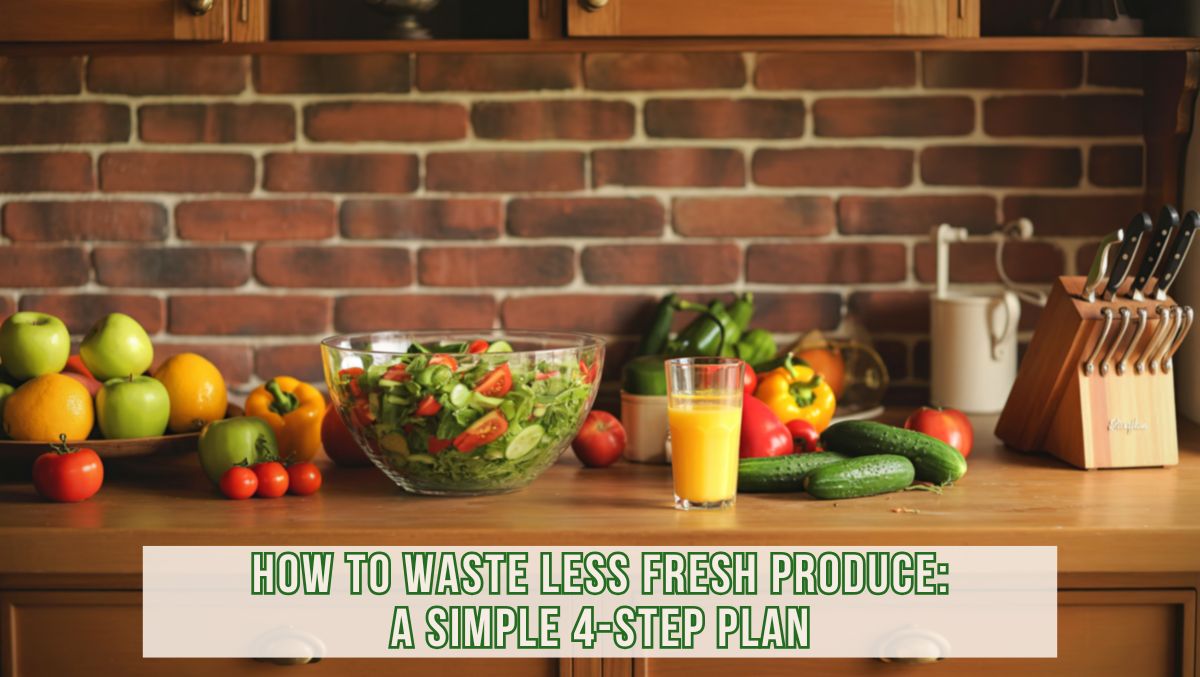
Fresh fruits and vegetables are among the healthiest purchases you can make—but they’re also among the easiest to waste.
It usually starts with good intentions.
You buy lettuce for salads, berries for snacks and vegetables for dinners throughout the week. Then schedules change, takeout happens or the meal plan doesn’t quite go as expected.
By the end of the week, the lettuce has wilted, the zucchini is soft and the berries have started growing mold.
That’s frustrating—not just because of the wasted food, but because of the wasted money.
But you don’t have to stop buying fresh produce to avoid waste. A simple plan can help you enjoy more fresh fruits and vegetables while throwing away far less.
Step 1: Buy Produce With a Plan
Before adding fresh produce to your cart, know exactly how you’ll use it.
Ask yourself:
- Which meals will include it?
- Will it be eaten as snacks?
- How many days will it need to stay fresh?
Plan to use the most perishable produce first, such as salad greens, berries, fresh herbs and mushrooms
Save longer-lasting items like carrots, cabbage and apples for later in the week.
Buying with a plan makes it much more likely that everything gets eaten.
Step 2: Have a Backup Plan
Even the best meal plans sometimes fall apart.
That’s where a backup plan comes in.
If you realize you won’t use produce before it starts to spoil, preserve it before it’s too late.
Many fruits freeze well, including:
- Bananas
- Strawberries
- Blueberries
- Peaches
- Grapes (great frozen for snacks)
Many vegetables can also be frozen for future cooking.
Depending on the vegetable, blanching may help preserve texture, but if you’re planning to use it in soups, smoothies or purees, you can often freeze it without that extra step.
The goal isn’t perfect preservation.
It’s preventing food—and money—from ending up in the trash.
Easy Ways To Use Frozen Produce Later
Frozen produce can become:
- Smoothies
- Soups
- Pasta sauces
- Stir-fries
- Omelets
- Casseroles
- Homemade vegetable broth
Even small amounts saved over several weeks can become the base for an inexpensive meal.
Step 3: Store Produce Properly
How you store produce makes a big difference in how long it lasts.
Some items belong:
- In the refrigerator
- On the countertop
- In a cool, dark pantry
Not every fruit or vegetable should be stored the same way.
It also helps to learn which fruits produce ethylene gas—a natural ripening gas that can shorten the life of nearby produce.
Taking a few minutes to learn proper storage for the fruits and vegetables you buy most often can add days—or even weeks—to their usable life.
Keep an Eye on What’s Ripening
A quick pantry and refrigerator check every couple of days can prevent surprises.
Look for produce that’s becoming very ripe and move it to the front where you’ll see it first.
This simple habit often prevents food from being forgotten until it’s too late.
Step 4: Give Leftovers a Second Life
Cooked vegetables don’t always reheat well on their own.
Instead of serving them exactly the same way, repurpose them.
Try adding leftover vegetables to:
- Soup
- Fried rice
- Pasta dishes
- Egg scrambles
- Quesadillas
- Pot pies
- Casseroles
You can also freeze many cooked vegetables for later use in soups or sauces.
Thinking in terms of “ingredient” rather than “leftover” opens up many more possibilities.
Keep a “Use First” Spot
Designate one shelf or bin in your refrigerator as the place for produce that should be eaten soon.
Whenever someone in the family is looking for a snack or planning dinner, they’ll know exactly where to look first.
It’s a simple trick that helps prevent forgotten fruits and vegetables from getting pushed to the back of the refrigerator.
TDS Takeaway: Fresh Produce Doesn’t Have To Be Risky
Many people buy less fresh produce because they’re afraid it will go bad before they can use it.
Instead of buying less, try planning a little more.
A meal plan, proper storage and a simple backup strategy can help you enjoy fresh fruits and vegetables while wasting very little.
Your family eats healthier, your grocery dollars go further and much less ends up in the trash.
How These Habits Can Help Your Budget
These habits can help replace:
- Throwing away spoiled produce
- Last-minute grocery trips
- Buying duplicate fruits and vegetables that you already have at home
Like many Dollar Stretcher strategies, each saved tomato or bag of spinach may not seem like much. But reducing produce waste week after week can noticeably lower your grocery bill over the course of a year.
About The Dollar Stretcher
The Dollar Stretcher shares practical ways to lower everyday costs, build steadier money habits and move from stuck to stable on a tight budget.
Learn more about how we can help you.
Get All 226 Money-Saving Tips—Free Download
You’ll also get our free newsletter each week. It’s full of useful ways to cut costs and stretch your dollars.
Did this article help you save or stretch a few dollars or plug a financial leak? The Dollar Stretcher can help you make your dollars go even further.
Join the free Dollar Stretcher newsletter to get money-saving tips and articles delivered to your inbox each week, plus a copy of the 226 money-saving tips eBook — a reference you can use whenever money feels tight.
About the Author
Andrea Norris-McKnight is the Money-Saving Strategist behind The Dollar Stretcher.
She helps people on tight budgets cut everyday costs, build steadier money habits and create a little breathing room—without guilt, gimmicks, or unrealistic advice.
More Ways To Save
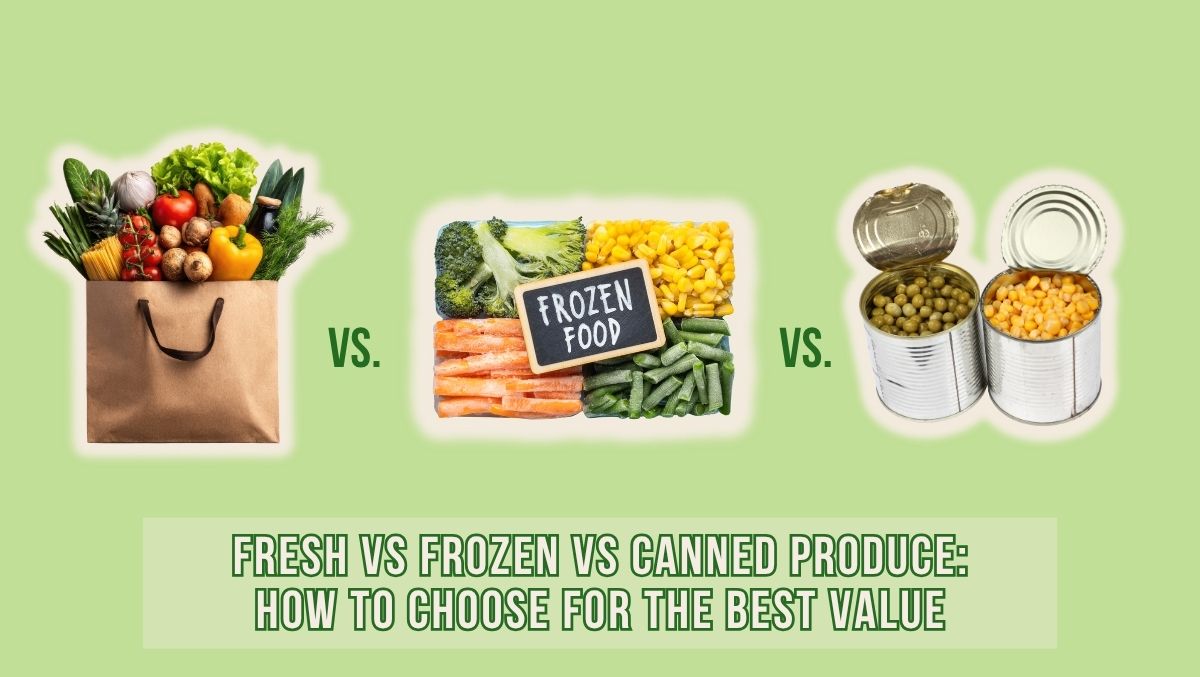
Fresh vs Frozen vs Canned Produce: How To Choose for the Best Value
Fresh isn’t always the best deal.

9 Practical Ways To Save on Produce
Buying fruits and vegetables doesn’t have to stretch your budget.

Waste Less, Save More: Clever Kitchen Reuses
These simple reuses may stretch your grocery budget and cut down on waste without extra effort.

7 Hidden Sources of Food Waste in Your Kitchen (and Potential Savings)
Here’s how to spot the “invisible” waste and keep more of your grocery money in your pocket.
About The Dollar Stretcher
The Dollar Stretcher shares practical ways to lower everyday costs, build steadier money habits and move from stuck to stable on a tight budget.
Learn more about how we can help you.