
7 Hidden Sources of Food Waste in Your Kitchen (and Potential Savings)
TDS Money-Saving Strategist: Andrea Norris-McKnight | posted February 2026

When most of us think about food waste, we picture a bag of spoiled lettuce or leftovers scraped into the garbage.
But a lot of food is wasted long before it ever reaches the trash can.
It disappears in smaller, quieter ways — and it still costs you money.
If you’re trying to trim your grocery bill, this is where some of the easiest savings are hiding.
1. The “Almost Finished” Containers in the Fridge
A spoonful of rice.
Two bites of pasta.
A thin layer of chili at the bottom of the container.
It doesn’t look like much. So it sits. Then it gets tossed.
You paid for every bite.
Stretch it instead:
- Combine small leftovers into a “buffet night.”
- Add bits of meat and vegetables to scrambled eggs or soup.
- Keep a “use-it-first” bin at eye level in your fridge.
Tiny amounts add up over a week.
Try these Creative Ways To Repurpose Leftovers.
2. The “It’s Probably Still Fine” Food You Don’t Check
A lot of food gets thrown out because of a date on the package — not because it’s actually bad.
“Best by” usually refers to quality, not safety.
That doesn’t mean ignore common sense. It does mean:
- Look at it.
- Smell it.
- Taste a small amount if it seems fine.
- Visit StillTasty.com to determine the real shelf life of specific foods.
Milk, yogurt, cheese and eggs often last longer than the printed date.
If you toss food every time the calendar says so, you’re likely throwing away usable groceries.
3. The Freezer Food You Forget You Have
Freezer burn isn’t typically dangerous. It’s dry and unappealing — and it often leads to food being thrown out.
Most freezer waste happens because:
- It wasn’t labeled.
- It got buried.
- You forgot it was there.
Quick fix:
- Label everything with a name and date.
- Keep a simple freezer list on the door.
- Plan at least one meal a week using only freezer items (depending on the size of your freezer).
You already paid for that food. Make it earn its keep.
And follow these guidelines for preventing freezer burn.
4. The “We’ll Eat Out Instead” Pivot
You planned tacos.
It’s been a long day.
You order takeout.
Now the taco meat sits in the fridge until it’s no longer usable.
That’s double spending: you paid for groceries and restaurant food.
A simple backup plan helps:
- Keep one ultra-easy freezer meal on hand.
- Designate one night as “anything goes.”
- Build meals that can slide by a day without spoiling.
Meal plans don’t fail because of food. They fail because life happens.
5. The Produce That Dies in the Drawer
Out of sight really does mean out of mind.
If your produce is in opaque drawers, you may not see it until it’s too late.
Try this:
- Move ready-to-eat produce to eye level.
- Prep fruits and vegetables the day you bring them home.
- Freeze bananas, peppers or spinach before they turn.
Also see these simple habits that can stop produce waste.
The Annual Cost of “Small” Food Waste
These don’t feel big in the moment. But look at the yearly total:
- $3 bag of spinach tossed weekly = $156 a year
- $4 pack of chicken wasted twice a month = $96 a year
- $5 freezer meal forgotten once a week = $260 a year
- $2 yogurt cups tossed twice a week = $208 a year
- $6 bagged salad thrown out weekly = $312 a year
None of these feel dramatic.
Together, they can quietly drain $500–$1,000+ from a grocery budget every year.
That’s real money — especially on a tight budget.
6. The Pantry Duplicates You Didn’t Realize You Bought
You pick up another jar of pasta sauce because you “might be low.”
You weren’t.
Buying duplicates isn’t waste in the trash. It’s waste in cash flow. That money could have stayed in your account.
A simple pantry reset every month prevents this:
- Pull everything forward.
- Group like items.
- Keep a short running list on your phone.
You don’t need an elaborate system. Just visibility.
7. The “We Don’t Eat That Anymore” Phase
Tastes change.
Kids grow out of their favorite snacks.
You switch eating styles.
Someone decides they’re cutting carbs.
Food that used to move fast now sits.
If you notice a shift:
- Stop restocking immediately.
- Donate unopened items quickly.
- Adjust your shopping list within one week.
Holding onto buying habits longer than your eating habits creates silent waste.
Want MORE TIPS for Stretching Your Budget?
Get the free eBook with 226 simple money-saving tips — plus the Dollar Stretcher newsletter with practical, real-life ways to make a tight budget go further.
We value your privacy.
Unsubscribe anytime.
About The Dollar Stretcher
The Dollar Stretcher shares practical ways to lower everyday costs, build steadier money habits and move from stuck to stable on a tight budget.
Learn more about how we can help you.
Get All 226 Money-Saving Tips—Free Download
You’ll also get our free newsletter each week. It’s full of useful ways to cut costs and stretch your dollars.
A Simple Weekly Food-Saving Reset
If you want one easy habit to cut down on hidden food waste, try the following.
Once a week (10–15 minutes):
- Check fridge leftovers.
- Scan the produce drawer.
- Glance at the freezer.
- Peek at pantry duplicates.
- Adjust next week’s meal plan accordingly.
That’s it.
No elaborate challenge. No extreme rules.
Just awareness.
TDS Takeaway: What Hidden Food Waste Really Costs
Most families don’t think they waste much food because they don’t see big bags going into the trash.
But the slow leaks — leftovers, produce, forgotten freezer meals, duplicate purchases — can easily cost $20 to $40 per week.
That’s $1,000 to $2,000 a year.
And it never feels dramatic.
It just quietly drains the grocery budget.
If you’re working hard to stretch every dollar, this is one of the least painful places to find savings.
You’re not eating less.
You’re just using what you already bought.
Did this article help you save or stretch a few dollars or plug a financial leak? The Dollar Stretcher can help you make your dollars go even further.
Join the free Dollar Stretcher newsletter to get money-saving tips and articles delivered to your inbox each week, plus a copy of the 226 money-saving tips eBook — a reference you can use whenever money feels tight.
About the Author
Andrea Norris-McKnight is the Money-Saving Strategist behind The Dollar Stretcher.
She helps people on tight budgets cut everyday costs, build steadier money habits and create a little breathing room—without guilt, gimmicks, or unrealistic advice.
More Ways To Save
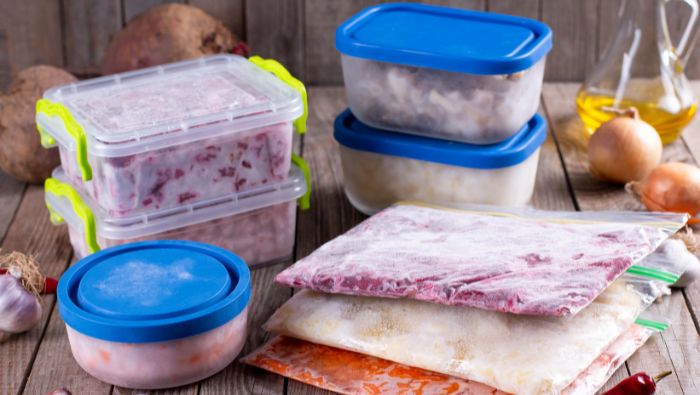
Food Storage Tips for the Pantry, Fridge and Freezer
When it comes to proper food storage and kitchen organization, attention to detail can help you cut food waste almost entirely.

8 Refrigerator Mistakes That Can Cost You Money
See if you’re making any of these costly fridge faux pas.

The Year-Round Money-Saving Benefits of a Pantry Challenge
The financial benefits extend far beyond one month of savings on grocery bills.
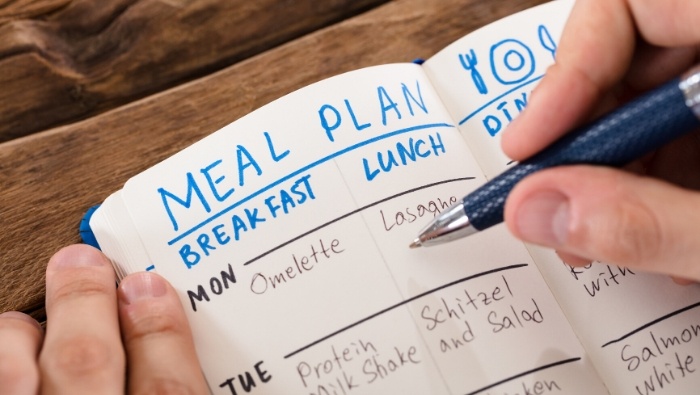
Meal Planning Around Leftovers To Stretch the Food Budget
Meal planning and using up leftovers are two great ways to reduce grocery expenses. Why not combine the two?
About The Dollar Stretcher
The Dollar Stretcher shares practical ways to lower everyday costs, build steadier money habits and move from stuck to stable on a tight budget.
Learn more about how we can help you.