
How To Save Money on Cooking Oils, Fats and Butter Without Wasting a Drop
Cooking oil, butter and other fats are kitchen staples that can quietly add to your grocery bill. These practical tips can help you buy them for less, keep them fresh longer, safely reuse certain cooking fats and avoid using more than you need.
TDS Money-Saving Strategist: Andrea Norris-McKnight | posted October 2026
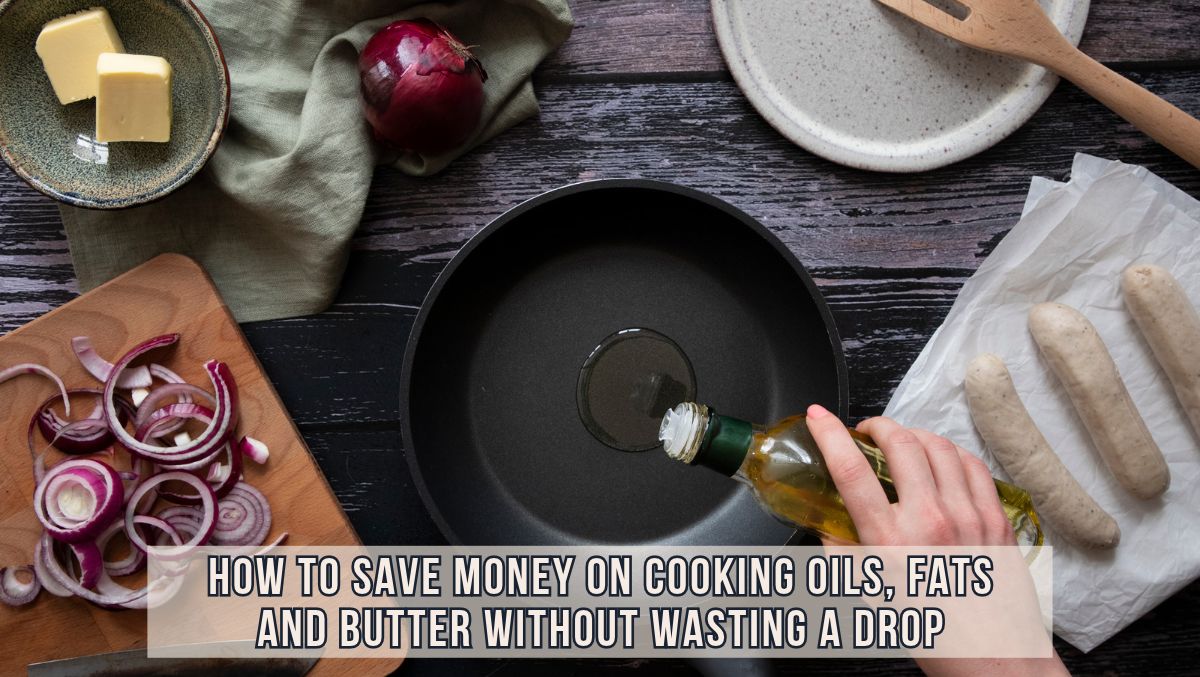
Cooking oil and butter aren’t usually the most expensive items in your grocery cart, but you may use small amounts of them almost every day.
Those small amounts add up, especially when prices rise.
And because these are ingredients we often use without measuring, it’s easy to go through them faster than necessary.
Fortunately, saving on cooking oils and fats doesn’t mean giving them up or sacrificing your meals’ quality.
It comes down to four things: buying wisely, storing properly, reusing what you safely can and using only as much as the job requires.
Buy Smart: Save Money Before You Start Cooking
One of the easiest ways to save on cooking oils, fats and butter is to make better choices at the grocery store. Comparing unit prices, choosing versatile products and stocking up selectively when prices are low can help you spend less without sacrificing quality. The key is to buy what your household actually uses, in quantities you can finish before they go bad.
Here are some ways to get more value from these kitchen staples.
Compare Unit Prices, Not Just Bottle Prices
Cooking oils come in many sizes, and the largest bottle isn’t always the best deal.
Compare prices per fluid ounce when choosing between brands and sizes. Store brands can offer good value, especially for everyday cooking oils.
But don’t assume a large container is automatically the better buy. If you use oil slowly, a smaller bottle may be more economical because you’re more likely to finish it before its quality deteriorates.
Money-saving tip: Compare the price of the oil you actually use, not just the least expensive oil on the shelf. An inexpensive oil that doesn’t work well for your cooking needs isn’t necessarily a bargain.
Choose an Everyday Oil That Handles Several Jobs
You don’t necessarily need a different cooking oil for every recipe.
A versatile neutral oil, such as canola or vegetable oil, can work for many everyday cooking tasks, including sautéing, roasting and baking. Olive oil may also serve several purposes, depending on your cooking preferences.
Instead of keeping five or six different oils on hand, consider whether one or two could handle most of your household’s cooking.
Specialty oils can be useful, but if you buy them for a single recipe and rarely use them again, they can become expensive pantry clutter. Ask yourself: Does this oil add a specific flavor or function, or is it simply providing cooking fat?
That distinction can help you decide where a less expensive substitution makes sense.
The savings: Fewer partially used bottles mean less money tied up in ingredients that may eventually go rancid.
Compare Butter Prices by the Pound
Butter packaging can make prices harder to compare. Some products come in traditional one-pound packages, while others come in smaller packages or different forms.
Check the actual weight and unit price rather than comparing package prices alone.
Also pay attention to whether you’re buying butter, a butter blend or a spread. These products aren’t necessarily interchangeable, particularly in baking.
Store-brand butter may offer savings without requiring you to change your recipes.
Want MORE TIPS for Stretching Your Budget?
Get the free eBook with 226 simple money-saving tips — plus the Dollar Stretcher newsletter with practical, real-life ways to make a tight budget go further.
We value your privacy.
Unsubscribe anytime.
Store Cooking Oils and Butter Properly To Prevent Waste
A good purchase price doesn’t save much if the product spoils before you use it.
Oils and fats can deteriorate when exposed to heat, light, air and time. A few storage habits can help protect what you’ve purchased.
Refrigerate Butter You’re Not Using Soon
Generally, store butter in the refrigerator.
Keep it well wrapped so it doesn’t absorb odors from other foods.
If you prefer softened butter for spreading, you can take out a small amount shortly before using it rather than leaving your entire supply at room temperature.
Follow the storage instructions on the packaging for butter and butter spreads, since formulations differ.
Freeze Your ‘Stockpiled’ Butter
Butter is a cooking staple worth buying ahead when the price is especially good. It freezes well, so you can take advantage of a sale without using it all right away.
Keep butter in its original wrapping, and place it in a freezer-safe bag or other protective packaging if you’re storing it long-term. For best quality, aim to use frozen butter within about six to nine months.
Thaw it in the refrigerator when you’re ready to use it.
Don’t overstock: Buying ten pounds of butter isn’t necessarily frugal if your household uses only a few pounds a year. Stock up according to your actual consumption and available freezer space.
Check Sales Before You Run Out
Keep a rough record of what you normally pay for:
- Everyday cooking oil
- Butter
- Any other cooking fat you purchase regularly
When a genuine sale comes along, you can buy an extra package or two if your budget and storage space allow.
The goal is to avoid paying full price unnecessarily, not to accumulate more than you’ll use.
Keep Cooking Oils Away From Heat and Light
The cabinet directly above or beside the stove may be convenient, but it isn’t necessarily the best place to store oil. Heat and light can accelerate deterioration.
Store most everyday cooking oils tightly closed in a cool, dark cabinet away from the stove, oven and direct sunlight.
Follow the label for any oil that requires refrigeration after opening.
If you buy a large container, keep a smaller amount in a clean, suitable bottle for everyday use, and store the main container in a cooler location. This can make pouring easier and reduce repeated exposure of the larger supply to air.
TDS Tip: Unlike some pantry staples, cooking oil doesn’t improve with age. Over time, it can become rancid. If you use only a small amount of oil each week, the giant warehouse-size bottle may not be the best purchase. A lower unit price is helpful only if you use the oil before its quality declines.
How Can You Tell if Oil Has Gone Bad?
Rancid oil may develop an unpleasant smell or taste, sometimes described as stale, bitter, paint-like or crayon-like.
If an oil smells or tastes noticeably off, discard it. Don’t try to rescue rancid oil by cooking with it or mixing it with fresh oil.
Protect Shortening and Other Solid Fats
Vegetable shortening and other solid cooking fats also need proper storage.
Keep them tightly covered and follow the package directions.
Use clean utensils when removing portions to avoid introducing crumbs, moisture or other contaminants.
If a fat develops an unusual odor, color or texture, don’t assume it’s still good simply because it hasn’t reached the date on the package.
Safely Reuse Cooking Oil and Bacon Grease
One way to stretch cooking fats is to get more than one use from them when it’s safe and practical.
But not every used cooking fat should be saved.
How the fat was heated, what was cooked in it and how it was handled all matter.
Reuse Frying Oil Only When It’s Still in Good Condition
You can sometimes reuse frying oil, especially if it hasn’t been overheated or heavily contaminated with food particles.
However, oil deteriorates with each heating cycle.
Before saving it:
- Let the oil cool completely.
- Strain out crumbs and food particles using a fine strainer or suitable filter.
- Transfer it to a clean, dry, food-safe container.
- Cover it tightly and refrigerate it for short-term storage.
- Label the container so you know what it was used for.
Inspect the oil before reusing it. Discard oil that smells unpleasant, looks unusually dark or thick, foams excessively or begins smoking at a lower temperature than expected.
There isn’t a universally safe number of times you can reuse oil. Its condition and previous use matter more than a fixed count.
Important: Never add water to hot cooking oil or pour hot oil into a container that could crack or melt.
Keep Reused Oil for Similar Foods
Cooking oil can pick up flavors and odors from the food prepared in it. Oil used to fry fish, for example, may not be ideal for frying doughnuts.
If you’re saving oil, label it according to its previous use.
You may find it practical to reuse oil for similar savory foods rather than trying to make it work for everything.
Avoid saving oil that has become heavily contaminated, especially oil with substantial food residue or moisture. When in doubt, discard it rather than trying to stretch it one more time.
Save Bacon Grease for Future Cooking
Bacon grease can add flavor to many dishes, which means you may be able to use a small amount in place of another cooking fat.
Some possible uses include:
- Sautéing onions
- Cooking potatoes
- Seasoning cooked beans
- Cooking cabbage or greens
- Adding flavor to savory dishes
- Greasing a skillet for certain recipes
Because bacon grease has a pronounced flavor, you may need only a little.
How To Store Bacon Grease Safely
Allow the grease to cool enough to handle safely, but strain it while it is still liquid. Remove bacon bits and other food particles.
Transfer the strained grease to a clean, dry, heat-safe container and refrigerate promptly.
For longer storage, freeze it in small portions.
Avoid the old practice of keeping a jar of bacon grease beside the stove at room temperature. Refrigeration or freezing is the safer choice for home-collected bacon grease.
Use refrigerated grease within a few weeks for best quality and discard it sooner if it develops an off odor, visible mold or other signs of spoilage.
Don’t repeatedly add warm grease to older grease in the same container. Store fresh batches separately so you can track their age and avoid repeatedly warming the existing supply.
Don’t Save Every Bit of Used Fat
Reusing cooking fat can save money, but the savings are usually modest.
It isn’t worth taking unnecessary food-safety risks to avoid using another tablespoon of oil.
Discard cooking fat when it has been overheated, contaminated or shows signs of deterioration. And never pour used grease down the drain. It can solidify in plumbing and contribute to costly clogs.
Let unwanted grease cool, place it in a suitable disposable container and discard it according to local waste guidelines. Larger quantities of used cooking oil may be accepted by local recycling programs.
Use Less Oil, Butter and Fat Without Sacrificing Your Meals
For many households, the easiest savings may come from using a little less each time rather than finding a dramatically cheaper product. You simply want to avoid using more than the recipe or cooking method requires.
Measure Oil Instead of Pouring Directly From the Bottle
A quick pour can easily add more oil than you intended.
Try measuring a tablespoon or teaspoon when cooking. You may discover that a smaller amount works just as well.
For perspective: A tablespoon contains three teaspoons.
If you routinely use a tablespoon of oil for a task that works just as well with two teaspoons, you’re reducing the amount used by one-third.
Use a Brush To Distribute Oil Evenly
Sometimes you don’t need more oil. You just need to spread it better.
A small kitchen brush can distribute a thin layer of oil over:
- Vegetables before roasting.
- Baking pans.
- Skillets.
- Bread or pastry surfaces.
You can also use a paper towel to coat a cool pan with a small amount of oil, though a reusable brush avoids the recurring paper towel expense.
Match the Amount of Oil to the Pan and Cooking Method
A larger pan may require more oil to coat the cooking surface.
Using a properly sized pan can help avoid unnecessary oil.
For certain foods, baking, roasting, steaming or using a covered pan with a little liquid may require less oil than frying.
Use a Small Amount of Butter Where You’ll Taste It Most
Butter adds flavor, but you don’t always need more.
For example, you may be able to use a smaller amount when:
- Buttering toast.
- Finishing cooked vegetables.
- Flavoring potatoes.
- Adding butter to cooked rice.
Adding a small amount of butter at the end of cooking may give you the flavor you want without using as much throughout the process.
This approach is especially useful when butter is being added for taste rather than performing an essential function in a recipe.
Don’t Automatically Grease Every Pan
Some recipes need a well-greased pan. Others don’t.
Silicone baking mats, parchment paper and suitable nonstick bakeware can sometimes reduce the need for additional cooking fat.
But follow the recipe and cookware instructions. Greasing can affect browning, release and texture, so skipping it isn’t always a good substitute.
And remember that parchment paper is a consumable. Using it to save a teaspoon of oil isn’t necessarily cheaper unless it offers another benefit, like easier cleanup or preventing food from sticking.
Be Careful About Reducing Fat in Baking
Cooking fats don’t just prevent sticking. In baked goods, they may contribute to:
- Texture.
- Moisture.
- Tenderness.
- Flavor.
- Structure.
Reducing butter or oil too aggressively can produce disappointing results and wasted ingredients.
If you’re experimenting with lower-fat baking, start with recipes designed for that purpose rather than making major changes to a recipe that relies heavily on fat.
Wasting a batch of muffins to save two tablespoons of oil isn’t much of a bargain.
About The Dollar Stretcher
The Dollar Stretcher shares practical ways to lower everyday costs, build steadier money habits and move from stuck to stable on a tight budget.
Learn more about how we can help you.
Get All 226 Money-Saving Tips—Free Download
You’ll also get our free newsletter each week. It’s full of useful ways to cut costs and stretch your dollars.
Use Cooking Fat for More Than One Step of a Meal
Sometimes you can get more use from a small amount of cooking fat without adding more. For example, after cooking bacon, a little rendered fat may be enough to sauté onions for the same dish.
Or you might sauté vegetables in a little oil before adding other ingredients.
The idea isn’t to save fat from every cooking task. It’s to notice when a small amount already in the pan can perform another useful job.
Use proper food-safety practices, especially when the pan has held raw meat or poultry, and don’t reuse fat that has burned or deteriorated.
Avoid Using Extra Oil To Compensate for Cooking Problems
Sometimes adding more oil doesn’t solve the problem. Food may be sticking because:
- The pan isn’t properly preheated.
- The temperature is too high or too low.
- The cookware isn’t suited to the task.
- The pan is overcrowded.
- The food needs more time before you turn it.
Learning how your cookware performs can help you avoid automatically reaching for more oil whenever something sticks.
You may save a little cooking fat while getting better results.
Don’t Let Saving a Little Fat Cost You More Elsewhere
Like many money-saving habits, stretching cooking oils and butter can go too far.
Don’t buy a specialty gadget simply to save a few teaspoons of oil unless you’ll use it enough to justify the cost. Don’t risk ruining a recipe by eliminating an ingredient that serves an important purpose. Don’t reuse questionable frying oil to avoid opening a fresh bottle.
And don’t buy a gallon of oil simply because it has the lowest unit price if you can’t use it while it’s still fresh.
The goal is to lower the cost of the food you actually eat, not just use the smallest possible amount of cooking fat.
Budget Level Savings: Start With the Savings That Cost Nothing
No need to tackle every tip at once. Start with the tips best suited for your budget.
If money is stretched and savings need to be meaningful:
Begin by measuring oil, using smaller amounts when appropriate, comparing store brands and preventing waste through proper storage. If you already cook bacon, save bacon grease safely and use it in future meals.
If you’re cutting back but still have some flexibility:
Take advantage of good butter sales, keep a simple price list, and consider buying larger containers of frequently used oils when the savings are meaningful and you can use them up while they’re fresh.
If you just want small, easy wins:
You may choose to keep specialty oils or premium butter for recipes where they make a noticeable difference. Use less expensive everyday products for routine cooking when appropriate.
TDS Takeaway: Small Amounts Can Add Up
You probably won’t cut your grocery bill dramatically by using one less teaspoon of oil at dinner.
But cooking fats are ingredients you buy again and again.
- A little less waste.
- A better purchase price.
- A bottle that stays fresh until it’s empty.
- Butter purchased on sale instead of at full price.
- Bacon grease used to flavor another meal instead of automatically reaching for a different fat.
These are small savings that can repeat week after week.
And unlike complicated money-saving strategies, many require very little extra effort.
The goal isn’t to cook with as little oil or butter as possible. It’s to get the most useful value from every bottle, stick and spoonful you buy.
Did this article help you save or stretch a few dollars or plug a financial leak? The Dollar Stretcher can help you make your dollars go even further.
Join the free Dollar Stretcher newsletter to get money-saving tips and articles delivered to your inbox each week, plus a copy of the 226 money-saving tips eBook — a reference you can use whenever money feels tight.
About the Author
Andrea Norris-McKnight is the Money-Saving Strategist behind The Dollar Stretcher.
She helps people on tight budgets cut everyday costs, build steadier money habits and create a little breathing room—without guilt, gimmicks, or unrealistic advice.
More Ways To Save

The Best Budget Spices To Keep in Your Kitchen (and Ones You May Want To Skip)
A few versatile spices can make budget meals taste much better.

9 Excellent Ways To Save on Eggs
Discover savvy ways to save on eggs, including smart shopping and storage tips, bulk buying benefits and some tasty egg substitutes.

Going Beyond Coupons To Save in the Dairy Department
Sometimes it isn’t as easy to save in the dairy department as in other grocery store sections.
12 Simple Ways To Save Money on Meat and Poultry
Meat is one of the most expensive parts of the grocery budget. These simple strategies can help you save.
About The Dollar Stretcher
The Dollar Stretcher shares practical ways to lower everyday costs, build steadier money habits and move from stuck to stable on a tight budget.
Learn more about how we can help you.