
Budget-Friendly Ways To Help Keep Bugs Out of Your Home
TDS Money-Saving Strategist: Andrea Norris-McKnight | posted May 2026

Keeping bugs out of your home is about more than comfort.
Pests can damage property, contaminate food and become expensive to remove once they settle in.
Thankfully, bug prevention doesn’t always require costly treatments or ongoing pest-control contracts.
Many of the most effective strategies are simple and inexpensive, and may even help lower energy costs at the same time.
Here are practical ways to make your home less inviting to unwanted pests.
Seal Gaps and Cracks
Small openings around your home can act like welcome signs for insects.
Check for gaps around:
- Windows
- Doors
- Utility pipes
- Foundation areas
- Exterior siding
Caulk or expandable foam can help seal these entry points and, as a bonus, may also reduce air leaks that raise heating and cooling costs.
Install or Replace Door Sweeps
The gap beneath exterior doors is one of the easiest entry points for bugs.
Door sweeps are inexpensive and can also help reduce drafts that impact energy bills.
Repair Window and Door Screens
Screens only work when they’re intact.
Periodically inspect:
- Window screens
- Screen doors
- Porch screens
Repair small tears promptly or replace damaged screens before bugs become a problem.
Want MORE TIPS for Stretching Your Budget?
Get the free eBook with 226 simple money-saving tips — plus the Dollar Stretcher newsletter with practical, real-life ways to make a tight budget go further.
We value your privacy.
Unsubscribe anytime.
Control Moisture Around the Home
Many pests are attracted to damp conditions.
Moisture problems may encourage:
- Roaches
- Silverfish
- Mosquitoes
- Certain types of ants
Check for:
- Plumbing leaks
- Standing water
- Damp basements or crawl spaces
- Poor bathroom or laundry ventilation
Fixing moisture problems may help prevent pests while also protecting your home from mold and water damage.
One of the best purchases we ever made: a dehumidifier for the basement. In just a couple of weeks, most of our munching/crawling insect population had vanished! In our humid summer, the roaches and centipedes were eating holes in boxes, the papers stored inside, etc.
The dehumidifier’s impact was even noticeable two stories up. Fewer insects up there, too.
Nancy
Keep Kitchens and Eating Areas Clean
Bugs are often looking for two things:
Food and water.
Keeping food preparation and eating areas clean can make your home much less appealing.
Focus on:
- Sweeping crumbs
- Wiping counters
- Cleaning spills quickly
- Vacuuming regularly
- Keeping pet food areas clean
This doesn’t require perfection—just consistency.
About The Dollar Stretcher
The Dollar Stretcher shares practical ways to lower everyday costs, build steadier money habits and move from stuck to stable on a tight budget.
Learn more about how we can help you.
Get All 226 Money-Saving Tips—Free Download
You’ll also get our free newsletter each week. It’s full of useful ways to cut costs and stretch your dollars.
Store Food Properly
Food storage matters as much as cleaning.
Keep pantry items in sealed containers whenever possible.
This can help protect foods like:
- Flour
- Cereal
- Pasta
- Pet food
- Snacks and baking ingredients
Covered trash containers and regular garbage removal also help reduce attraction.
Don’t Overlook Clutter
Clutter creates hiding places for pests.
This is especially true in:
- Garages
- Closets
- Basements
- Storage rooms
Stacks of paper, cardboard or unused items can provide shelter for insects and make early infestations harder to spot.
You don’t need a perfectly organized house—just fewer places for bugs to settle.
Maintain Landscaping Near the House
Your yard can influence what ends up inside.
Overgrown landscaping may give pests easier access to your home.
Try to:
- Trim bushes and shrubs away from siding
- Keep tree branches from touching the roof
- Remove leaf piles and yard debris
- Avoid storing firewood directly against the house
Reducing outdoor hiding spots may lower indoor pest problems.
Try Natural Deterrents
Some homeowners use natural repellents as part of their prevention strategy.
Examples include:
- Mint
- Basil
- Lavender
- Certain essential oils
Results vary, but these may help discourage some insects when used alongside other prevention methods.
Natural deterrents work best as part of a larger bug-prevention plan—not as the only solution.
Know When DIY Works—and When It Doesn’t
Prevention is usually cheaper than pest removal.
And many smaller pest problems can sometimes be handled with DIY approaches.
But if you’re dealing with:
- Recurring infestations
- Structural pests
- Large pest populations
- Problems that keep returning
it may be worth consulting a pest-control professional.
Addressing a serious infestation early is often cheaper than waiting.
TDS Takeaway: Small Prevention Steps Often Work Best
Bug-proofing doesn’t have to happen all at once.
A few inexpensive habits and repairs can make your home much less inviting to pests over time.
And when prevention becomes part of regular home maintenance, you may spend less time and money dealing with bugs—and more time enjoying a cleaner, more comfortable home.
Did this article help you save or stretch a few dollars or plug a financial leak? The Dollar Stretcher can help you make your dollars go even further.
Join the free Dollar Stretcher newsletter to get money-saving tips and articles delivered to your inbox each week, plus a copy of the 226 money-saving tips eBook — a reference you can use whenever money feels tight.
About the Author
Andrea Norris-McKnight is the Money-Saving Strategist behind The Dollar Stretcher.
She helps people on tight budgets cut everyday costs, build steadier money habits and create a little breathing room—without guilt, gimmicks, or unrealistic advice.
More Ways To Save
Affordable Do-It-Yourself Pest Control
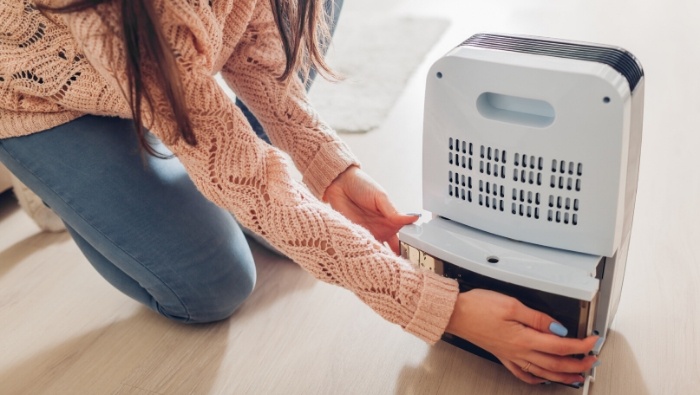
Is Too Much Moisture In Your Home Costing You?
We demystify dehumidifiers while exploring sources of humidity that could be damaging your home and health and costing you money.
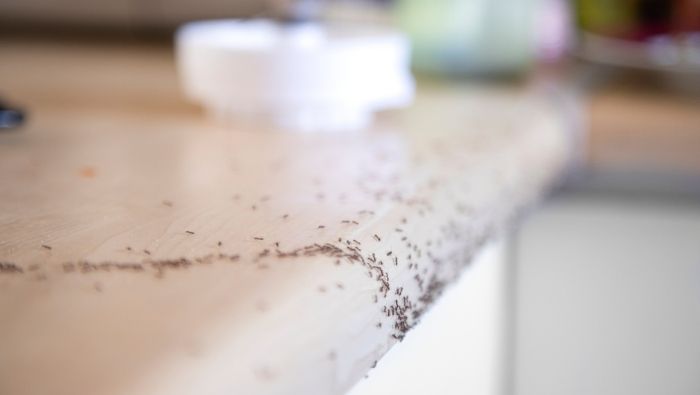
Inexpensive All-Natural Ant Repellent Safe for Indoor Use
Are you fighting an ant invasion in your home?
Natural Roach Remedies (Effective and Affordable)
Are you desperate to get rid of roaches? Without using a lot of chemicals or cash?
About The Dollar Stretcher
The Dollar Stretcher shares practical ways to lower everyday costs, build steadier money habits and move from stuck to stable on a tight budget.
Learn more about how we can help you.