
How a 30-Day Decluttering Challenge Can Help You Save Money
TDS Money-Saving Strategist: Andrea Norris-McKnight | posted March 2026

The popular 30 Bags in 30 Days challenge has been circulating online for years, and for good reason. It’s a simple way to stay motivated while cleaning out and organizing your living space.
The challenge works like this: each day for a month, you fill one bag with items you no longer need. The bags can be big or small, and the items can range from old clothes and linens to expired pantry goods or that tangle of cords hiding in a drawer. At the end of the month, you’ll have 30 bags ready to donate, recycle or toss—and noticeably more room in your closets, drawers, garage and storage areas.
So how does a challenge that has nothing to do with money end up helping your finances? Here are five ways the 30 Bags in 30 Days challenge can lead to real savings.
You’ll Stop Buying Duplicates
Clutter hides what you already own.
As you clear out pantry shelves or bathroom cabinets, you’ll likely uncover extras—three boxes of pasta, half-used bottles of lotion or cleaning supplies you forgot were there. Once you can actually see what you have, you’re far less likely to buy the same items again.
Clearing space also makes it easier to create and maintain a simple household inventory of what remains. When you know what you own and where it’s stored, you can decide whether you really need to buy something without digging through every closet or bin.
You’ll Create Space for a Stockpile
Spend a month clearing out your home—just to fill it back up again? Not quite.
One overlooked benefit of decluttering is what it makes room for. When shelves, closets and cabinets are packed with things you don’t use, there’s no space left for the items you rely on every day. Clearing out clutter creates room for a smart, intentional stockpile.
With extra space, you can take advantage of bulk deals and sales on everyday essentials like toilet paper, paper towels, pantry staples, pet food, cleaning supplies and personal care items. Buying these items at the right price and storing them properly lowers your per-use cost and helps protect you from future price increases.
A clutter-free space paired with a household inventory also keeps your stockpile working for you instead of turning into forgotten extras that expire or go unused. Over time, that space translates into steady savings as you buy less often, shop sales more intentionally and avoid last-minute full-price purchases.
You’ll Curb Future Spending
As you fill those 30 bags, the challenge can quietly reset your shopping habits.
Pay attention to what you’re getting rid of—better yet, take a few quick photos on your phone of items you barely used. Seeing how much money was spent on things that didn’t really earn their keep makes it easier to pause before clicking “buy now” the next time you’re tempted.
Want MORE TIPS for Stretching Your Budget?
Get the free eBook with 226 simple money-saving tips — plus the Dollar Stretcher newsletter with practical, real-life ways to make a tight budget go further.
We value your privacy.
Unsubscribe anytime.
You May Reduce Other Household Costs
Clutter takes time to maintain. The more stuff you have, the longer it takes to clean—and the easier it is to put cleaning off because it feels overwhelming.
A less cluttered home is quicker to clean, which can reduce spending on cleaning products or paid help. It can also free up time for other money-saving tasks, like meal planning or basic appliance maintenance, helping prevent larger repair bills later.
Clutter can even affect energy costs. Dust, pet hair and dander build up faster in crowded spaces, making your HVAC system work harder. When filters clog more quickly and airflow is restricted, electric bills can creep up. Keeping your home less cluttered makes cleaning manageable and helps your home run more efficiently.
Related: 7 Ways Home Maintenance Saves Money
About The Dollar Stretcher
The Dollar Stretcher shares practical ways to lower everyday costs, build steadier money habits and move from stuck to stable on a tight budget.
Learn more about how we can help you.
Get All 226 Money-Saving Tips—Free Download
You’ll also get our free newsletter each week. It’s full of useful ways to cut costs and stretch your dollars.
Bonus: You Can Sell as You Declutter
Not everything needs to head straight to the donation bin.
Clothes with tags still on, barely used kitchen gadgets and books or collectibles can bring in extra cash if you list them online or hold a simple yard sale. For some households, decluttering turns into a short-term side hustle for the month.
That extra cash could help kick-start your household stockpile or pad a small savings fund.

TDS Takeaway: A Fresh Start for Your Home and Your Finances
The 30 Bags in 30 Days challenge does more than clear out closets and tidy pantries. It helps uncover forgotten purchases, rethink spending habits and create room—both physically and financially—for better decisions.
When the month is over, you won’t just have more space. You’ll also have a clearer path toward saving money going forward.
Did this article help you save or stretch a few dollars or plug a financial leak? The Dollar Stretcher can help you make your dollars go even further.
Join the free Dollar Stretcher newsletter to get money-saving tips and articles delivered to your inbox each week, plus a copy of the 226 money-saving tips eBook — a reference you can use whenever money feels tight.
About the Author
Andrea Norris-McKnight is the Money-Saving Strategist behind The Dollar Stretcher.
She helps people on tight budgets cut everyday costs, build steadier money habits and create a little breathing room—without guilt, gimmicks, or unrealistic advice.
More Ways To Save

Keeping Track of Pantry Inventory Can Reduce Food Costs
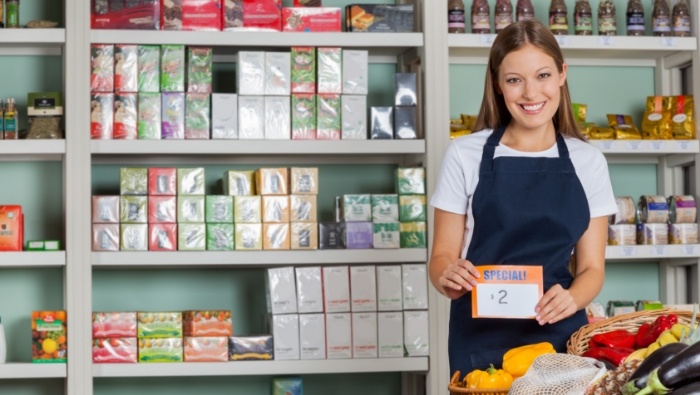
A Grocery Stockpiling Guide: How and When to Save
Grocery stockpiling is a great way to cash in on bargains that can drastically lower your food costs.
Buying in Bulk: An Investment Anyone Can Afford
Perhaps you don’t have a lot of money to invest.
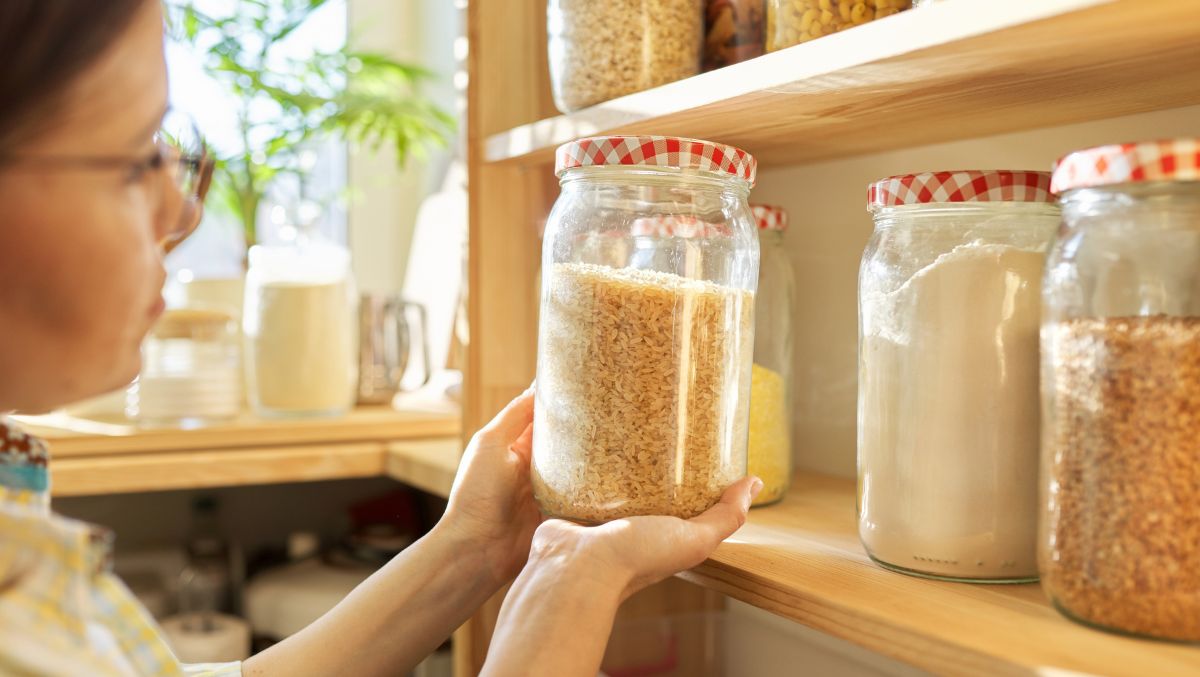
Foods Worth Buying in Bulk To Save Money + Storage Tips
Some foods are worth buying in bulk if you have the space and means to store them properly to prevent spoilage.
About The Dollar Stretcher
The Dollar Stretcher shares practical ways to lower everyday costs, build steadier money habits and move from stuck to stable on a tight budget.
Learn more about how we can help you.