
13 Money-Saving Uses for Petroleum Jelly
Petroleum jelly is inexpensive, long-lasting and can do far more than moisturize dry skin. These practical uses may help you skip specialty products, prevent waste and get more life from things you already own.
TDS Money-Saving Strategist: Andrea Norris-McKnight | posted September 2026
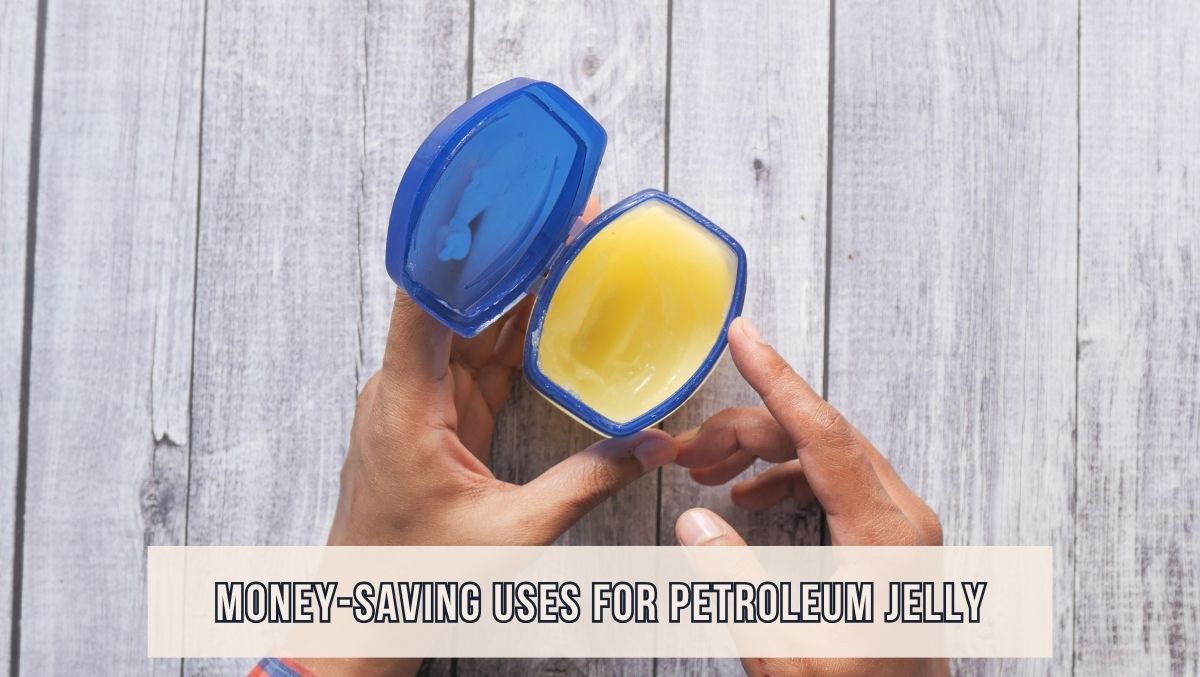
Small savings reminder: These tips alone won't save hundreds of dollars. But a collection of small savings habits working together is often what makes a tight budget easier to manage..
Petroleum jelly has been around for generations, and there’s a good reason many households still keep a jar handy. It’s inexpensive, shelf-stable and useful for more than just chapped skin.
But not every clever-sounding petroleum jelly hack actually saves money. The most useful ones generally do one of three things: replace a more expensive specialty product, help prevent damage or help you use something you already own.
Here are some practical ways a small jar of petroleum jelly may stretch your household dollars.
7 Personal Care Petroleum Jelly Uses
Here are seven reasons to keep a jar of petroleum jelly in the medicine cabinet.
1. Replace Expensive Lip Balm
Plain petroleum jelly makes an inexpensive barrier for dry, chapped lips. If you’re constantly buying small tubes or pots of lip products, a jar used at home can last a long time.
You may still want a lip product with SPF when you’re outdoors, since plain petroleum jelly doesn’t protect against the sun.
2. Protect Dry, Cracked Hands and Feet
You don’t necessarily need a separate intensive hand cream, heel balm and overnight foot treatment.
Petroleum jelly helps seal moisture into very dry skin. Apply it after bathing or washing while skin is still slightly damp. For very dry feet, apply a thin layer before bed and put on socks.
If you already use a regular moisturizer, you can also apply petroleum jelly over it to help seal in moisture.
3. Protect Skin From Hair Dye
If you color your hair at home to save on salon costs, petroleum jelly can help keep dye from staining the skin around your hairline.
Apply a thin layer around the hairline, ears and back of the neck before coloring, taking care not to get it on the hair itself where it could interfere with the dye.
It’s one less specialty “color barrier” product you need to buy.
Want MORE TIPS for Stretching Your Budget?
Get the free eBook with 226 simple money-saving tips — plus the Dollar Stretcher newsletter with practical, real-life ways to make a tight budget go further.
We value your privacy.
Unsubscribe anytime.
4. Make Perfume Last Longer on Your Skin
Before applying perfume, try putting a tiny amount of petroleum jelly on your pulse points and applying the fragrance over it.
The occlusive base may help the fragrance linger on your skin, so you can use less perfume during the day.
That’s particularly useful if your favorite fragrance is one of the more expensive items in your personal-care budget.
5. Protect Skin During At-Home Nail Care
Before painting your nails, apply a very thin coating of petroleum jelly to the skin surrounding each nail.
Stray polish is less likely to adhere to the coated skin, making cleanup easier.
It won’t replace every manicure product, but it can make a do-it-yourself manicure a little easier and help you avoid buying a separate polish barrier product.
About The Dollar Stretcher
The Dollar Stretcher shares practical ways to lower everyday costs, build steadier money habits and move from stuck to stable on a tight budget.
Learn more about how we can help you.

Get All 226 Money-Saving Tips—Free Download
You’ll also get our free newsletter each week. It’s full of useful ways to cut costs and stretch your dollars.
6. Help Prevent Chafing
A small amount of petroleum jelly can reduce friction on skin areas prone to chafing from shoes or clothing.
That may eliminate the need for a separate anti-chafing balm for occasional use.
Don’t apply it to broken or infected skin, and stop using it if irritation develops.
7. Protect Small Cuts and Scrapes
For a clean, minor cut or scrape, petroleum jelly can keep the wound moist as it heals and help prevent a bandage from sticking as badly.
Clean the wound first with mild soap and water, then apply a thin layer of plain petroleum jelly and cover it if needed.
For routine minor wounds, you may not need an assortment of specialty first-aid ointments unless your healthcare provider recommends them.
6 Household Uses for Petroleum Jelly
That jar of petroleum jelly can also help you protect and repair things.
8. Prevent Paint From Sticking to Hardware
Before tackling a small painting project, apply a thin coating of petroleum jelly to hardware you can’t easily remove, such as screws, hinges or other small metal pieces you don’t want painted.
Paint that lands on the protected area should be easier to wipe away.
It can be a handy trick when you’re doing your own home maintenance rather than paying someone else to do it.
9. Help Free a Stuck Zipper
Before replacing a bag, jacket or other item because its zipper is sticking, try a tiny amount of petroleum jelly on the zipper teeth.
Work the zipper gently back and forth to distribute it.
Use very little and keep it away from surrounding fabric since petroleum jelly can leave greasy stains.
A 30-second fix that keeps an otherwise usable item out of the trash is usually worth trying.
10. Protect Battery Terminals From Corrosion
For certain battery connections, such as automotive battery terminals, a thin layer of petroleum jelly applied to clean, properly connected terminals can help protect against moisture and corrosion.
Always follow the vehicle or equipment manufacturer’s instructions and use appropriate safety precautions when working around batteries.
Preventing corrosion is a small maintenance step that may help you avoid connection problems later.
11. Keep Bottle and Jar Lids From Sticking
For non-food household products prone to crusting around their screw-top lids, a tiny amount of petroleum jelly on the threads may make them easier to open later.
This can be useful for products such as some glues, craft supplies or other materials that tend to dry around the cap.
Keep petroleum jelly out of the product itself and don’t use this trick if the product manufacturer warns against contamination or petroleum-based materials.
12. Make a Stubborn Light Bulb Easier To Remove Later
A tiny amount of petroleum jelly on the threads of a replacement light bulb may help prevent sticking in some fixtures.
However, this isn’t appropriate for every bulb or fixture. Some manufacturers advise against putting lubricants on bulb bases, so check the bulb and fixture instructions first.
If lubrication is permitted, use only a trace amount and keep it away from the bulb’s electrical contact.
13. Protect Chrome Fixtures During Messy Projects
A very thin film of petroleum jelly can temporarily protect some chrome hardware from paint splatters during nearby painting or craft work.
Once the project is finished, wipe it off thoroughly and clean the fixture as usual.
As always, test an inconspicuous spot before applying anything to a decorative finish.
Where Petroleum Jelly May Save the Most
The biggest savings probably won’t come from any single clever use. They’ll come from not buying multiple products that perform essentially the same job.
Depending on your household, one inexpensive jar may reduce your need for separate:
- Lip moisturizer
- Intensive heel balm
- Overnight hand treatment
- Hair-color skin barrier
- Occasional anti-chafing balm
- Nail-polish barrier product
- Certain specialty household lubricants or protectants
Before buying a specialty product for a job you only do occasionally, check whether the petroleum jelly you already own will work.
When Petroleum Jelly Isn’t the Right Choice
Petroleum jelly is useful because it creates a moisture-resistant barrier, but that same trait makes it unsuitable for some uses.
Don’t use it as a sunscreen substitute. Don’t put it inside your nose regularly, especially in large amounts. Avoid using it on serious burns, deep wounds or infected skin without medical guidance.
Petroleum jelly can also stain fabric, and petroleum-based products can damage latex. If you’re using it around rubber, plastics, seals or specialized equipment, check the manufacturer’s instructions first.
And don’t assume that because a viral household hack calls for petroleum jelly, it’s safe for the material involved. A quick manufacturer check can prevent a money-saving experiment from becoming an expensive repair.
How To Get More Savings From One Jar of Petroleum Jelly
Petroleum jelly lasts a long time because most uses require only a small amount. The trick is keeping the jar clean.
Use clean hands or a small, clean applicator when taking petroleum jelly from the container, especially if your household uses the same jar for personal care.
You might even divide a large jar into a few small, clean containers: one for personal care, one for the toolbox or garage and one for household projects.
That inexpensive jar can then replace several specialty products while helping you maintain things you already own.
TDS Takeaway
Petroleum jelly isn’t going to transform your budget. But that’s rarely how everyday frugality works.
Saving a few dollars by skipping a specialty product, keeping a zipper working or making something last longer doesn’t seem significant on its own. Repeat that thinking across dozens of household purchases, however, and the savings start to add up.
The best alternative uses aren’t simply unusual things a product can do. They’re the ones that keep you from spending money on something else.
Did this article help you save or stretch a few dollars or plug a financial leak? The Dollar Stretcher can help you make your dollars go even further.
Join the free Dollar Stretcher newsletter to get money-saving tips and articles delivered to your inbox each week, plus a copy of the 226 money-saving tips eBook — a reference you can use whenever money feels tight.
About the Author
Andrea Norris-McKnight is the Money-Saving Strategist behind The Dollar Stretcher.
She helps people on tight budgets cut everyday costs, build steadier money habits and create a little breathing room—without guilt, gimmicks, or unrealistic advice.
More Ways To Save
Stretch Your Personal Care Budget With Liquid Glycerin
A small bottle of liquid glycerin is inexpensive, lasts a long time and has dozens of uses.

14 Money-Saving Uses for Hydrogen Peroxide Around the House
20+ Money-Saving Uses for Rubbing Alcohol Around the House
Here are practical, money-saving ways to use it safely (many from our readers), plus a few important precautions.
Tips for Stretching the Shelf Life of Beauty Products
With makeup and hair products becoming more expensive, it pays to make them last.
About The Dollar Stretcher
The Dollar Stretcher shares practical ways to lower everyday costs, build steadier money habits and move from stuck to stable on a tight budget.
Learn more about how we can help you.