
The Savings You Don’t Always Notice (Until You Skip Them)
$avings Potential: 1,000s
TDS Money-Saving Strategist: Andrea Norris-McKnight | posted January 20, 2026

When people look for ways to save money, they usually think about cutting back—spending less at the store, finding cheaper options or skipping extras.
Those things help. But some of the biggest savings don’t come from cutting at all. They come from habits that quietly protect your budget in the background. You don’t really notice them when they’re working. You notice them when they stop.
Here are some of the most overlooked sources of savings.
A Good Credit Score
A good credit score doesn’t feel like an accomplishment. Paying bills on time and keeping balances low is about as exciting as it gets.
But that quiet consistency shows up later as:
- Lower interest rates on loans
- Cheaper insurance premiums in some states
- Fewer fees and security deposits
Two people can borrow the same amount of money and one pays far more over time (often hundreds or thousands more) simply because their credit score is weaker. That difference adds up fast.
Are You Losing Money to Poor Credit?
Financial expert Liz Weston estimates a lifetime of poor credit can cost you more than $200,000.
Healthy Eating and Regular Exercise
It’s easy to think of food and exercise as lifestyle choices, not money choices. In reality, they affect the budget more than most people expect.
Eating at home more often and staying active can mean:
- Fewer medical appointments and prescriptions
- Less reliance on takeout and convenience food
- More energy for everyday tasks
This doesn’t require perfection or expensive programs. Simple meals and regular movement can quietly keep some medical costs at bay.
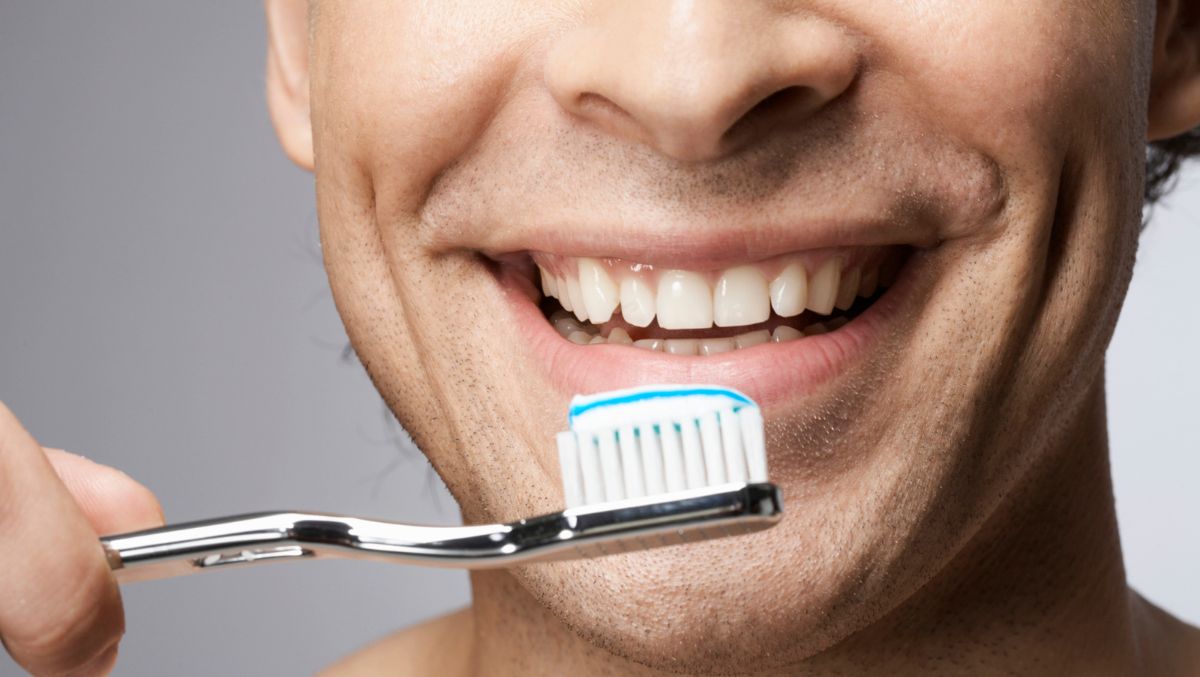
Good Oral Hygiene
This one feels basic, but it matters.
Toothpaste, floss and regular cleanings cost very little compared to dental repairs. Small problems don’t stay small when it comes to teeth. A few minutes a day can prevent bills that run into the thousands.
Want MORE TIPS for Stretching Your Budget?
Get the free eBook with 226 simple money-saving tips — plus the Dollar Stretcher newsletter with practical, real-life ways to make a tight budget go further.
We value your privacy.
Unsubscribe anytime.
Regular Home Maintenance
Homes don’t reward neglect.
Replacing filters, fixing small leaks and staying ahead of minor repairs helps prevent:
- Higher energy bills
- Water damage and mold
- Emergency repairs that never happen at a convenient time
Maintenance costs a little now, but it prevents much larger expenses later.
Find out more about the many ways home maintenance saves money.
Other Quiet Budget Protectors
Over time, quiet leaks can become quite costly.
Getting enough sleep
When sleep is short, spending tends to rise. Convenience food, impulse purchases and “I’ll deal with it later” decisions become more common. Sleep costs nothing and supports better choices.
Staying organized
Knowing what you already own prevents rebuying items you already have hidden in a pantry or cabinet, food waste and paying for forgotten subscriptions. Organization doesn’t need to be perfect — just good enough to see what you have.
Preventive healthcare
Routine checkups and screenings are usually far cheaper than treating problems once they’ve grown. Prevention protects both health and cash flow.
Reviewing insurance periodically
Some people overpay simply because they never look at what they’re getting (or missing) for those steep premiums. A quick review can uncover better rates, outdated coverage or missed discounts.
About The Dollar Stretcher
The Dollar Stretcher shares practical ways to lower everyday costs, build steadier money habits and move from stuck to stable on a tight budget.
Learn more about how we can help you.

Get All 226 Money-Saving Tips—Free Download
You’ll also get our free newsletter each week. It’s full of useful ways to cut costs and stretch your dollars.
TDS Takeaway: Why These Savings Matter
Some savings show up immediately at the checkout line. Others work quietly behind the scenes.
These habits don’t feel dramatic, but they keep money from leaking out in stressful, hard-to-reverse ways. Over time, they can protect thousands of dollars without changing how you live day to day.
Sometimes the best way to save isn’t cutting more—it’s taking better care of what you already have.
About the Author
Andrea Norris-McKnight is the Money-Saving Strategist behind The Dollar Stretcher.
She helps people on tight budgets cut everyday costs, build steadier money habits and create a little breathing room—without guilt, gimmicks, or unrealistic advice.
More Ways To Save

7 Frugal Habits for Building Savings
These simple, effective habits can help you significantly boost the amount of cash you have available to save.
Are You Using Too Much? Cut Back on These Products To Cut Costs
Using too much of anything is a waste of money.

Lowering Auto Insurance Costs When You Can’t Seem To Find Any Savings
Try these uncommon tips for lowering auto insurance premiums.

Preventive Home Maintenance Tasks for the Frugal Homeowner
Performing these tasks is typically cheaper than the cost of repairs.
About The Dollar Stretcher
The Dollar Stretcher shares practical ways to lower everyday costs, build steadier money habits and move from stuck to stable on a tight budget.
Learn more about how we can help you.