
Why You Should Track Your Gas Mileage (and How To Do It)
TDS Money-Saving Strategist: Andrea Norris-McKnight | posted August 2026
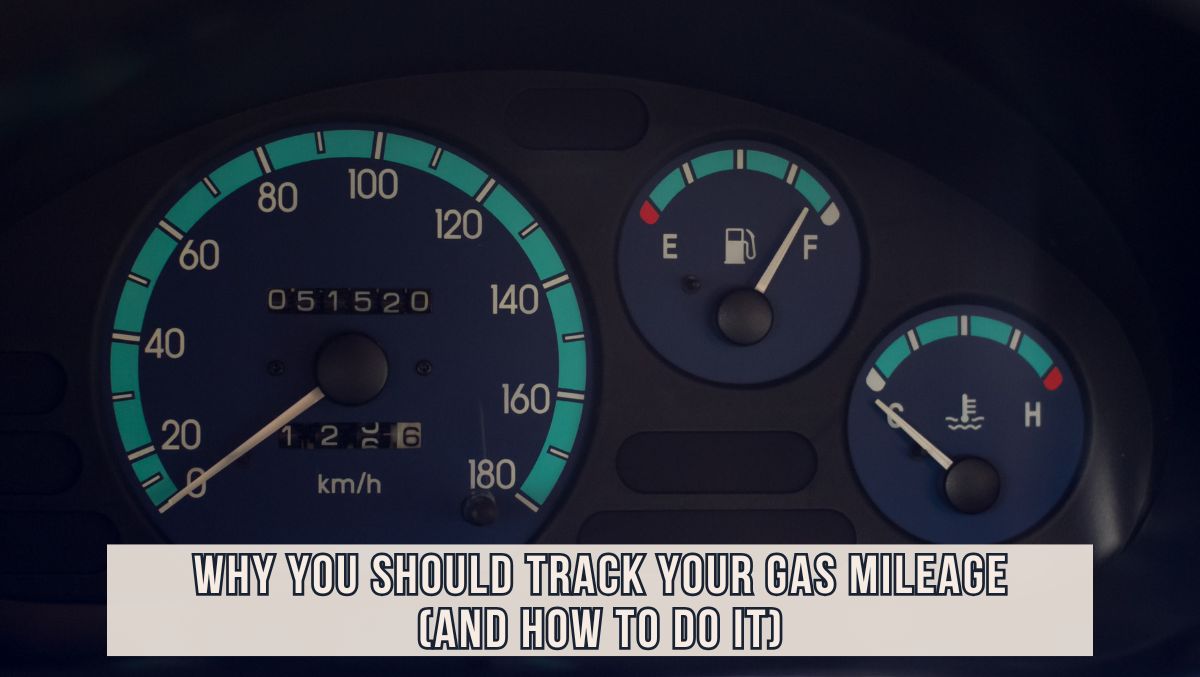
If you don’t track your gas mileage, you may not notice when your vehicle starts using more fuel than it should.
Many drivers know approximately how often they fill up, but that’s not the same as knowing how efficiently their vehicle is running. A drop in fuel economy can be one of the earliest signs that your driving habits have changed or that your vehicle needs maintenance.
The good news is that tracking your gas mileage is easy. It takes just a minute at each fill-up and can help you save money over time.
Why Track Your Gas Mileage?
Tracking your gas mileage does more than satisfy curiosity. It gives you a baseline so you can spot changes before they become expensive.
It Can Save You Money
When you know your normal miles per gallon (MPG), you’ll be more likely to notice when it starts to decline.
That can prompt you to make simple changes like checking your tire pressure, driving more smoothly or scheduling routine maintenance before you’re wasting money on extra fuel.
It Can Alert You to Maintenance Problems
A gradual drop in gas mileage can signal problems such as:
- Underinflated tires
- A dirty engine air filter
- Worn spark plugs
- A failing oxygen sensor
- An overdue tune-up
While a drop in MPG doesn’t always mean something is wrong, it’s often worth investigating if your mileage suddenly changes.
It Helps You Budget More Accurately
If you drive for work, have a long commute or frequently travel, knowing your vehicle’s average fuel economy makes it easier to estimate your monthly transportation costs.
It also helps you evaluate whether changes you’ve made are actually saving money.
Want MORE TIPS for Stretching Your Budget?
Get the free eBook with 226 simple money-saving tips — plus the Dollar Stretcher newsletter with practical, real-life ways to make a tight budget go further.
We value your privacy.
Unsubscribe anytime.
It Helps You Compare Vehicles
Thinking about replacing your vehicle?
Knowing your current gas mileage gives you a realistic comparison when shopping for a different car, SUV or truck. Instead of relying only on manufacturer estimates, you’ll know how your current vehicle performs in your everyday driving.
It Can Simplify Business Recordkeeping
If you use your vehicle for business, keeping records of your mileage and fuel use can make expense tracking easier. While mileage logs are generally more important for tax purposes than fuel purchases, knowing your fuel economy can still help you estimate operating costs.
About The Dollar Stretcher
The Dollar Stretcher shares practical ways to lower everyday costs, build steadier money habits and move from stuck to stable on a tight budget.
Learn more about how we can help you.
Get All 226 Money-Saving Tips—Free Download
You’ll also get our free newsletter each week. It’s full of useful ways to cut costs and stretch your dollars.
How To Calculate Your Gas Mileage
You don’t need a special app or complicated spreadsheet.
At your next fill-up:
- Fill the gas tank completely.
- Reset your trip odometer.
- Drive normally until your next fill-up.
- Fill the tank to the same level.
- Record the number of gallons purchased.
- Divide the miles driven by the gallons you added.
Example:
- Miles driven: 325
- Gallons purchased: 13
325 ÷ 13 = 25 MPG
Repeat this over several tanks to get a more accurate average.
Keep a Simple Fuel Log
A small notebook in the glove compartment works fine, but many drivers simply record three numbers in their phone:
- Date
- Odometer or trip miles
- Gallons purchased
After a few fill-ups, you’ll have a good picture of your vehicle’s normal fuel economy.
What Can Cause Your MPG To Change?
Don’t be surprised if your gas mileage isn’t exactly the same every tank.
Several things affect fuel economy, including:
- City versus highway driving
- Heavy traffic
- Hot or cold weather
- Running the air conditioner
- Carrying heavy cargo
- Towing a trailer
- Tire pressure
- Driving habits
That’s why it’s helpful to look for trends over several tanks rather than worrying about one unusually low number.
Tips for Improving Gas Mileage
If your fuel economy has slipped, these simple habits can often help.
- Drive smoothly and avoid rapid acceleration.
- Maintain a steady speed whenever possible.
- Check your tire pressure regularly.
- Avoid long periods of idling.
- Remove unnecessary weight from your vehicle.
- Use the octane rating recommended by your manufacturer.
- Stay current on oil changes and routine maintenance.
- Combine errands to reduce extra trips.
Many of these habits not only save fuel but also reduce wear and tear on your vehicle.
TDS Takeaway: Don’t Chase Perfection
Gas mileage naturally varies from tank to tank. The goal isn’t to achieve your vehicle’s advertised MPG every time you drive.
Instead, use tracking as a way to learn what’s normal for your vehicle. If your average mileage suddenly drops, you’ll know it’s time to investigate rather than continuing to spend more on gas without realizing it.
A few minutes of recordkeeping each month can help you spot problems early, improve your driving habits and stretch your transportation budget a little further.
Did this article help you save or stretch a few dollars or plug a financial leak? The Dollar Stretcher can help you make your dollars go even further.
Join the free Dollar Stretcher newsletter to get money-saving tips and articles delivered to your inbox each week, plus a copy of the 226 money-saving tips eBook — a reference you can use whenever money feels tight.
About the Author
Andrea Norris-McKnight is the Money-Saving Strategist behind The Dollar Stretcher.
She helps people on tight budgets cut everyday costs, build steadier money habits and create a little breathing room—without guilt, gimmicks, or unrealistic advice.
More Ways To Save

Driving Habits That Waste Gas (and How To Fix Them)
Some of the biggest ways to save on gas have nothing to do with where you buy fuel.

Car Maintenance Habits That Help Your Car Hold Its Value
You can’t stop car depreciation, but you can slow it.

3 Things That May—or May Not—Save You Money Insuring an Older Car
Older cars are often overinsured, but cutting coverage blindly can create expensive problems later.

Lowering Auto Insurance Costs When You Can’t Seem To Find Any Savings
Have your car insurance premiums skyrocketed?
About The Dollar Stretcher
The Dollar Stretcher shares practical ways to lower everyday costs, build steadier money habits and move from stuck to stable on a tight budget.
Learn more about how we can help you.