
Fast and Frugal: Meal Planning Tips for Busy, Budget-Conscious Families
Meal planning doesn’t have to take hours every week. These simple strategies can help busy families spend less time deciding what’s for dinner while keeping grocery costs under control.
TDS Money-Saving Strategist: Andrea Norris-McKnight | posted August 2026

When life gets busy, meal planning is often one of the first things to fall off the to-do list. Unfortunately, that’s also when grocery bills tend to climb. Last-minute takeout, forgotten leftovers and extra trips to the store can quickly eat into a tight budget.
Meal planning doesn’t have to mean spending hours with recipes and spreadsheets. A simple system that fits your family’s schedule can save both time and money.
Here are practical ways to make meal planning fast, flexible and affordable.
Start With What You Already Have
Before you look at recipes or sales ads, take five minutes to check your kitchen.
Look for:
- Produce that needs to be used soon
- Leftovers that can become another meal
- Meat in the freezer
- Pantry staples that have been sitting for a while
- Dairy products nearing their expiration date
Planning around food you already own reduces waste and often means buying fewer groceries.
Keep a Running Inventory of Easy Meals
Instead of searching for recipes every week, create a master list of meals your family already enjoys.
For example:
- Tacos
- Spaghetti
- Breakfast for dinner
- Chili
- Soup and sandwiches
- Baked potatoes with toppings
- Stir-fry
- Sloppy Joes
- Chicken and rice
Having 20 to 30 go-to meals eliminates decision fatigue and speeds up planning. And your family won’t become bored with the meal variety.
Build Your Meal Plan Around Weekly Sales
Rather than deciding what you want first and shopping second, reverse the process.
If chicken is on sale, plan two chicken meals.
If pasta is discounted, build meals around pasta.
If fresh produce is expensive, choose frozen vegetables that week instead.
This simple habit keeps your grocery spending aligned with current prices.
Want MORE TIPS for Stretching Your Budget?
Get the free eBook with 226 simple money-saving tips — plus the Dollar Stretcher newsletter with practical, real-life ways to make a tight budget go further.
We value your privacy.
Unsubscribe anytime.
Plan for Leftovers on Purpose
Many people view leftovers as an afterthought.
Instead, make them part of the plan.
Examples include:
- Roast chicken becomes chicken soup.
- Taco meat becomes taco salads or burritos.
- Chili becomes baked potato topping.
- Ham becomes omelets or bean soup.
- Rice becomes fried rice.
Cooking once and eating twice saves both time and money.
Foods That Stretch Multiple Meals
These budget-friendly staples work in a variety of inexpensive meals:
- Ground beef
- Rotisserie or roasted chicken
- Rice
- Pasta
- Potatoes
- Beans
- Eggs
- Tortillas
- Frozen vegetables
- Oats
Keeping versatile ingredients on hand makes meal planning much easier.
Choose a Few Quick Meals Every Week
Not every dinner needs to be elaborate.
Include several meals that take 30 minutes or less.
Ideas include:
- Quesadillas
- Grilled cheese and tomato soup
- Breakfast sandwiches
- Pasta with homemade meat sauce
- Sheet pan sausage and vegetables
- Homemade fried rice
- Tuna melts
- Baked potatoes with leftover chili
These meals help you avoid expensive takeout on hectic evenings.
About The Dollar Stretcher
The Dollar Stretcher shares practical ways to lower everyday costs, build steadier money habits and move from stuck to stable on a tight budget.
Learn more about how we can help you.
Get All 226 Money-Saving Tips—Free Download
You’ll also get our free newsletter each week. It’s full of useful ways to cut costs and stretch your dollars.
Batch Cook One Item Instead of Entire Meals
You don’t have to spend an entire Sunday preparing freezer meals.
Instead, cook one large batch of something useful.
Examples include:
- Brown several pounds of ground beef.
- Cook extra shredded chicken.
- Make a large pot of rice.
- Prepare homemade beans.
- Chop vegetables for several meals.
Having ingredients ready often makes dinner come together in minutes.
Schedule One “Use-It-Up” Night Each Week
Designate one dinner each week for using leftovers and odds and ends.
You might create:
- Stir-fry
- Soup
- Loaded baked potatoes
- Pasta skillet
- Chef salads
- Homemade pizza topped with leftover vegetables and meats
This habit can significantly reduce food waste over time.
Repeat Meals Without Feeling Guilty
Many families think meal plans need to be completely different every week.
They don’t.
Having Taco Tuesday or Pizza Friday makes planning easier and shopping more predictable.
Repeating favorite meals also reduces food waste because you’ll know exactly how much your family typically eats.
Keep a Small Emergency Meal Supply
Some evenings simply don’t go according to plan.
Keep inexpensive ingredients on hand for quick meals like:
- Pasta
- Jarred or homemade pasta sauce
- Macaroni and cheese
- Canned soup
- Peanut butter
- Eggs
- Frozen vegetables
- Tortillas
- Rice
- Canned beans
These pantry meals are almost always cheaper than ordering takeout.
Let Your Family Help Plan
If family members help choose meals, they’re more likely to eat what’s served.
Consider letting each person choose one dinner each week using ingredients already on hand or items that are on sale.
This keeps everyone involved without increasing the grocery budget.
Don’t Overplan
One common mistake is scheduling seven specific dinners.
Instead, plan five or six meals and leave one or two days flexible.
Life happens. A flexible meal plan is much easier to stick with than a rigid one.
Common Meal Planning Mistakes
Avoid these habits that often increase grocery spending:
- Planning before checking what you already own.
- Shopping without a list.
- Buying ingredients for only one recipe.
- Forgetting to schedule leftovers.
- Trying too many new recipes in one week.
- Throwing away successful meal plans instead of reusing them.
Save Meal Plans That Worked
Once you’ve created a successful week of meals, don’t throw it away.
Keep meal plans in:
- A binder
- A notebook
- A folder on your computer
- A note-taking app
Over time, you’ll build a library of inexpensive weekly plans that require almost no effort to reuse.
15-Minute Meal Planning Routine
Try this simple weekly routine:
- Check your refrigerator.
- Check your freezer.
- Check your pantry.
- Look at grocery store sales.
- Choose five or six dinners.
- Write one shopping list.
- Save your completed meal plan for future use.
You can often finish the entire process in 15 minutes or less.
The Best Savings for Your Budget Level
No need to tackle every tip at once. Start with the tips best suited for your budget.

If money is stretched and savings need to be meaningful:
- Build meals around pantry staples.
- Choose ingredients that work in multiple recipes.
- Stretch meat with beans, rice or vegetables.
- Schedule a weekly “use-it-up” meal.
- Cook from scratch whenever practical.

If you’re cutting back but still have some flexibility:
- Batch cook proteins for faster weeknight meals.
- Stock up on sale-priced freezer items you’ll use regularly.
- Keep a small emergency pantry to avoid takeout.

If you just want small, easy wins:
- Invest in time-saving tools such as a slow cooker, Instant Pot or freezer containers.
- Double favorite recipes for future meals.
- Buy larger family packs when they’re on sale and freeze portions.
TDS Takeaway
Meal planning doesn’t have to be complicated to save money. A simple system built around foods you already own, weekly grocery sales and a handful of reliable family favorites can dramatically reduce grocery costs while making weeknight dinners less stressful.
The goal isn’t to create the perfect meal plan. It’s to make planning just easy enough that you’ll actually keep doing it.
Did this article help you save or stretch a few dollars or plug a financial leak? The Dollar Stretcher can help you make your dollars go even further.
Join the free Dollar Stretcher newsletter to get money-saving tips and articles delivered to your inbox each week, plus a copy of the 226 money-saving tips eBook — a reference you can use whenever money feels tight.
About the Author
Andrea Norris-McKnight is the Money-Saving Strategist behind The Dollar Stretcher.
She helps people on tight budgets cut everyday costs, build steadier money habits and create a little breathing room—without guilt, gimmicks, or unrealistic advice.
More Ways To Save
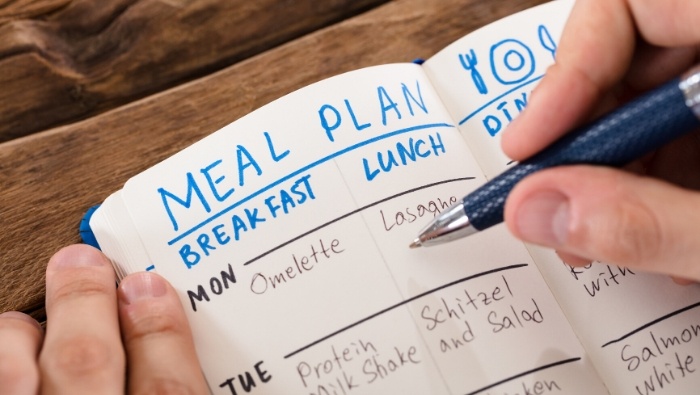
Meal Planning Around Leftovers To Stretch the Food Budget
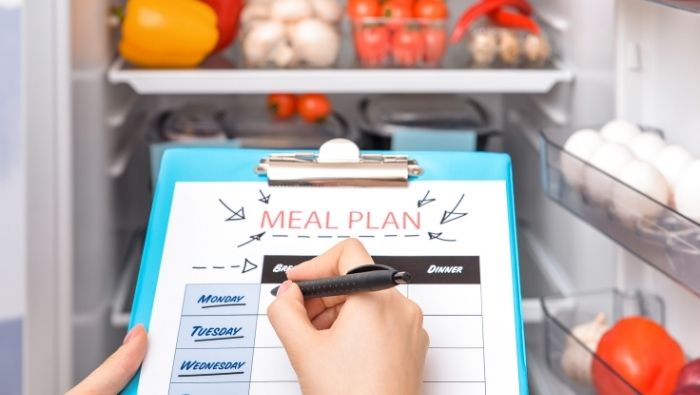
Use Reverse Menu Planning to Stretch Food Dollars Further
Want to learn how to frugally plan your meals so you can stretch your food dollars?

The Grocery Shortcut That Backfires for Tight Budgets

8 Money-Saving Grocery Tips That Can Actually Cost You
Buying in bulk, using coupons and cooking from scratch can all save money—but not always.
About The Dollar Stretcher
The Dollar Stretcher shares practical ways to lower everyday costs, build steadier money habits and move from stuck to stable on a tight budget.
Learn more about how we can help you.

© 1996–2026 The Dollar Stretcher | All rights reserved except where specifically noted. Jackiranda Media, LLC.
The content on The Dollar Stretcher and in our newsletters is provided for general informational purposes only and is not intended as financial advice. Individual financial situations vary, and readers should consider their own circumstances before making financial decisions.