
Getting More Life Out of Household Supplies and Everyday Items
Some household items get replaced sooner than necessary simply because of how they’re used, stored or maintained. These simple habits can help you get more use out of 15 everyday items and reduce how often you need to buy replacements.
TDS Money-Saving Strategist: Andrea Norris-McKnight | posted August 2026
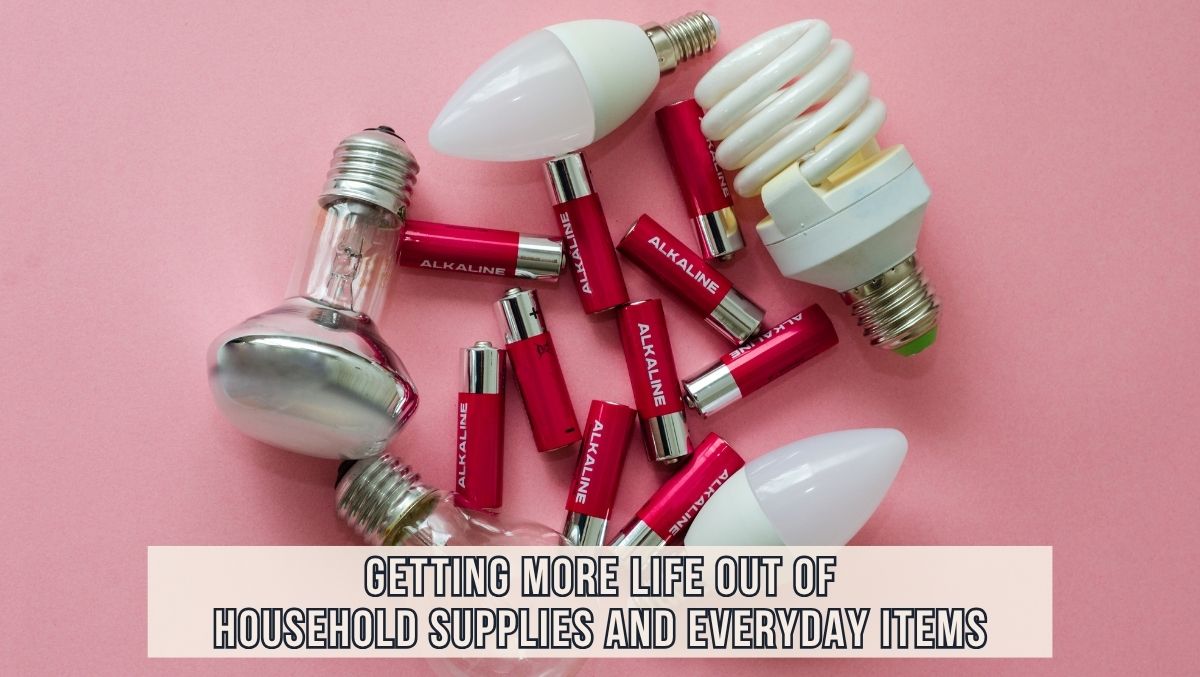
Saving money on household supplies isn’t always about finding the lowest price.
Sometimes it’s about buying them less often.
A battery that dies prematurely, a dried-out tube of caulk or a paintbrush ruined after one project may only cost a few dollars to replace. But households go through a lot of these little things over the years.
With proper use, storage and maintenance, many everyday household items can last longer.
However, there is an important distinction. Getting the full useful life from something isn’t the same as using it beyond its safe or effective life. A dirty HVAC filter, damaged electrical cord or worn-out surge protector isn’t something to stretch just to save a few dollars.
With that in mind, here are 15 household items you may be able to replace less often.
1. Household Batteries
A package of batteries can be surprisingly expensive, so it makes sense to get as much useful life from them as possible.
Don’t mix old and new batteries in the same device or combine different battery types. If one battery is weak, it can affect the performance of the others.
Remove batteries from items you won’t use for an extended period. This won’t just protect the batteries. It can also prevent leakage that could ruin the device.
Store unused batteries in their original packaging or another suitable container in a cool, dry location away from extreme temperatures.
2. Rechargeable Batteries
Rechargeable batteries can eliminate many repeat purchases, but how you treat them can affect how long they remain useful.
Use a charger designed for your particular battery type and follow the manufacturer’s charging instructions. Protect batteries from extreme heat, and don’t leave them stored in devices you won’t use for long periods.
If your household goes through a lot of batteries in toys, game controllers, flashlights or similar devices, rechargeables may be particularly worthwhile.
3. LED Light Bulbs
LED bulbs can last for years, but excessive heat can shorten their lives.
Make sure the bulb you’re using suits the fixture, especially if it’s enclosed. Some LED bulbs aren’t designed for enclosed spaces where heat can build up.
Also check that bulbs are compatible with dimmer switches when applicable.
If one fixture seems to go through LED bulbs unusually quickly, the problem may be the fixture, heat buildup or an electrical issue rather than the bulbs themselves.
Want MORE TIPS for Stretching Your Budget?
Get the free eBook with 226 simple money-saving tips — plus the Dollar Stretcher newsletter with practical, real-life ways to make a tight budget go further.
We value your privacy.
Unsubscribe anytime.
4. HVAC Air Filters
This is one household item where “making it last” requires some common sense.
Don’t automatically throw out a filter that still has useful life simply because you’ve reached an arbitrary date on the calendar. How quickly a filter gets dirty depends on factors such as pets, dust, household size, HVAC usage and the type of filter. Check it regularly and follow your HVAC and filter manufacturers’ recommendations.
But don’t try to stretch the life of a visibly dirty filter. Restricted airflow can make your HVAC system work harder and potentially cost far more than you save on the filter.
5. Reusable HVAC Filters
Some heating and cooling systems can use washable or reusable filters.
If yours does, cleaning the filter according to the manufacturer’s instructions can eliminate repeated disposable filter purchases.
Let the filter dry completely before reinstalling it and inspect it periodically for damage.
Don’t switch from a disposable filter to a reusable one without first making sure it’s appropriate for your HVAC system.
6. Water Filters
Water filters are another item you shouldn’t try to stretch indefinitely.
Whether you have a refrigerator filter, pitcher filter or another filtration system, follow the manufacturer’s recommended replacement guidelines.
If your filter is rated by both time and water usage, understanding how your household uses it may help prevent replacing it unnecessarily early.
The goal is to get the filter’s intended useful life, not push it beyond the point where it effectively filters your water.
Some Things Aren’t Worth Stretching
Don’t try to squeeze extra life out of an item when doing so could compromise safety or lead to a more expensive problem.
That includes damaged electrical cords, worn surge protection and filters that have reached the end of their effective life.
And don’t apply a “make it last longer” strategy to safety equipment such as smoke and carbon monoxide alarms. Follow manufacturer recommendations for testing, batteries and replacement.
Saving a few dollars isn’t worthwhile when safety is involved.
About The Dollar Stretcher
The Dollar Stretcher shares practical ways to lower everyday costs, build steadier money habits and move from stuck to stable on a tight budget.
Learn more about how we can help you.

Get All 226 Money-Saving Tips—Free Download
You’ll also get our free newsletter each week. It’s full of useful ways to cut costs and stretch your dollars.
7. Printer Ink Cartridges
Printer ink isn’t cheap.
To slow down how quickly you use cartridges, use draft or economy mode for documents that don’t require high-quality printing. Print in grayscale when color isn’t necessary.
At the same time, an inkjet printer that sits unused for long periods can develop clogged print heads. Printing occasionally may help keep the ink flowing properly.
And don’t automatically assume an “ink low” warning means the cartridge needs to be replaced immediately. If print quality is still acceptable, you may be able to continue using it for a while.
8. Charging Cables and Cords
Charging cables often fail near the connector because that’s where they bend and get pulled the most.
Instead of yanking a charger out by its cord, grasp the plug or connector.
Avoid tightly wrapping cords, sharply bending them or placing furniture on them. When traveling, loosely coil them rather than stuffing them into a bag.
A little care can prevent you from having to replace charging cables several times a year.
9. Extension Cords
Proper storage can help extension cords last longer.
Coil them loosely instead of tightly wrapping or knotting them. Keep indoor extension cords indoors and store cords away from moisture, excessive heat and direct sunlight when they’re not designed for those conditions.
However, this is another area where safety comes first.
If a cord has exposed wires, cracked insulation, damaged plugs or other significant damage, replace it rather than trying to extend its life.
10. Power Strips and Surge Protectors
A good power strip can last for years, but don’t confuse an ordinary power strip with a surge protector.
Surge protectors contain components designed to absorb voltage spikes, and that protection can diminish over time or after significant surges.
Follow the manufacturer’s replacement guidance and pay attention to any indicator lights that show whether surge protection is still working, and avoid overloading (power strips or surge protectors).
Note: This isn’t an item to keep indefinitely simply because the outlets still work.
Check Before You Replace It
Before automatically tossing a household item and buying another, ask:
- Is it actually worn out or just dirty?
- Can it be cleaned?
- Can it be repaired?
- Am I storing or using it in a way that’s shortening its life?
- Does the manufacturer recommend replacement yet?
- Could replacing one inexpensive part extend the life of the whole item?
A quick check can sometimes delay your next replacement purchase by months or even years.
11. Candles
If your candles burn unevenly and leave wax stuck around the sides of the container, you may not be getting the full value for what you paid.
Trim the wick according to the candle manufacturer’s instructions before burning.
During a candle’s early burns, allow enough time for the melted wax to reach appropriately across the surface. Repeatedly burning a candle for very short periods can contribute to tunneling, leaving unused wax around the edges.
Always follow the candle’s safety and burn-time instructions.
12. Leftover Paint
That half-can of paint could save you from buying another can the next time a wall gets scuffed.
Before closing the can, clean paint from the rim so the lid seals properly. Close it securely and store it according to the manufacturer’s directions in a location protected from temperature extremes.
Label the can with the room where you used it, in case you forget. Properly stored leftover paint can be invaluable for future touch-ups.
13. Paintbrushes and Rollers
A decent paintbrush shouldn’t be a one-project purchase.
Clean brushes promptly using the cleaning method appropriate for the type of paint you used. Don’t let paint dry deep in the bristles.
Reshape clean brush bristles and store brushes properly once dry.
Roller covers can sometimes be cleaned and reused, especially good-quality ones. Whether cleaning is worthwhile depends on the type of paint, roller and future project.
14. Caulk and Adhesive Tubes
How many times have you needed a tiny amount of caulk only to discover that the half-full tube you saved has hardened?
After using caulk or adhesive, clean the opening and seal the tube according to the manufacturer’s directions.
For products that can safely be stored after opening, a good seal can mean the difference between using the remainder for another repair and buying an entirely new tube.
Before storing any product, check its storage instructions and shelf life.
15. Furniture Felt Pads and Sliders
Felt pads under furniture legs protect floors, but they can collect hair, dust and grit, reducing their effectiveness.
Check them periodically and clean them when practical. Replace only the pads that are worn, missing or no longer adhere, rather than automatically replacing every pad on a piece of furniture.
Reusable furniture sliders can also be cleaned and stored for your next furniture-moving project rather than treated as disposable.
Budget Level Savings
No need to tackle every tip at once. Start with the tips best suited for your budget.
If money is stretched and savings need to be meaningful:
Concentrate on extending the life of items you already own. Store batteries properly, protect charging cords, clean paintbrushes promptly and seal leftover paint and caulk. Most of these habits cost nothing.
If you’re cutting back but still have some flexibility:
Consider switching frequently used household batteries to rechargeables and replacing inexpensive products that repeatedly fail with better-quality versions when the numbers make sense.
If you just want small, easy wins:
Look beyond the purchase price when replacing household supplies. A higher-quality surge protector, paintbrush or rechargeable battery system may cost more initially but provide better value if it lasts significantly longer.
TDS Takeaway: Don’t Confuse Frugality With Using Something Too Long
There’s satisfaction in squeezing another month or year out of something you would otherwise have replaced.
But there are limits.
Replace electrical items that have become damaged. Filters that are no longer doing their jobs need to go. A product that has deteriorated to the point that it could damage something more expensive isn’t saving you money.
The goal is simple: Get all the useful life you paid for without pushing an item beyond its safe or effective life.
Do that consistently with the little things around your house and you may be surprised how many replacement purchases disappear from your shopping list.
Did this article help you save or stretch a few dollars or plug a financial leak? The Dollar Stretcher can help you make your dollars go even further.
Join the free Dollar Stretcher newsletter to get money-saving tips and articles delivered to your inbox each week, plus a copy of the 226 money-saving tips eBook — a reference you can use whenever money feels tight.
About the Author
Andrea Norris-McKnight is the Money-Saving Strategist behind The Dollar Stretcher.
She helps people on tight budgets cut everyday costs, build steadier money habits and create a little breathing room—without guilt, gimmicks, or unrealistic advice.
More Ways To Save

Take Care of These Overlooked Household Items (and Delay Costly Replacements)
Many household items get replaced long before they’re worn out.

Article Title
This is a sample paragraph. Replace with article summary.
Switching From Disposable to Reusable Products Without Spending a Fortune
These practical tips will help you slowly transition to reusable alternatives that fit your budget and your lifestyle.

'Smart Home' Upgrades That Can Save Money Over Time
Home automation doesn’t have to be expensive to be useful. These affordable smart home upgrades can help lower energy bills, prevent costly problems and save money.
About The Dollar Stretcher
The Dollar Stretcher shares practical ways to lower everyday costs, build steadier money habits and move from stuck to stable on a tight budget.
Learn more about how we can help you.