
The Meal-Planning Habit That Can Actually Increase Your Grocery Bill
A meal plan can keep you out of the drive-thru and reduce impulse grocery spending. But if every dinner requires its own set of ingredients, your carefully planned week may cost more than expected. Here’s how to make your meal plan work harder for your grocery budget.
TDS Money-Saving Strategist: Andrea Norris-McKnight | posted October 2026
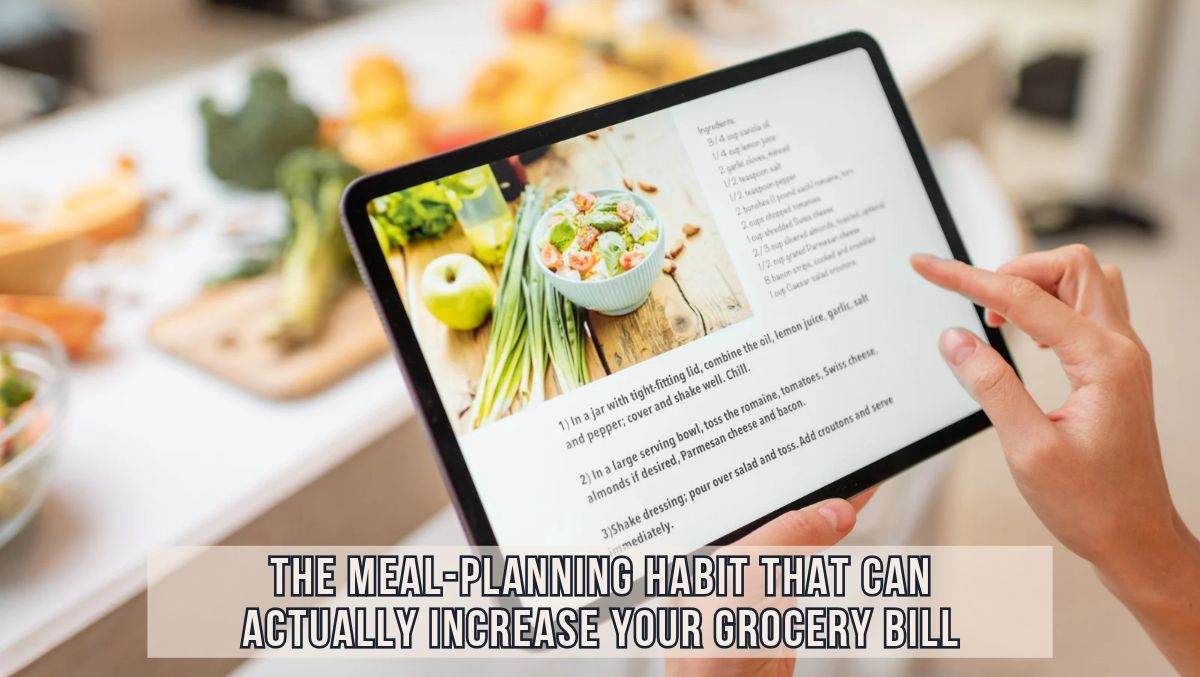
Meal planning should save money.
And usually, it does.
Knowing what you’ll cook can cut last-minute takeout, help you make a useful grocery list and keep random ingredients from ending up in your cart.
But there’s a version of meal planning that can quietly push your grocery bill in the opposite direction.
It happens when you plan too many completely different meals.
Monday is tacos. Tuesday is an Asian-inspired stir-fry. Wednesday is Mediterranean chicken. Thursday is homemade pizza. Friday is a new soup recipe.
Each meal may be inexpensive on its own. But together, they can require a surprisingly long list of ingredients. Different vegetables. Different cheeses. Different sauces, breads, herbs, proteins and toppings.
Suddenly your “budget meal plan” requires half the grocery store.
The problem isn’t meal planning.
It’s planning meals as though every dinner exists in isolation.
A Cheap Recipe Doesn’t Always Make a Cheap Meal Plan
You’ve probably seen recipes promoted as costing only a few dollars per serving. That can be useful information.
But recipe cost and grocery-trip cost aren’t always the same thing. Suppose a recipe uses two tablespoons of a sauce, half a bunch of fresh herbs, a small amount of cheese, one specialty seasoning and a few tortillas.
The amount actually consumed in the recipe might not cost much. But you can’t necessarily buy two tablespoons of sauce, half a bunch of herbs or three tortillas. You have to buy the packages.
If the rest doesn’t fit into another meal, the grocery bill can be much higher than the recipe’s estimated cost suggests.
This is why an inexpensive recipe can still be an expensive addition to your weekly meal plan.
The Real Savings Often Happen Between Meals
Instead of asking only: Is this an inexpensive dinner?
Also ask: How well does this dinner fit with everything else we’re eating this week?
That’s where meal planning can become much more economical. Suppose Monday’s dinner uses chicken, bell peppers, onions, shredded cheese and tortillas.
Tuesday doesn’t necessarily need five completely different ingredients.
- Perhaps some of that chicken goes into sandwiches.
- The peppers and onions could appear in another dish.
- The tortillas could become quesadillas later in the week.
- The cheese could top baked potatoes.
Now those grocery purchases are doing more than one job.
You’re not simply planning meals. You’re planning ingredient overlap.
How To Make Your Meal Plan Work Harder for Your Grocery Budget
These 14 tips can help ensure your meal-planning routine plans for savings, too.
1. Stop Planning Seven Unrelated Dinners
Variety is enjoyable. But seven dinners don’t need seven completely different ingredient lists.
Look for a few points of connection.
- Maybe several meals use the same vegetables.
- Two meals use the same protein.
- One night’s side becomes part of another night’s main dish.
- A package of tortillas appears twice.
- The cheese you buy has three planned uses.
This doesn’t mean eating nearly identical dinners all week. The same ingredients can become very different meals.
Chicken might appear in tacos one night and soup another. Rice might accompany dinner and later become part of a bowl or casserole. Roasted vegetables might be a side dish one night and later go into eggs, pasta or another meal.
Repeat ingredients without necessarily repeating meals.
Want MORE TIPS for Stretching Your Budget?
Get the free eBook with 226 simple money-saving tips — plus the Dollar Stretcher newsletter with practical, real-life ways to make a tight budget go further.
We value your privacy.
Unsubscribe anytime.
2. Plan Around What You Already Have First
One of the most expensive meal-planning habits is starting with a blank page.
You ask: What do we want to eat this week? Then you choose seven meals. Then you make a shopping list for everything those meals require.
Meanwhile, your freezer contains meat. Your pantry contains pasta, rice and canned goods. Your refrigerator has half a package of cheese and vegetables that need using.
Try reversing the process.
Before choosing meals, check:
- Refrigerator: What needs to be used soon?
- Freezer: What proteins, leftovers and prepared foods are already available?
- Pantry: What staples have been sitting there?
Then ask: What meals could I build around these foods?
You’re beginning the meal plan with groceries you’ve already paid for.
3. Give Foods That Need Using a Place in the Plan
Knowing that something needs to be eaten isn’t enough. Give it a specific job.
- Don’t write: Use broccoli. Write: Tuesday: Chicken, rice and broccoli.
- Don’t think: We should eat those tortillas. Plan: Thursday: Quesadillas.
Vague future food is easy to forget. Food assigned to a meal is much more likely to get eaten.
This is particularly useful for produce, leftovers, opened packages and other foods with a limited window for use.
About The Dollar Stretcher
The Dollar Stretcher shares practical ways to lower everyday costs, build steadier money habits and move from stuck to stable on a tight budget.
Learn more about how we can help you.
Get All 226 Money-Saving Tips—Free Download
You’ll also get our free newsletter each week. It’s full of useful ways to cut costs and stretch your dollars.
4. Don’t Let Every Meal Require a Recipe
Recipes are useful.
But seven recipe-driven dinners can generate seven ingredient lists.
Not every meal needs that much structure. Build some dinners around basic combinations your household already knows how to make.
For example:
- Protein + vegetable + starch
- Pasta + sauce + vegetables
- Soup + bread
- Eggs + toast + fruit
- Baked potatoes + toppings
- Sandwiches + simple sides
- Rice or grain bowls using available ingredients
These meals are flexible.
That flexibility lets you substitute what you already have instead of buying exactly what a recipe calls for.
5. Be Careful With One-Recipe Ingredients
A new recipe looks inexpensive until you realize it requires five things you don’t own.
That doesn’t mean you shouldn’t try it. Just look at the ingredient list differently.
For each unfamiliar or unusual ingredient, ask:
- What will I do with the rest?
- If the recipe uses a tablespoon of a specialty sauce, will your household use the rest of the bottle?
- If you need a particular fresh herb, can you use it in another meal before it goes bad?
- If you need a specialty cheese, do you have another recipe planned to use it up?
If not, the ingredient’s real cost to your household may be closer to the package price than the small amount used in the recipe.
6. Let One Purchase Solve Several Meals
A useful grocery purchase doesn’t always need to be the cheapest item in the store.
It can be the item that solves the most problems.
A rotisserie chicken, for example, may or may not be cheaper than cooking chicken yourself depending on local prices and how much usable meat you get. But if it becomes dinner one night, sandwiches another day and part of another meal later, its convenience and versatility may make it valuable to a particular household.
The same principle applies to ordinary ingredients.
A bag of potatoes might become a dinner side, baked potato lunches, breakfast potatoes or a soup ingredient. A cabbage might become: slaw, a stir-fry ingredient, a soup addition or a side dish.
Before buying something for one meal, ask whether it could contribute to another.
7. Use the Whole Package in Your Planning
Recipes often think in portions. Grocery stores sell packages.
Your meal plan needs to account for both.
If Monday’s recipe uses half a package of something, decide what happens to the other half.
You have several options:
- Use it later in the week.
- Freeze it if appropriate.
- Double the recipe if the finished dish freezes well and your household will eat it.
- Substitute an ingredient you already have.
- Choose a different recipe.
What you don’t want is a meal plan filled with half-packages that have no destination.
8. Plan Some Meals To Be Flexible
A tightly planned week can actually create waste when life doesn’t cooperate.
You planned seven dinners. Then someone works late. There’s an unexpected school activity. Friends invite you out. You’re too tired to cook Wednesday’s complicated meal.
Now ingredients start backing up.
Instead of assigning an elaborate meal to every night, leave some flexibility. You might plan:
- Four or five specific dinners.
- One leftover night.
- One very simple pantry or freezer meal.
- One flexible night that can absorb whatever happens during the week.
Your household may need a different balance.
The idea is to avoid buying ingredients for more cooking than you’re realistically likely to do.
9. Match the Meal Plan to Your Actual Week
Don’t plan meals for the household you wish you’d be next week. Plan for the household you’re actually likely to be.
- If Tuesday is packed with activities, don’t schedule a meal that takes 45 minutes to prepare.
- If Friday is usually when everyone wants something easy, plan something easy.
- If you’re routinely exhausted by Thursday, don’t assume next Thursday will somehow be different.
A meal plan that ignores your schedule can get expensive because you buy groceries and then end up buying convenience food or takeout.
Sometimes, planning a slightly more expensive convenience meal from the grocery store costs less than planning a from-scratch dinner you won’t have the time or energy to make.
10. Don’t Confuse Variety With a Good Meal Plan
It’s easy to think a proper meal plan should look impressive.
Seven different dinners. Several cuisines. Lots of produce. New recipes. Different sides every night.
But your grocery budget doesn’t benefit from novelty for novelty’s sake.
You can create variety through preparation rather than entirely different ingredients.
- The same chicken doesn’t have to taste the same twice.
- The same vegetables can be roasted, added to pasta or used in soup.
- The same potatoes can be baked, mashed or added to another dish.
- The same tortillas can become tacos, quesadillas or wraps.
The question isn’t: How many different foods can I put on the plan? It’s: How many satisfying meals can I get from the foods I’m buying?
11. Build in a Leftover Plan
Leftovers shouldn’t be an accidental byproduct of meal planning. They can be part of the plan.
If Monday’s dinner reliably produces enough for lunch Tuesday, count that lunch before buying something else. If a large pot of soup will provide two dinners, don’t plan another dinner for that second night. If your household dislikes eating the exact same meal twice, plan ways to reuse components instead.
Roasted chicken becomes sandwiches. Cooked vegetables go into another dish. Turn rice into part of tomorrow’s lunch.
The goal is to avoid buying food for meals that food you’ve already cooked could cover.
12. Watch the Side Dishes
Sometimes the main dish is inexpensive, but the meal isn’t.
You plan burgers. Then add buns, cheese, lettuce, tomato, pickles, chips and perhaps another side. You plan tacos. Then add shells, cheese, lettuce, salsa, sour cream, avocado and rice.
None of those additions is inherently unreasonable. But a low-cost main dish can become a much more expensive meal when you feel you must include every traditional accompaniment.
Before adding another side or topping, ask: Do we already have enough food for this meal?
You don’t need to recreate a restaurant plate at home.
13. Let Sales Influence the Plan — Not Control It
Building meals around good prices can certainly lower grocery costs. But sale shopping can create its own version of overplanning.
Chicken is on sale, so you add a chicken recipe. Broccoli is on sale, so you add another meal. Pasta sauce is on sale, so spaghetti joins the plan.
Soon you’re buying food for more meals than the week contains.
Use sales to help choose among foods you actually need. Don’t let every bargain become another addition to the meal plan.
14. Repeat the Meals That Work
There is nothing financially wrong with having regular meals. In fact, familiar meals can make grocery planning easier.
You know what ingredients you need, how much your household eats, whether you use leftovers, which ingredients you can substitute and roughly what the meal costs.
That doesn’t mean your menu has to become boring.
Keep a list of inexpensive meals your household reliably enjoys and rotate through them. Then add new recipes occasionally rather than rebuilding your menu from scratch every week.
The 5-Minute Meal Plan Money Check
Before making your grocery list, check your meal plan for these five things:
1. What needs to be used first? Give perishable foods and leftovers a specific place in the plan.
2. What do I already own? Build some meals around your refrigerator, freezer and pantry before adding new groceries.
3. Which ingredients appear only once? Pay particular attention to perishable and specialty ingredients.
4. What happens to the rest of each package? If a recipe uses half, decide now how you’ll use the other half.
5. Does this plan fit our actual week? Don’t buy ingredients for seven ambitious dinners if you realistically have time and energy to cook four.
A good meal plan tells you what to cook. A money-saving meal plan also tells you what you don’t need to buy.
The Cheapest Meal May Be the One You Didn’t Plan
Suppose Thursday’s plan calls for a particular chicken dish. But when Thursday arrives, you discover leftover rice, half a package of tortillas, some cheese, a few vegetables and a container of cooked beans.
You could stick rigidly to the plan and save those foods for later. Or you could change dinner.
A meal plan is supposed to help you use your grocery money efficiently. It isn’t a contract.
When something needs using, plans can change.
Sometimes the most budget-friendly meal is the one your refrigerator chooses for you.
Try the “Ingredient Overlap” Test
After you’ve planned your meals but before you make your final grocery list, review every ingredient you’re about to buy.
Ask: How many meals will use this?
Not everything needs multiple uses. A necessary ingredient may appear only once. But if your list contains a long series of foods with only one job, that’s worth noticing.
Especially look at:
- Fresh herbs
- Produce sold in larger quantities
- Specialty sauces
- Cheeses
- Bread products
- Dairy products
- Condiments
- Unfamiliar pantry ingredients
The more one-use ingredients you see, the more likely your meal plan is creating extra spending or future waste.
Try Planning From Three Lists
Instead of starting each week’s meal plan with recipe ideas, start with three short lists:
1. Use First
Foods in the refrigerator or pantry that need attention soon.
2. Already Paid For
Meat, frozen meals, pantry staples and other foods you already own.
3. Buy To Complete
The groceries you actually need to turn the first two lists into meals.
That third list is where grocery spending happens.
The more meals you can create from Lists 1 and 2, the shorter List 3 may become.
Budget Level Savings: Make Your Meal Plan Match Your Grocery Budget
No need to tackle every tip at once. Start with the tips best suited for your budget.
If money is stretched and savings need to be meaningful:
Start almost entirely with what you already have.
Inventory the refrigerator, freezer and pantry before choosing meals.
Prioritize foods that need using, then buy only what you need to turn existing ingredients into workable meals.
Limit new recipes that require multiple specialty ingredients.
If you’re cutting back but still have some flexibility:
Build most meals around existing staples and overlapping ingredients, then leave some room for variety.
A new recipe or specialty ingredient can fit the budget more easily when the rest of the week’s meals use foods you already own.
If you just want small, easy wins:
You may choose to spend more for variety, new recipes and specialty ingredients because you enjoy them.
Ingredient overlap can still reduce waste and unnecessary purchases.
The goal isn’t necessarily the lowest possible grocery bill. It’s making sure the food you buy has a reasonable chance of getting used.
TDS Takeaway: A Meal Plan Should Reduce the Shopping List, Not Just Organize It
Meal planning can be one of the most effective ways to control grocery spending.
But simply writing down seven dinners doesn’t guarantee savings.
A budget-friendly meal plan connects the meals.
- It starts with what you already have.
- It gives perishable ingredients more than one chance to get used up.
- It accounts for leftovers.
- It leaves room for busy nights.
- And it doesn’t require a new collection of ingredients every evening.
Before you finalize next week’s meal plan, don’t just ask: What are we eating? Ask: How much new food do I have to buy to make this plan work?
If seven planned dinners produce an enormous grocery list, the solution may not be finding cheaper ingredients.
It may be planning meals that work together.
Did this article help you save or stretch a few dollars or plug a financial leak? The Dollar Stretcher can help you make your dollars go even further.
Join the free Dollar Stretcher newsletter to get money-saving tips and articles delivered to your inbox each week, plus a copy of the 226 money-saving tips eBook — a reference you can use whenever money feels tight.
About the Author
Andrea Norris-McKnight is the Money-Saving Strategist behind The Dollar Stretcher.
She helps people on tight budgets cut everyday costs, build steadier money habits and create a little breathing room—without guilt, gimmicks, or unrealistic advice.
More Ways To Save

Fast and Frugal: Meal Planning Tips for Busy, Budget-Conscious Families

Make It or Buy It? 15 Pantry Staples Worth Comparing
You can make everything from taco seasoning and cream soups to ketchup and pancake mix from scratch. But should you?
The Grocery Shortcut That Backfires for Tight Budgets

7 Hidden Sources of Food Waste in Your Kitchen (and Potential Savings)
Here’s how to spot the “invisible” waste and keep more of your grocery money in your pocket.
About The Dollar Stretcher
The Dollar Stretcher shares practical ways to lower everyday costs, build steadier money habits and move from stuck to stable on a tight budget.
Learn more about how we can help you.