
Make Your Laundry and Cleaning Supplies Last Longer
You may be replacing cleaning tools and using laundry products faster than you need to. A few simple changes to how you clean, store and use them can help stretch your household supply budget.
TDS Money-Saving Strategist: Andrea Norris-McKnight | posted October 2026
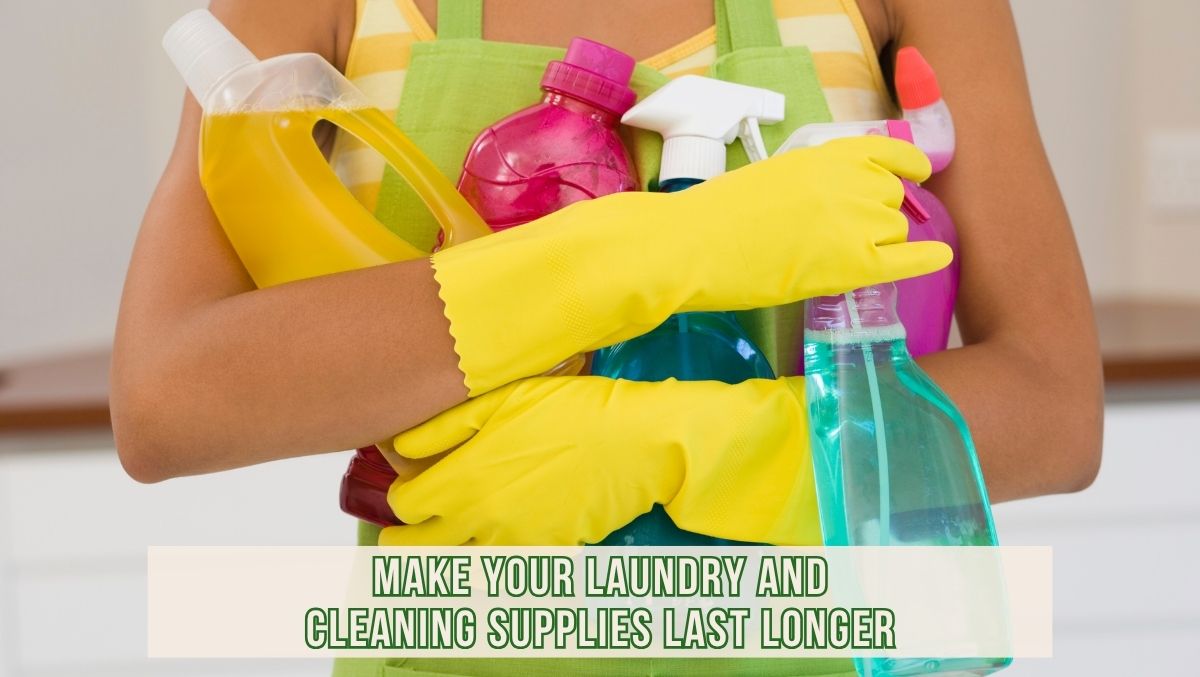
Cleaning and laundry supplies are repeat purchases.
A bottle of detergent runs out. A sponge falls apart. A mop pad gets tossed. A broom gets bent out of shape.
Individually, most of these replacements don’t seem terribly expensive. Add them up over a year, though, and they become another drain on the household budget.
Fortunately, you don’t necessarily need to buy cheaper supplies to spend less. You may simply need to get more useful life from the ones you’re already buying.
Here are habits that can help.
1. Clean It: Take Care of the Tools That Do the Cleaning
It may sound strange to clean your cleaning supplies, but dirt, hair, detergent residue and other buildup can shorten the useful life of many cleaning tools.
Microfiber Cloths
You can reuse microfiber cloths many times, but how you wash them matters.
Wash according to the manufacturer’s directions and avoid fabric softener unless specifically permitted. Fabric softener can coat the tiny fibers that make microfiber effective at picking up dirt and absorbing moisture. Excessive heat may also damage some microfiber, so follow drying instructions.
Keep them working well, and you may be able to use the same cloths for years.
Sponges
A sponge that’s allowed to sit full of food particles and dirty water isn’t going to stay useful for long.
After using one, rinse it thoroughly, squeeze out excess water and put it somewhere it can dry.
However, don’t stretch a sponge’s life beyond what is sanitary. If it develops an odor, begins breaking down or can’t be properly cleaned, replace it.
The goal is to prevent premature replacement, not keep a dirty sponge indefinitely.
Scrub Brushes
Hair, food particles, soap residue and grime can become trapped in scrub brushes.
Rinse brushes thoroughly after use and periodically remove anything caught in the bristles. Then let them dry before putting them away.
A good scrub brush can handle a lot of cleaning before it needs replacing, as long as you don’t let the dirt you’re removing become permanently embedded in it.
Brooms
Broom bristles collect far more than dust.
Periodically remove hair, string and other debris tangled in the bristles. Depending on the broom material, you may also be able to wash the bristles occasionally. Always allow them to dry thoroughly.
Cleaning the broom helps keep the bristles separated and usable, rather than letting accumulated grime turn them into a matted mess.
Dustpans
A dustpan may last for years, but buildup along its bottom edge can prevent it from sitting flush against the floor.
Instead of replacing one because it suddenly seems terrible at picking up dirt, clean the edge.
Sometimes the dustpan isn’t worn out. It’s just dirty.
Reusable Mop Heads and Mop Pads
Reusable mop heads and washable spray mop pads can replace many disposable cleaning products.
But don’t leave a dirty, damp mop sitting around after cleaning.
Rinse or wash reusable mop heads according to the manufacturer’s instructions, then let them dry thoroughly before storing.
Wash reusable mop pads promptly so dirt and cleaning-product residue don’t become permanently embedded in the fibers.
Reusable Dusters
If your duster is designed for reuse, clean it instead of replacing it when it gets loaded with dust.
Shake it outdoors when appropriate, or wash it according to the manufacturer’s instructions.
Reusable dusters only save money when you actually reuse them.
Want MORE TIPS for Stretching Your Budget?
Get the free eBook with 226 simple money-saving tips — plus the Dollar Stretcher newsletter with practical, real-life ways to make a tight budget go further.
We value your privacy.
Unsubscribe anytime.
2. Dry and Store It: How You Put Cleaning Tools Away Matters
Many cleaning tools spend far more time in storage than they do in use.
How you store them can affect how long they last.
Store Brooms With the Bristles Protected
If possible, hang brooms rather than resting their full weight on the bristles for months or years.
Bent bristles don’t sweep nearly as well.
If hanging isn’t an option, store the broom so the bristles aren’t crushed against other supplies.
You can renew your broom by washing it! I put a pail full of hot, soapy water in my kitchen and soak the broom overnight. The next day, I rinse it and hang it in the sun to dry. Much less trouble than cutting off an inch or so (although that is also a useful tip).
Penny C.
Let Cleaning Tools Dry Before Storage
Don’t immediately stuff damp cloths, mop heads, brushes or rubber gloves into a closed cabinet.
Moisture encourages odors and deterioration.
Let washable cleaning tools dry completely before putting them away.
Take Care of Rubber Cleaning Gloves
Rinse reusable cleaning gloves after messy jobs, then let them dry.
Store them away from excessive heat and direct sunlight, which can contribute to deterioration.
If your gloves are still intact, they don’t need to be a one-cleaning-session purchase.
Protect Your Clothesline and Clothespins
If you use an outdoor clothesline, keeping removable clothespins out of prolonged rain and sun exposure can help them last longer.
Periodically inspect the line itself for wear.
Replacing a worn section before it breaks is much less frustrating than picking freshly washed sheets up off the ground.
Store Laundry Mesh Bags Properly
Mesh laundry bags are inexpensive but surprisingly useful for protecting delicate items and keeping small items together.
Empty them completely after use, make sure they’re dry, and store them away from zippers or mesh that could snag.
About The Dollar Stretcher
The Dollar Stretcher shares practical ways to lower everyday costs, build steadier money habits and move from stuck to stable on a tight budget.
Learn more about how we can help you.
Get All 226 Money-Saving Tips—Free Download
You’ll also get our free newsletter each week. It’s full of useful ways to cut costs and stretch your dollars.
The Cleaning Supply Reset
Every few months, spend 15 minutes checking your cleaning supplies.
- Remove hair and debris from brooms and brushes.
- Clean reusable vacuum filters if appropriate.
- Check the vacuum brush roll.
- Wash reusable mop pads and dusters.
- Unclog spray bottle nozzles.
- Check rubber gloves for damage.
- Match reusable cleaning attachments with their tools.
- Toss anything that has become unsafe or unsanitary.
A quick reset may reveal that several things you thought needed replacing simply needed a little maintenance.
3. Use Less: Stop Using Up Products Faster Than Necessary
Sometimes an item isn’t wearing out.
We’re simply using too much of it.
This may be one of the easiest places to reduce laundry and cleaning costs.
Measure Laundry Detergent
More detergent doesn’t necessarily mean cleaner clothes. Using too much can waste detergent and may leave residue on clothing or inside the washing machine.
Read the detergent directions and adjust the amount accordingly based on factors such as load size, soil level, water conditions and washing machine type.
Don’t rely on an oversized cap or a free pour to decide how much goes into each load.
If you discover you’ve routinely used twice as much detergent as needed, simple measuring could make every bottle last much longer.
Use Only as Much Cleaner as the Job Requires
The same principle applies to household cleaners.
A countertop doesn’t necessarily get twice as clean because you use twice as much spray.
Start with the amount recommended on the label. Add more only if the job actually requires it.
This applies to products such as:
- All-purpose cleaner
- Glass cleaner
- Furniture polish
- Floor cleaner
- Carpet cleaning solution
Besides wasting product, excessive cleaner can sometimes leave behind residue that requires additional work to remove.
Don’t Overuse Disinfectants
Cleaning and disinfecting aren’t the same, and not every surface needs disinfecting every time it’s cleaned.
Use disinfectants where appropriate and follow label directions, including the required amount and contact time.
Using more than directed doesn’t necessarily provide better results.
Make Magic Eraser-Type Sponges Smaller
If you only need to clean a small scuff, you may not need an entire melamine cleaning sponge.
Cutting one into smaller pieces before use can make a package last longer.
Use these products only on appropriate surfaces, as their mild abrasive action can damage certain finishes.
Are You Using Too Much?
If household cleaners seem to disappear quickly, check the directions before buying another bottle.
Look specifically at:
- Laundry detergent: Are you measuring for your machine and load size?
- Floor cleaner: Does the product need to be diluted?
- Disinfectant: Are you following the label rather than assuming more is better?
- Spray cleaners: Are a few sprays enough for the surface you’re cleaning?
- Carpet cleaner: Are you filling the machine according to its directions?
Sometimes the easiest way to make a cleaning product last longer is simply to stop using more than the job requires.
4. Maintain It: Protect the More Expensive Cleaning Equipment
Some cleaning tools cost considerably more than a sponge or bottle of cleaner. A little routine maintenance can help protect that investment.
Clean Your Vacuum Filters
A dirty vacuum filter can reduce performance.
If your vacuum has a washable filter, clean it according to the manufacturer’s instructions and allow it to dry completely before reinstalling it.
If the filter isn’t washable, don’t try to wash it to make it last longer. Clean or replace it according to the manufacturer’s directions.
Remove Hair From Vacuum Brush Rolls
Hair, thread and fibers can wrap tightly around a vacuum’s brush roll.
Don’t wait until the brush is barely turning. Periodically inspect it and remove tangled debris as your vacuum’s instructions recommend.
This helps the brush do its job and reduces unnecessary strain on the machine.
Don’t Ignore Vacuum Belts
A worn or stretched vacuum belt can reduce cleaning performance.
Check and replace belts according to the manufacturer’s recommendations.
Replacing an inexpensive wear item when necessary can help keep the entire vacuum functioning properly.
Maintain Carpet Cleaners and Steam Cleaners
Empty dirty-water tanks promptly, rinse removable components as directed, and don’t leave cleaning solution in equipment longer than recommended.
Clean hoses, brushes and attachments according to manufacturer instructions.
When you finish cleaning the floor, take a few extra minutes to clean the machine that did the work.
5. Refresh or Repair It Before You Replace It
Finally, get into the habit of asking whether something is actually worn out.
Wool Dryer Balls
Wool dryer balls can last through many loads.
Remove accumulated lint or hair and follow the manufacturer’s instructions if the balls need cleaning or refreshing.
Don’t replace them simply because they no longer look new.
Spray Bottles
A spray bottle that stops spraying isn’t necessarily ready for the trash.
The nozzle may simply be clogged. Try cleaning the sprayer before replacing the bottle.
If you reuse a spray bottle, however, never put a different chemical in it if doing so could create a dangerous mixture or lead to confusion about what’s inside. Clearly label any safely repurposed bottle.
Ironing Board Covers
A small stain doesn’t necessarily mean you need a new ironing board cover.
Spot-clean washable covers according to their care instructions.
Replace the cover when it’s scorched, badly worn or no longer provides a suitable ironing surface, not just because it looks used.
Cleaning Buckets
Rinse buckets after use and allow them to dry before stacking or storing them.
A basic cleaning bucket should provide years of service unless it cracks or is otherwise damaged.
Budget Level Savings: Where To Start
No need to tackle every tip at once. Start with the tips best suited for your budget.
If money is stretched and savings need to be meaningful:
Start with the changes that cost nothing. Measure detergent and cleaners, wash reusable mop pads and microfiber cloths correctly, clean broom bristles and vacuum brush rolls and unclog spray bottles instead of replacing them.
If you’re cutting back but still have some flexibility:
Gradually replace disposable cleaning tools with reusable ones when it makes financial sense. Reusable mop pads, microfiber cloths, durable scrub brushes and wool dryer balls can reduce the need to repurchase items. (See Switching From Disposable to Reusable Products Without Spending a Fortune)
If you just want small, easy wins:
When replacing vacuums, mops and other cleaning equipment, look beyond the initial purchase price. Check the cost and availability of replacement filters, pads, belts and other wear parts. Equipment that’s easy and inexpensive to maintain may provide better long-term value.
TDS Takeaway: A Few Extra Minutes Can Prevent Another Purchase
There’s a pattern running through most of these tips.
Rinse it. Dry it. Clean it. Measure it. Maintain it.
None takes much time.
Yet those small habits can mean fewer cleaning cloths ruined, fewer mop heads discarded, less detergent poured down the drain and fewer cleaning tools added to your shopping list.
You don’t need your supplies to last forever. You just want to get all the useful life out of them that you paid for.
Did this article help you save or stretch a few dollars or plug a financial leak? The Dollar Stretcher can help you make your dollars go even further.
Join the free Dollar Stretcher newsletter to get money-saving tips and articles delivered to your inbox each week, plus a copy of the 226 money-saving tips eBook — a reference you can use whenever money feels tight.
About the Author
Andrea Norris-McKnight is the Money-Saving Strategist behind The Dollar Stretcher.
She helps people on tight budgets cut everyday costs, build steadier money habits and create a little breathing room—without guilt, gimmicks, or unrealistic advice.
More Ways To Save
Getting More Life Out of Household Supplies and Everyday Items
Some household items get replaced sooner than necessary simply because of how they’re used, stored or maintained.
Are You Using Too Much? Cut Back on These Products To Cut Costs
Using too much of anything is a waste of money.

When the Cheapest Home Supplies Can End Up Costing the Most
Learn where spending a little differently may save more over time.
Before You Buy Another Cleaner: 12 Jobs Dawn Dish Soap May Already Handle
You bought Dawn to wash dishes, but it may handle several cleaning jobs around your home.
About The Dollar Stretcher
The Dollar Stretcher shares practical ways to lower everyday costs, build steadier money habits and move from stuck to stable on a tight budget.
Learn more about how we can help you.