
8 Frugal Habits You Can Stop Doing Without Wrecking Your Budget
TDS Money-Saving Strategist: Andrea Norris-McKnight | posted October 2026

I’m about to do something slightly unusual for someone who runs a money-saving website.
I’m going to suggest that you stop doing some things that save money.
Not all of them, of course.
But there may be a few frugal habits you’ve been faithfully maintaining for years that no longer save enough to justify the time, effort or aggravation involved.
Your circumstances may have changed. Prices may have changed. Your available time may have changed.
Or perhaps you’ve simply discovered that you hate doing something.
Frugal habits aren’t lifetime contracts. Here are eight you’re allowed to reconsider.
1. Stop Using Every Coupon You Find
Use coupons for things you planned to buy.
Beyond that, be selective.
A coupon isn’t savings if it persuades you to buy a product you wouldn’t otherwise purchase or if the store brand is still cheaper. And you don’t have to spend half an hour searching for a coupon before every $10 purchase.
Give yourself a reasonable search limit.
No coupon? Buy at a price you’re comfortable with and move on.
2. Stop Driving All Over Town for Small Savings
There are times when shopping multiple stores makes sense.
If chicken is $1.50 less per pound and you’re buying 20 pounds for your freezer, that’s worth considering.
Driving several miles because another store has bananas for 10 cents less per pound? Probably less compelling.
Consider the gasoline, vehicle wear and time involved, then decide whether the savings justify the trip.
Sometimes they will.
Sometimes buying the bananas where you already are is the frugal choice.
3. Stop Making Everything From Scratch
Homemade is not automatically cheaper. It certainly isn’t automatically better for your household.
Some foods and household products are inexpensive enough that making them yourself saves little after you factor in ingredients, energy and time.
Make things from scratch when they save meaningful money, taste better, meet a dietary need, or you enjoy making them.
Buy the inexpensive prepared version when that makes more sense.
You’re still frugal.
Want MORE TIPS for Stretching Your Budget?
Get the free eBook with 226 simple money-saving tips — plus the Dollar Stretcher newsletter with practical, real-life ways to make a tight budget go further.
We value your privacy.
Unsubscribe anytime.
4. Stop Repairing Things That Aren’t Worth Repairing
I love repairing something instead of replacing it. Until the repair costs almost as much as replacement.
Before repairing an inexpensive item, consider the cost of parts, tools and your time, along with the likelihood that the repair will last.
And don’t let money you’ve already spent on previous repairs influence the next decision too much.
Sometimes you’ve gotten all the useful life you’re going to get. It’s OK to replace it.
5. Stop Saving Things You’re Never Going To Reuse
Glass jars. Gift bags. Shipping boxes. Plastic containers. Fabric scraps. Leftover building materials.
There’s nothing wrong with saving things for reuse.
But there’s a difference between having a use for something and thinking you might find a use for it someday.
If your collection is consuming valuable storage space or making it difficult to find the things you actually use, reconsider it.
You don’t have to turn your home into a storage facility to prove you’re resourceful.
About The Dollar Stretcher
The Dollar Stretcher shares practical ways to lower everyday costs, build steadier money habits and move from stuck to stable on a tight budget.
Learn more about how we can help you.
Get All 226 Money-Saving Tips—Free Download
You’ll also get our free newsletter each week. It’s full of useful ways to cut costs and stretch your dollars.
6. Stop Stockpiling Past the Amount You’ll Actually Use
If your family goes through six jars of pasta sauce before the next good sale, buying six makes sense.
Buying 24 because they’re cheap may not.
Eventually, additional stockpiling stops helping.
Your money is tied up. Your storage space disappears. Food may expire or household needs may change.
Stockpiling is supposed to prevent you from paying full price later.
It’s not supposed to become a hobby in which the goal is owning as much discounted stuff as possible.
7. Stop Using a Complicated System Just Because It Saves a Little More
Maybe you use four rebate apps, three coupon programs and five stores to maximize every grocery trip.
If you enjoy it and the savings are substantial, there’s no problem.
But if you’re exhausted? Simplify.
Perhaps one grocery app gets you 80% of the savings with 20% of the work. Take the 80%.
Frugality that you can comfortably maintain for years will usually serve you better than an elaborate system you abandon after three months.
8. Stop Doing Jobs Yourself When Paying Someone Makes More Sense
DIY can save a lot of money.
But “I can do this myself” doesn’t always mean “I should do this myself.” Consider skill, safety, tools, time and what else you could be doing.
Paying someone $75 for a job that would require you to buy $50 in tools and sacrifice an entire Saturday may be perfectly reasonable.
Hiring help can also make financial sense when it frees you to earn more than the service costs.
You don’t have to outsource everything.
You also don’t have to DIY everything.
Don’t Drop a Habit Just Because You’re Tired of It
There’s an important caveat to all of this.
Some inconvenient frugal habits may currently be necessary.
If you’re struggling to cover rent and groceries, saving $5 matters differently than it does when you have plenty of breathing room.
Before dropping a money-saving habit, figure out what it actually saves you. You might discover that a habit you thought was insignificant saves $600 per year. Keep that one.
But you may discover you’ve been spending three hours per month to save $18.
That one deserves another look.
Budget Level Savings: What Can You Afford to Simplify?
No need to tackle every tip at once. Start with the tips best suited for your budget.
If money is stretched and savings need to be meaningful:
Be cautious about giving up savings while every dollar matters. Instead of eliminating habits, look for ways to simplify them.
Drop the lowest-return activities first and protect anything that provides significant recurring savings.
If you’re cutting back but still have some flexibility:
Identify the frugal habits consuming the most time and calculate approximately what they’re saving.
Keep the high-return habits. Simplify or eliminate low-return ones.
If you just want small, easy wins:
Consider your time and quality of life along with savings. You may intentionally pay for convenience in some areas while continuing to save aggressively elsewhere.
TDS Takeaway: Keep the Frugal Habits That Earn Their Place
You don’t need the longest possible list of money-saving habits.
You need the right ones.
- Keep the habits that save substantial money.
- Keep the ones that take almost no effort.
- Keep the ones you enjoy (or don’t mind doing).
- Keep the ones that move you toward something important.
And give yourself permission to reconsider the rest.
Because the goal of frugal living isn’t to spend every spare minute figuring out how not to spend money.
It’s to use your money wisely enough that it helps you build the life you want.
Should This Frugal Habit Stay or Go?
Pick a money-saving habit that’s become tiresome and ask:
- How much does this actually save me?
- How much time does it require?
- Is there an easier way to get most of the same savings?
- Do I dislike doing it?
- Would stopping it cause me to spend significantly more?
- Is this habit especially important because my budget is currently very tight?
Then choose one of three options:
KEEP IT: The savings justify the effort.
SIMPLIFY IT: Keep most of the savings with less work.
DROP IT: The savings no longer justify what the habit requires.
You may find that simplifying your frugal life makes it easier to stick with the money-saving habits that really matter.
Did this article help you save or stretch a few dollars or plug a financial leak? The Dollar Stretcher can help you make your dollars go even further.
Join the free Dollar Stretcher newsletter to get money-saving tips and articles delivered to your inbox each week, plus a copy of the 226 money-saving tips eBook — a reference you can use whenever money feels tight.
About the Author
Andrea Norris-McKnight is the Money-Saving Strategist behind The Dollar Stretcher.
She helps people on tight budgets cut everyday costs, build steadier money habits and create a little breathing room—without guilt, gimmicks, or unrealistic advice.
More Ways To Save

Put Your Frugal Life on Autopilot: Save Money Without Thinking About It Every Day
These simple systems can help put parts of your frugal life on autopilot and reduce financial decision fatigue.

Stretching Your Budget vs. Tightening Your Spending: A Better Way To Think About Saving Money
If budgeting feels like giving things up, it may be time to change your perspective.

You Don’t Have To Save Money on Everything
Sometimes the smartest approach is deciding which expenses deserve your attention and which are good enough as they are.
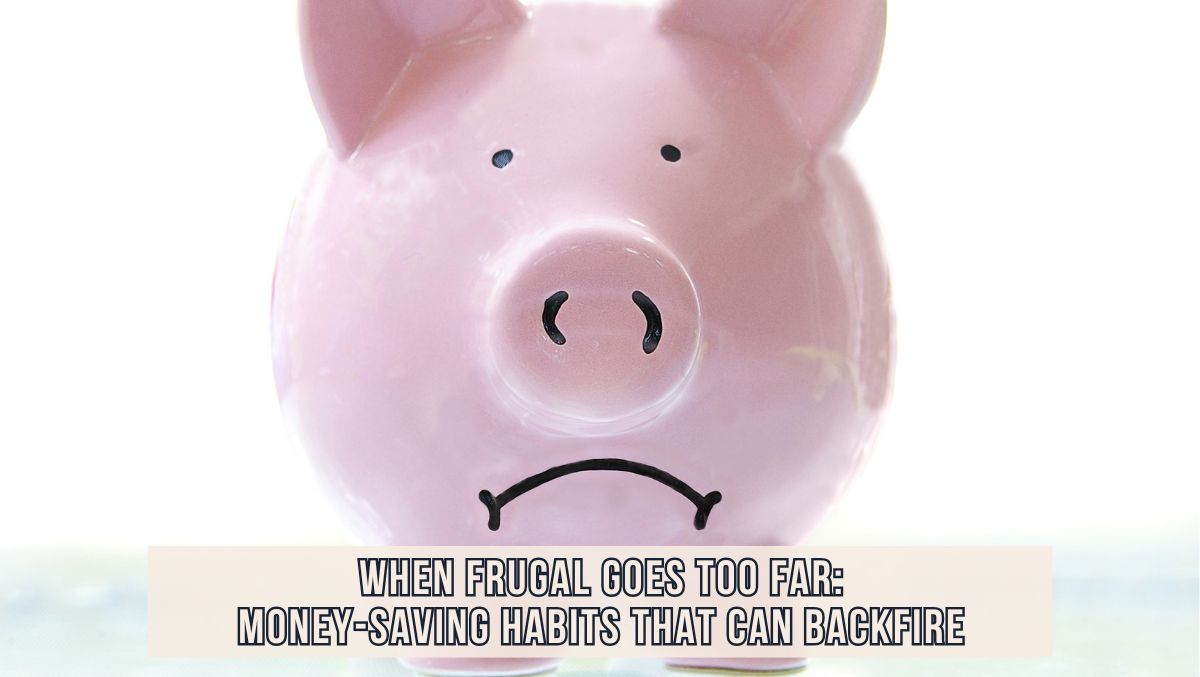
When Frugal Goes Too Far: 8 Money-Saving Habits That Can Backfire
Saving money is worthwhile, but not when it costs you more somewhere else.
About The Dollar Stretcher
The Dollar Stretcher shares practical ways to lower everyday costs, build steadier money habits and move from stuck to stable on a tight budget.
Learn more about how we can help you.